
Why Bathtubs Need Different Cleaning Than Showers
Bathtubs face a unique combination of challenges: a flat horizontal surface where water pools and evaporates (leaving hard water deposits), soap and body oil residue that accumulates as a ring at the water line, mildew in the corners and around the caulk, and wear and tear from daily use. Unlike shower walls, you can't just rinse a bathtub quickly after use — the tub stays in contact with residue for as long as the water drains and then dries.
As cleaning professionals, we treat bathtub cleaning as a methodical process tailored to the tub material. Porcelain (older tubs) can handle stronger treatments. Acrylic and fiberglass (most modern tubs) are softer and can be scratched or dulled by abrasives. Using the wrong method on the wrong material permanently damages the tub — and replacement costs hundreds to thousands of dollars.
This guide covers the complete method for each major tub material, plus the techniques that work regardless of what your tub is made of.
What You'll Need
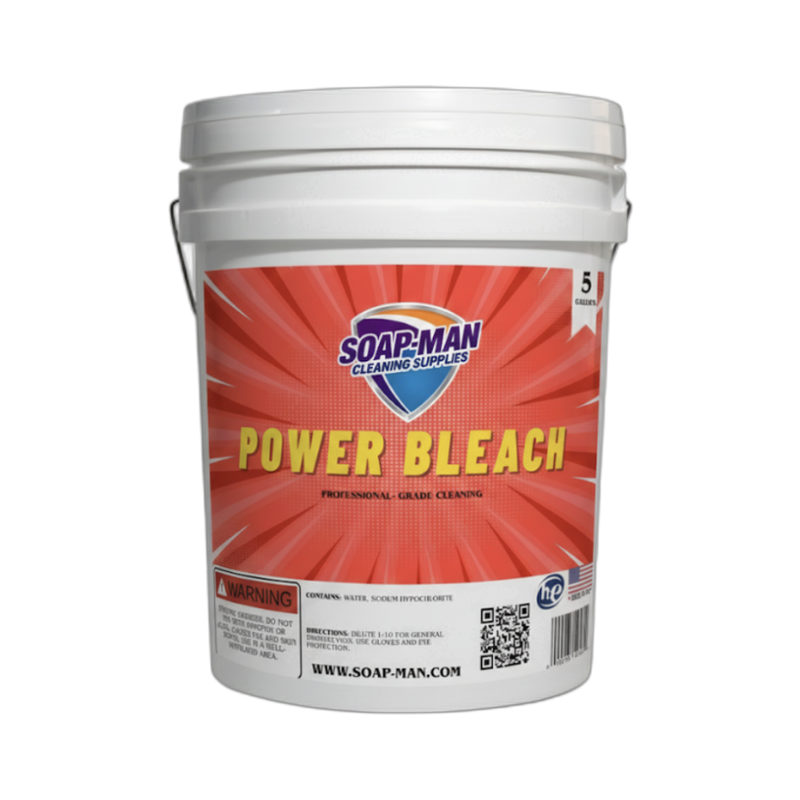
- Professional bleach — Soap-Man Power Bleach diluted for mildew and stain removal, especially in grout lines and corners.
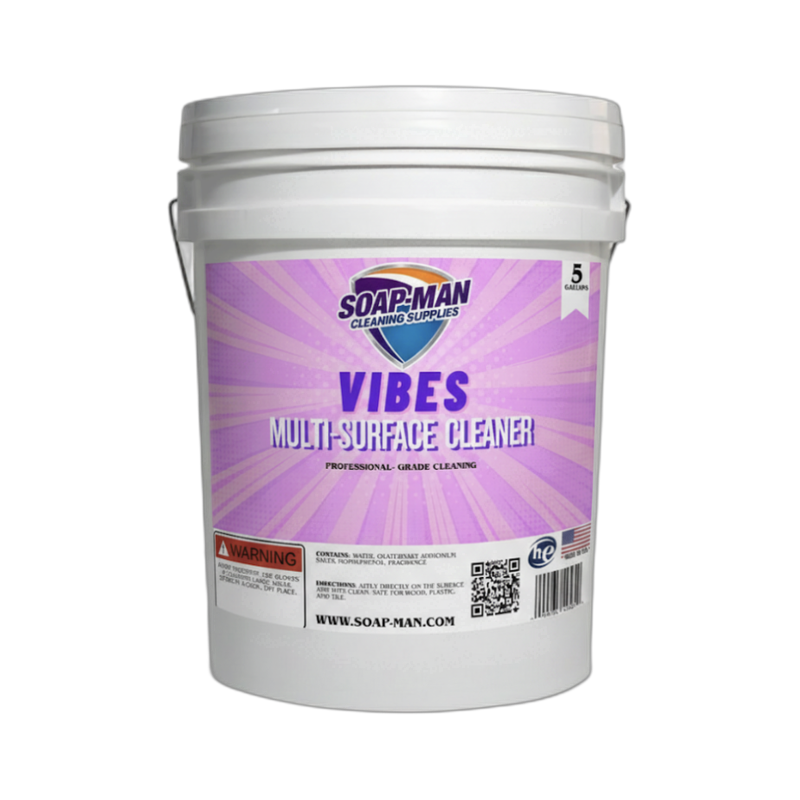
- Multi-surface cleaner — Vibes Multi-Surface Cleaner for daily and weekly tub cleaning. Safe on all tub materials.
- Baking soda — A gentle abrasive that's safe on all tub types.
- White distilled vinegar — For hard water and soap scum on non-natural stone tubs.
- Soft cleaning cloth or non-scratch sponge — The abrasive side is acceptable for porcelain; use only the soft side for acrylic and fiberglass.
- Toothbrush or detail brush — For corners, drain rings, and caulk lines.
- Plastic or silicone scraper — For stubborn buildup that won't wipe away (careful on soft materials).
- Microfiber cloths for drying
- Rubber gloves
Identify Your Tub Material First
Before you clean, know what you're dealing with. Tap the side of the tub. Porcelain (cast iron or steel with porcelain enamel) has a solid, heavy sound. Acrylic has a lighter, slightly hollow sound and may feel warmer to the touch. Fiberglass feels plasticky and can flex slightly when pressed. If in doubt, check your home's records or ask your plumber.
- Porcelain/cast iron: Durable, can handle most cleaners including mild abrasives.
- Acrylic: Soft, scratches easily, can be damaged by harsh chemicals and abrasives.
- Fiberglass: Similar to acrylic — soft and scratch-prone.
Step-by-Step Method
Step 1: Rinse the Tub
Rinse the entire tub with hot water. This warms the surface (cleaners work better on warm surfaces), softens loose grime, and gives you a clean starting point. Use the showerhead or a bucket.
Step 2: Apply Cleaner Generously
For all tub types, spray Vibes Multi-Surface Cleaner over all surfaces. Let it dwell for 5-10 minutes. This dwell time is where the product breaks down soap scum, body oils, and surface grime. Rushing this step means scrubbing twice as hard.
For tubs with mildew in corners or around the drain, use a diluted bleach solution (1 part Power Bleach to 10 parts water) on those specific areas. Bleach is necessary for killing mildew — regular cleaners only remove surface growth but don't kill the spores.
Step 3: Scrub the Tub Surface
For porcelain tubs: Use a non-scratch scrubbing pad or the abrasive side of a soft sponge. Work in circular motions, covering every surface. Porcelain is durable enough to handle firm pressure.
For acrylic or fiberglass tubs: Use only the soft side of the sponge or a soft cloth. Abrasive pads will scratch the surface permanently, creating rough spots where future grime bonds harder. Use more product and longer dwell time instead of harder scrubbing.
Step 4: Treat the Waterline Ring
The ring of soap scum and body oil residue at the normal water line needs extra attention. Make a paste of baking soda and a small amount of dish soap or cleaner. Apply to the ring, let sit 5 minutes, then scrub gently with a cloth or soft sponge. For stubborn rings, repeat the treatment rather than applying harder pressure.
Step 5: Clean Around the Drain
The drain and the area around it collect hair, soap scum, and mineral deposits. Remove the drain cover (most unscrew or lift off). Clean any hair or debris. Spray cleaner into and around the drain area, then scrub with a toothbrush. For mineral buildup on the drain ring, let vinegar soak for 15 minutes before scrubbing (only on porcelain — check acrylic/fiberglass manufacturer guidelines).
Step 6: Scrub the Caulk Lines
The caulk line where the tub meets the wall is the most common location for black mildew growth. Apply diluted bleach with a toothbrush directly to the caulk. Let sit 10 minutes, then scrub. For severe mildew that won't come out, the caulk itself may need to be removed and replaced — it's an easy DIY job. Keep the area ventilated.
Step 7: Rinse Thoroughly
Rinse the entire tub with hot water. Make sure no cleaning product residue remains — residue attracts dirt and can leave a dull film on acrylic and fiberglass. For bleach-treated areas, rinse multiple times and check for any smell.
Step 8: Dry the Tub
Wipe the tub dry with a microfiber cloth. Drying prevents new hard water spots from forming and significantly slows mildew regrowth. It also leaves a streak-free finish.
Pro Tips
- Rinse and wipe after every bath. A 60-second post-bath rinse and wipe prevents almost all soap scum and hard water buildup. This is the single biggest factor in how often you need to do a deep clean.
- Use mild cleaners regularly rather than harsh cleaners rarely. Gentle weekly cleaning is better for any tub material than aggressive monthly cleaning. You extend the life of the tub and avoid damage.
- Open a window or run the fan. Ventilation reduces humidity, which slows mildew regrowth. Combined with post-bath drying, you can cut mildew problems by 80%.
- Replace moldy caulk. Once mildew has penetrated caulk, no amount of cleaning fully removes it. Remove the old caulk (takes 20 minutes with a utility knife) and apply fresh mold-resistant bathroom caulk. The tub looks new again.
Common Mistakes
Using Abrasive Cleaners on Acrylic or Fiberglass
Products like Comet, Ajax, or abrasive powders will scratch the surface of acrylic and fiberglass tubs permanently. Even "mildly abrasive" products are too harsh. Once scratched, the surface looks dull and grabs dirt harder in the scratched areas. Only use soft cloths and non-abrasive cleaners on these materials.
Ignoring the Caulk Line
The caulk line is the first place mildew shows up in most bathtubs. Skipping it means you're cleaning around a mildew source that will re-contaminate the tub. Scrub caulk every cleaning, and replace it when mildew has taken hold.
Not Rinsing Enough After Bleach
Residual bleach on the tub can cause skin irritation during the next bath, and its smell can linger for days. Always rinse thoroughly with fresh water multiple times after using any bleach product, and let the tub air out.
Mixing Cleaners
The bathroom is the #1 location for accidental cleaner mixing. Bleach + ammonia + acid combinations create toxic gases in small enclosed spaces. Use one product at a time, rinse thoroughly between products, and keep the room ventilated throughout.
Frequently Asked Questions
How often should I clean my bathtub?
Quick rinse and wipe after every use, deep cleaning once a week for daily-use tubs, and full deep cleaning with mildew treatment every 2-4 weeks. Infrequently-used guest bathroom tubs need cleaning monthly at minimum to prevent dust and mildew.
What's the best way to remove a stubborn bathtub ring?
A baking soda and vinegar paste (warning: foams actively). Apply to the ring, let sit 15 minutes, then scrub gently. For acrylic or fiberglass, skip the vinegar and use baking soda mixed with dish soap. Repeat treatments work better than aggressive scrubbing.
Can I use Magic Eraser on my bathtub?
Magic Eraser (melamine foam) can be used on porcelain but is too abrasive for acrylic and fiberglass — it will dull the finish. If you do use it, apply light pressure and test in an inconspicuous area first.
How do I prevent soap scum from building up?
Use bar soap less (it creates more scum than liquid body wash), wipe the tub after each bath, run the exhaust fan during and after baths, and do a weekly cleaning. A daily shower spray product can also prevent buildup if used consistently.
My fiberglass tub is yellowing. Can I fix it?
Light yellowing from age can sometimes be reduced with a paste of baking soda and hydrogen peroxide applied for 30 minutes, then rinsed. Heavy yellowing from chemical damage or age is usually permanent — refinishing services can restore the color, typically for a few hundred dollars, which beats replacement cost.