
Why Grout Gets Dirty (And Why It's So Hard to Clean)
As cleaning professionals, we hear the same question from every client with tile: "Why does the grout always look dirty even when the tile looks fine?" The answer is in the material itself. Grout is a porous, cementitious material — essentially a dense paste of cement, sand, and water. Unlike the smooth, glazed surface of ceramic or porcelain tile, grout's rough, porous texture absorbs moisture, dirt, oils, soap residue, and bacteria like a sponge.
In bathrooms, mold and mildew thrive in grout because it stays damp and provides a textured surface for spores to grip. In kitchens, cooking grease, food splashes, and foot traffic grind dirt into the porous surface. On floors, every footstep pushes dirt deeper into the grout lines. Regular tile cleaning — mopping the surface — misses the grout entirely because the mop pad rides across the tile and barely touches the recessed grout lines.
The good news: even severely discolored grout can usually be restored to near-original condition with the right approach and enough patience. The key is matching the cleaning method to the severity of the stain and the type of grout you have.
Before You Start: Know Your Grout Type
Sanded Grout
The most common type, used in joints wider than 1/8 inch. The sand gives it strength and texture. It's durable but highly porous and absorbs stains readily. Most of this guide focuses on sanded grout.
Unsanded Grout
Used in thin joints (1/8 inch or less), common in wall tile, backsplashes, and stone installations. Smoother than sanded grout but still porous. Clean gently — the lack of sand makes it less resistant to aggressive scrubbing.
Epoxy Grout
Made from epoxy resin rather than cement. It's essentially non-porous, doesn't absorb stains, and resists mold and mildew. If your grout is epoxy, you won the grout lottery — daily cleaning with any mild cleaner is usually all it needs. Avoid acid-based cleaners, which can damage the epoxy surface.
Sealed Grout
Cementitious grout (sanded or unsanded) that has been treated with a penetrating sealer. Sealer fills the pores and reduces absorption, making the grout more stain-resistant. If your grout was sealed, it will be easier to clean. Check by dripping water on the grout — if it beads up, the sealer is intact. If it absorbs into the grout, the sealer has worn off and needs to be reapplied after cleaning.
What You'll Need
- Stiff nylon-bristle grout brush (small, pointed brush designed for grout lines)
- Old toothbrush (for corners, edges, and tight spots)
- Baking soda
- Hydrogen peroxide (3% concentration, standard pharmacy strength)
- White vinegar
- Spray bottle
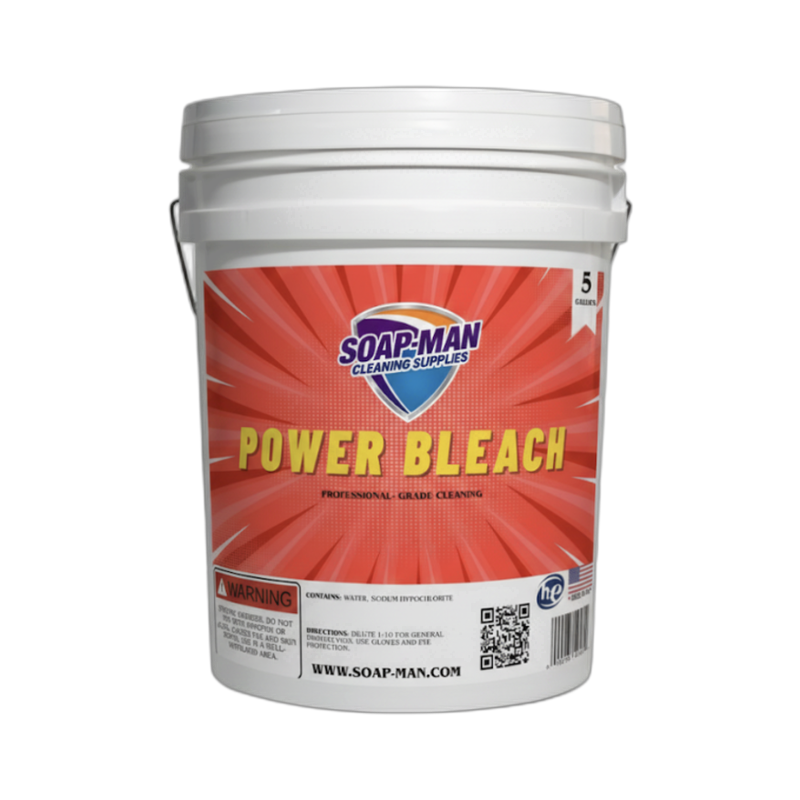
- Commercial-grade bleach solution (for mold and heavy staining)
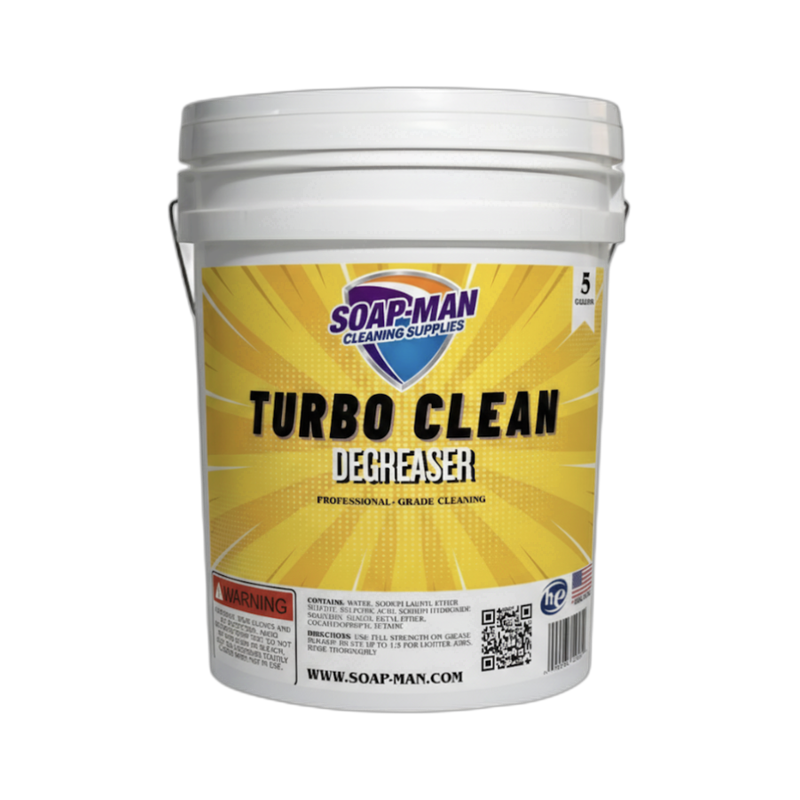
- Commercial degreaser (for kitchen grout)
- Rubber gloves
- Safety glasses (especially when working overhead or with bleach)
- Knee pads (you'll thank us later)
- Microfiber cloths
- Bucket of clean water for rinsing
- Towels for drying
Method 1: Baking Soda Paste (Light to Moderate Stains)
Start here. This is the gentlest effective method and handles the majority of grout cleaning jobs.
Step 1: Pre-Clean the Area
Sweep, vacuum, or wipe the tile and grout area to remove loose dirt and debris. You want the cleaning solution working on embedded stains, not wasting its energy on surface-level dirt.
Step 2: Make the Paste
Mix baking soda with water to form a thick paste — the consistency of toothpaste. For moderate stains, substitute hydrogen peroxide for the water. The peroxide adds an oxidizing agent that brightens discolored grout. For a standard bathroom or kitchen, you'll need about one cup of baking soda and 2-3 tablespoons of liquid.
Step 3: Apply to Grout Lines
Using your fingers (gloved) or the grout brush, press the paste into the grout lines. Cover all the grout you intend to clean. Push the paste into the pores of the grout — a light surface coating won't reach the embedded stains. Work in manageable sections (about 3-4 square feet at a time) so the paste doesn't dry out before you scrub it.
Step 4: Spray with Vinegar (Optional Boost)
Spray white vinegar over the baking soda paste. The fizzing reaction helps lift stains from the grout pores. Let the mixture fizz and work for 5-10 minutes. Note: skip the vinegar if you have natural stone tile (marble, limestone, travertine) — the acid etches stone. For stone tile installations, use only the baking soda and water or peroxide paste.
Step 5: Scrub with a Grout Brush
Using your stiff nylon grout brush, scrub along the grout lines in firm, short strokes. The brush shape matters — a pointed or narrow head follows the grout line better than a wide brush. Apply consistent pressure. You're not trying to erode the grout with force — you're agitating the cleaning paste into the pores to dissolve and lift the stain.
Work section by section. Don't let the paste dry on the tile before you scrub and rinse — dried baking soda leaves a hazy residue that's annoying to remove.
Step 6: Rinse and Dry
Wipe the section with a cloth dampened in clean water to remove the paste and dissolved stains. Rinse the cloth frequently. Follow with a dry cloth or towel. Inspect the grout while it's wet — the color when wet is close to the true clean color. If you're satisfied, move to the next section. If the stain remains, move to Method 2.
Method 2: Hydrogen Peroxide and Baking Soda (Moderate to Heavy Stains)
This method ramps up the oxidizing power for more stubborn discoloration.
Step 1: Mix a Stronger Paste
Combine 3/4 cup baking soda, 1/4 cup hydrogen peroxide (3%), and 1 tablespoon of dish soap. The dish soap adds surfactant action that helps the mixture penetrate grease and soap buildup. Mix thoroughly until you get a smooth, creamy paste.
Step 2: Apply and Dwell
Apply the paste to the grout lines and let it sit for 15-20 minutes. The extended dwell time gives the peroxide time to oxidize deeply embedded stains. For shower grout with mildew, extend the dwell to 30 minutes.
Step 3: Scrub, Rinse, Evaluate
Scrub with the grout brush, rinse with clean water, and dry. If the grout is significantly improved but not fully clean, repeat this method — a second application often finishes what the first started. If the stain persists after two applications, the discoloration is likely biological (mold/mildew) or has penetrated deeply enough to require bleach or professional treatment.
Method 3: Bleach Solution (Heavy Stains, Mold, and Mildew)
When baking soda and peroxide aren't enough, diluted bleach is the most effective option for heavily stained, moldy, or mildewed grout. Use this method selectively — bleach is powerful but also harsh on grout over time.
Important Safety Precautions
- Ventilate the area — open windows, run the exhaust fan, use a portable fan if needed
- Wear rubber gloves and safety glasses
- Never mix bleach with any other cleaning product, especially ammonia or vinegar
- Protect colored grout and colored tile — bleach can discolor non-white surfaces
- Test on an inconspicuous area first
Step 1: Prepare the Solution
Dilute commercial-grade bleach at a ratio of 1 part bleach to 10 parts water for general cleaning, or 1:5 for heavy mold. For spot treatment of small areas, you can apply the solution directly from a spray bottle. For larger areas, work in sections.
Step 2: Apply to Grout Lines
Spray or brush the bleach solution directly onto the grout lines. Avoid saturating the tile surface — focus on the grout. For heavily moldy shower grout, soak cotton balls or strips of paper towel in the bleach solution and press them directly onto the grout lines. This keeps the solution in contact with the grout for maximum dwell time.
Step 3: Dwell for 10-15 Minutes
Let the bleach work. For severe mold, extend the dwell to 20-30 minutes, re-wetting the area if it starts to dry. The bleach needs to remain in contact with the mold long enough to kill the spores and break down the dark staining.
Step 4: Scrub and Rinse Thoroughly
Scrub with the grout brush, then rinse very thoroughly with clean water. Multiple rinses are important — residual bleach continues to react with the grout and can weaken it over time. Make sure no bleach solution remains on the surface before considering the job done.
Method 4: Commercial Degreaser (Kitchen Grout)
Kitchen grout faces a different challenge than bathroom grout. Instead of mold and mildew, the primary contaminants are cooking grease, oil, and food particles. Bleach doesn't dissolve grease — you need a degreaser.
Step 1: Apply Degreaser to Grout Lines
Spray a commercial-grade degreaser directly onto the grout lines. Use a stronger dilution ratio (closer to 1:10) than you would for general surface cleaning. The alkaline chemistry of a good degreaser breaks down the grease molecules that have penetrated the porous grout.
Step 2: Dwell and Scrub
Let the degreaser work for 5-10 minutes, then scrub with the grout brush. For heavily greased kitchen floor grout (common in front of the stove and near the sink), apply the degreaser, lay a damp towel over the area, and let it dwell for 20 minutes. The towel prevents evaporation and keeps the solution active on the grout.
Step 3: Rinse and Repeat if Necessary
Rinse thoroughly and inspect. Kitchen grout often takes two applications — one to dissolve the surface grease layer and a second to reach the deeper discoloration.
How to Clean Grout in Specific Areas
Shower Floor Grout
Shower floor grout is the hardest to keep clean because it faces constant moisture, soap residue, body oils, and limited ventilation. Use Method 2 (peroxide and baking soda) for regular deep cleaning and Method 3 (bleach) when mold appears. After cleaning, improve shower ventilation: run the exhaust fan for at least 30 minutes after every shower, and squeegee the walls and floor to remove standing water.
Shower Wall Grout
Apply your cleaning paste or spray generously and let gravity work against you — the solution will slide down the wall. The cotton-ball or paper-towel method (described in Method 3, Step 2) works well for vertical applications because it holds the solution against the grout. Work from the bottom up to prevent drips from creating clean streaks through dirty grout above.
Bathroom Floor Grout
Usually a combination of soap residue, body product drips, and foot traffic. Method 1 or 2 handles most bathroom floor grout. Pay special attention to the area around the toilet base and in front of the vanity, which accumulate the most grime.
Kitchen Floor Grout
Grease is the primary culprit. Use Method 4 (degreaser) for the areas near the stove, oven, and sink. Use Method 1 or 2 for the rest of the kitchen floor. The transition between the high-grease zone and the rest of the floor is often visible — match the cleaning method to the soil type.
Kitchen Backsplash Grout
Cooking splatter on backsplash grout is usually a combination of grease and food particles. A degreaser or the peroxide paste both work well. Clean the backsplash after every deep kitchen clean — it's easy to forget but highly visible.
After Cleaning: Seal Your Grout
Cleaning grout without sealing it is like washing your car and parking it in a muddy lot. The clean grout immediately starts absorbing new stains. Sealing grout fills the pores and creates a barrier that prevents absorption.
When to Seal
- After any deep cleaning that restored the grout's original color
- After new tile installation (wait 48-72 hours for the grout to cure fully)
- Every 1-2 years as maintenance (high-traffic or wet areas may need annual resealing)
How to Seal
Wait until the grout is completely dry — at least 24 hours after cleaning. Apply a penetrating grout sealer (not a surface sealer) using the applicator provided or a small foam brush. Work the sealer into the grout lines, wipe excess off the tile surface immediately, and allow the sealer to cure according to the product instructions (usually 24-48 hours before exposing to water).
Important: sealer protects against new stains but doesn't change the color of stained grout. Clean first, then seal.
When to Regrout Instead of Cleaning
Sometimes cleaning isn't the answer. Consider regrouting when:
- Grout is cracked, crumbling, or missing in sections
- Deep staining has permanently discolored the grout despite multiple heavy-duty cleaning attempts
- Mold has penetrated so deeply that it returns within days of bleach treatment
- The grout has been cleaned so many times with harsh chemicals that it's softened and deteriorated
Regrouting involves scraping out the old grout (a rotary tool makes this much faster), cleaning the joints, and applying new grout. It's a significant job but gives you a genuinely fresh start.
Grout Cleaning Schedule
- After every shower: Squeegee walls and floor, run exhaust fan for 30 minutes
- Weekly: Spray shower grout with a daily bathroom cleaner or diluted vinegar
- Monthly: Scrub bathroom grout with baking soda paste (Method 1)
- Quarterly: Deep clean all tile grout — bathroom and kitchen (Method 2 or 3 as needed)
- Annually: Inspect sealer, reapply if needed
Frequently Asked Questions
Does Magic Eraser work on grout?
Yes, for surface-level stains. Magic Erasers (melamine sponge) work by physically abrading the surface at a microscopic level. They're effective on light grout stains and scuff marks. However, they wear down quickly when scrubbing long grout lines, making them impractical for large areas. They're also not effective on deep stains or mold that has penetrated below the grout surface. Good for small spot jobs; not a substitute for a full grout cleaning method.
Can I use a steam cleaner on grout?
Steam cleaners can be effective on grout, particularly for killing mold and loosening surface-level grime. The caveat: the steam alone doesn't dissolve grease (you still need a degreaser for kitchen grout) and excessive steam application can loosen grout that's already compromised. Use a steam cleaner with a pointed nozzle attachment that directs steam into the grout line. Follow the steam pass with a scrub brush to remove the loosened soil. Steam works best as a supplement to chemical cleaning, not a replacement.
Is it worth hiring a professional for grout cleaning?
For large tile areas (entire bathrooms, large kitchen floors, or commercial spaces), yes. Professional tile and grout cleaning uses truck-mounted hot water extraction with specialized cleaning solutions that outperform any DIY method. The heat, pressure, and suction remove deep stains that hand scrubbing can't reach. Professional cleaning typically costs $1-$3 per square foot and delivers results that would take hours of manual labor to approximate.
Will bleach damage colored grout?
Yes, bleach can lighten or discolor colored grout. For gray, tan, brown, or any tinted grout, avoid bleach entirely. Use the hydrogen peroxide method (Method 2) instead, which brightens without bleaching color. If you need something stronger, use an oxygen bleach (like OxiClean), which is color-safe and still effective against mold and mildew. Save chlorine bleach for white grout only.
How do I keep white grout white?
Three things: seal it (every 1-2 years), clean it regularly (monthly baking soda scrub at minimum), and reduce its exposure to staining agents (mats at entryways, squeegee in showers, ventilate wet areas). White grout is high-maintenance by nature — accepting this and maintaining a consistent cleaning schedule produces far better results than ignoring it for months and then attempting a rescue clean.
Can I paint grout instead of cleaning it?
Grout colorants (grout paint or grout stain) exist and work for cosmetic improvement when the grout is structurally sound but permanently discolored. Apply after thorough cleaning and drying. Epoxy-based colorants are the most durable. However, colorant is a cover-up, not a fix — it won't address mold growing inside the grout. Kill the mold first, then apply colorant if needed. For bathrooms, use a mold-resistant colorant.
Why does grout smell in the shower?
Musty or sour smells from shower grout indicate mold and mildew growing inside the porous grout material. Surface cleaning may remove the visible mold but not the root system within the grout. Use the bleach method (Method 3) with extended dwell time, then seal after the grout is completely dry and clean. Improve shower ventilation to prevent recurrence. If the smell persists after thorough treatment, the mold may have reached the substrate behind the tile, which is a more serious repair issue.