
Understanding Mold: What You're Dealing With
As cleaning professionals, we need to be direct about something: mold is not just a cleaning problem. It's a building problem and a health problem that happens to require cleaning as one part of the solution. You can scrub mold off a surface, but if you don't fix the moisture that caused it, it comes back — every single time. This guide covers how to remove mold safely and effectively, but we'll be equally clear about when you need to fix the root cause and when you need to call a professional.
Mold is a fungus that reproduces through microscopic spores that are present everywhere in the air — indoors and outdoors. These spores are harmless in normal concentrations. The problem starts when spores land on a damp surface and begin to grow. A growing mold colony produces thousands more spores per hour, filling the air with concentrations that cause health reactions in many people: respiratory irritation, allergic responses, headaches, and in people with compromised immune systems, more serious conditions.
The key fact: mold cannot grow without moisture. Every mold problem is a moisture problem. Remove the moisture, and mold cannot survive.
Before You Start: Safety Assessment
Not all mold situations are safe for DIY cleaning. Assess the scope before you start.
Safe to Handle Yourself
- Mold on hard, non-porous surfaces (tile, glass, metal, sealed countertops)
- Small areas — generally less than 10 square feet (roughly a 3x3 foot patch)
- Surface mold that hasn't penetrated the material (you can see it on the surface, it wipes off)
- Common bathroom mold and mildew on grout, caulk, and tile
- Mold on painted walls where the drywall underneath is still solid and dry
Call a Professional
- Mold covering more than 10 square feet
- Mold inside HVAC systems or ductwork
- Mold caused by sewage or contaminated water
- Mold behind walls, under floors, or in other concealed spaces
- Mold on porous materials that are saturated (wet drywall, soaked insulation, carpet padding)
- Any situation where you suspect structural damage from prolonged moisture exposure
- Household members with severe mold allergies, asthma, or immune system conditions
The 10-square-foot guideline comes from the EPA. Beyond that size, the spore load during removal can overwhelm standard protective equipment and spread contamination to clean areas of the building. Professional mold remediation companies use containment barriers, negative air pressure, and HEPA filtration to prevent this.
What You'll Need
Personal Protective Equipment (Non-Negotiable)
- N95 respirator mask (not a surgical mask or cloth mask — those don't filter mold spores)
- Safety goggles (sealed, not vented safety glasses)
- Rubber or nitrile gloves extending to mid-forearm
- Long sleeves and long pants you can wash immediately after
Mold spores are inhaled and can contact eyes and skin. The protective equipment isn't optional, even for small jobs. Disturbing mold during cleaning releases a burst of spores into the air — you'll breathe them in without a respirator.
Cleaning Supplies
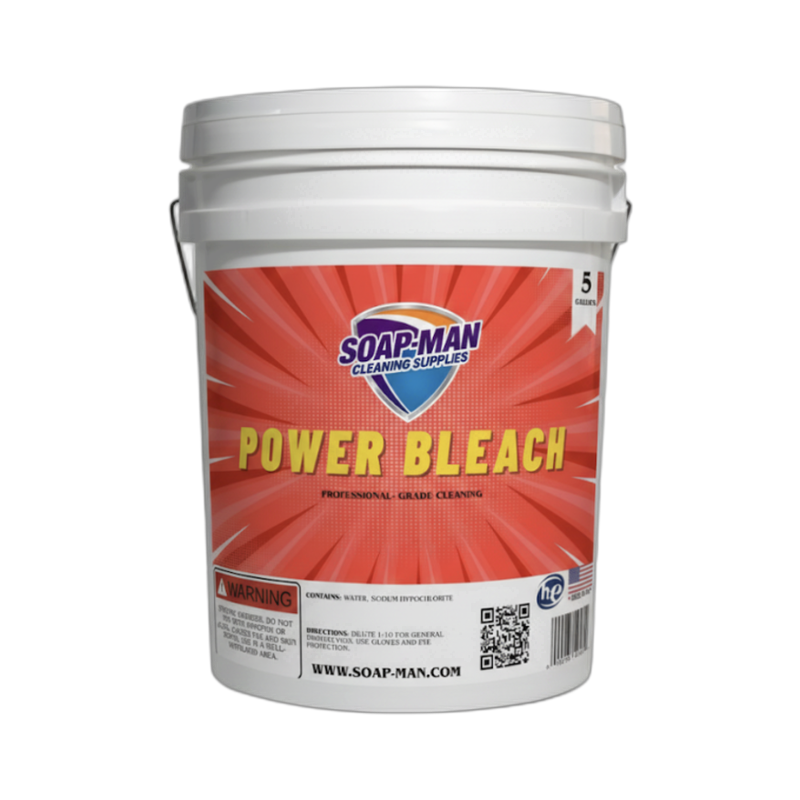
- Commercial-grade bleach solution (sodium hypochlorite)
- Hydrogen peroxide (3% for surface cleaning, or commercial mold-rated concentrations)
- White vinegar (undiluted)
- Baking soda
- Dish soap
- Spray bottles (two — one for cleaner, one for rinse water)
- Stiff nylon-bristle scrub brush
- Microfiber cloths (designate these for mold cleanup only — dispose of or bleach after use)
- Trash bags (heavy-duty, for contaminated materials)
- Plastic sheeting and painter's tape (if working near clean areas you want to protect)
- Fan directed outward through a window (to ventilate the space during cleaning)
How to Remove Mold from Common Surfaces
Bathroom Tile and Grout
This is the most common mold location. The combination of constant moisture, warm temperatures, and porous grout creates ideal growing conditions.
Step 1: Ventilate. Open the window and run the exhaust fan. If there's no window, set up a fan pointing toward the door to move air out of the space.
Step 2: Prepare bleach solution. Mix 1 part bleach to 10 parts water for general mold cleaning. For heavy mold, use 1:5. Alternatively, spray undiluted white vinegar — vinegar kills about 82% of mold species and is effective for mild to moderate growth.
Step 3: Spray the affected area generously. Saturate the mold — don't spray lightly. The solution needs to penetrate the mold colony, not just dampen the surface.
Step 4: Let it dwell. For bleach: 10-15 minutes. For vinegar: 30-60 minutes. This dwell time is critical. The killing agent needs sustained contact with the mold to penetrate the root structure (hyphae) that extends into the grout or caulk.
Step 5: Scrub with a stiff brush. Work the brush into the grout lines and textured surfaces. For tile, scrub across the surface firmly. The physical scrubbing removes the dead mold colony — the chemical kills it, the brush removes it.
Step 6: Rinse thoroughly. Wipe or spray with clean water to remove all cleaning solution and loosened mold. Don't leave bleach residue on the surface — it continues reacting with the grout.
Step 7: Dry completely. Wipe down with dry cloths and keep the ventilation running until the area is bone dry. Mold returns to damp surfaces within 24-48 hours. Thorough drying is part of the cleaning, not an afterthought.
Shower Caulk and Silicone Sealant
Mold grows on the surface of caulk and also inside it. If the mold is only on the surface (it wipes off), clean it using the method above. If the mold has penetrated into the caulk (dark staining visible inside the material that won't scrub off), the only effective solution is removing and replacing the caulk.
To replace: cut the old caulk out with a utility knife or caulk removal tool. Clean the joint with bleach solution, let it dry completely (24 hours), then apply new mold-resistant silicone caulk. Use caulk labeled "mold-resistant" or "mildew-resistant" — it contains antimicrobial additives that slow mold growth.
Painted Walls and Ceilings
Mold on painted surfaces is usually treatable if the drywall underneath is still solid and dry. Press your finger into the wall — if it feels soft, spongy, or gives way, the drywall is water-damaged and needs to be cut out and replaced. If the wall feels firm, proceed with surface cleaning.
Step 1: Mix 1 part bleach to 10 parts water, or use undiluted vinegar.
Step 2: Spray the moldy area and a 12-inch perimeter around it (mold often extends beyond the visible boundary). Let it dwell for 15 minutes.
Step 3: Wipe firmly with a microfiber cloth. Don't scrub aggressively on flat latex paint — heavy scrubbing can remove the paint finish. If the mold doesn't come off with moderate wiping, it has likely penetrated through the paint into the drywall beneath.
Step 4: Rinse with a cloth dampened in clean water and dry thoroughly.
Step 5: Once dry, check if staining remains. If the mold is dead but left a ghost stain on the paint, apply a stain-blocking primer (like Zinsser mold-killing primer) and repaint. The primer seals the stain and contains antimicrobial agents that resist future mold growth on the painted surface.
Wood Surfaces (Studs, Trim, Shelving, Furniture)
Mold on wood requires extra care because wood is porous and absorbs moisture deeply. Surface mold on finished (sealed, painted, or varnished) wood can be cleaned with the bleach or vinegar method. Mold on unfinished wood is more challenging because the hyphae penetrate into the wood grain.
For surface mold on finished wood: Wipe with a cloth dampened in bleach solution (1:10), let it sit for 10 minutes, wipe clean, and dry immediately. Don't saturate the wood — excessive moisture causes swelling and warping.
For mold on unfinished wood: Scrub the surface with a solution of 1 tablespoon dish soap plus 1/2 cup bleach per gallon of water. Let it dry completely in sunlight if possible (UV kills mold spores). If the mold has penetrated deeply (the wood is discolored even after cleaning), sand the surface with 100-grit sandpaper to remove the affected layer. Wipe with a damp cloth, let it dry, then seal the wood to prevent future penetration.
When to discard: If wood is soft, crumbly, or structurally weakened by prolonged moisture and mold exposure, it cannot be saved. This is common with particleboard, MDF, and OSB, which absorb water readily and lose structural integrity when wet.
Drywall
Drywall (gypsum board) is the most problematic material for mold because it's highly porous and provides food (paper facing) and absorption capacity. Surface cleaning works only when the mold is limited to the paint layer and the drywall itself is still dry and firm.
If the drywall is wet, soft, or if mold has penetrated through the paint into the paper facing, the affected drywall must be cut out and replaced. Cut 12-24 inches beyond the visible mold boundary (mold often grows inside the wall before it shows on the surface). This is not optional — cleaning moldy drywall is a temporary measure at best. The mold root system inside the porous material will regrow.
Concrete and Masonry
Basement walls, concrete floors, and masonry surfaces develop mold when moisture wicks through the material or when condensation forms on cold surfaces. Concrete itself doesn't feed mold, but dust, dirt, and organic material on the surface do.
Clean with a bleach solution (1:5 for concrete) and a stiff brush. The rough texture of concrete requires aggressive scrubbing. Rinse thoroughly with clean water. For large basement areas, a pressure washer is faster and more effective. After cleaning, address the moisture source — apply waterproof coating, improve drainage, install a dehumidifier, or insulate cold walls to prevent condensation.
Fabric and Upholstery
Mold on fabric is difficult to fully remove because the fibers are porous and provide food (organic material) for mold growth. Machine-washable items: wash in hot water with bleach (for whites) or oxygen bleach (for colors) and dry completely. If the item still smells musty after washing, the mold has penetrated the fibers — wash again with vinegar or oxygen bleach.
Upholstered furniture with extensive mold is usually not worth saving. The mold grows inside the padding, which you can't clean effectively. For small spots on upholstery, scrub with a mixture of rubbing alcohol and water (1:1), then dry thoroughly in direct sunlight.
The Bleach vs. Vinegar Debate
There's ongoing debate about whether bleach or vinegar is better for mold removal. Here's the practical answer, based on our professional experience.
When to Use Bleach
- Non-porous surfaces: tile, glass, bathtubs, sealed countertops, metal
- Heavy mold infestations where you need maximum killing power
- When disinfection (killing all organisms) is the goal, not just mold removal
- White grout where you want the bleaching (whitening) effect
When to Use Vinegar
- Porous surfaces: unsealed wood, concrete, drywall (where the drywall will be kept)
- Moderate mold on surfaces that bleach might damage or discolor
- Households with chemical sensitivities or respiratory issues where bleach fumes are problematic
- Regular maintenance cleaning to prevent mold growth
The Science
Bleach (sodium hypochlorite) kills mold on contact on non-porous surfaces. On porous surfaces, bleach's chlorine component cannot penetrate — it stays on the surface while the water component soaks in, potentially feeding deeper mold growth. This is why you sometimes see mold return quickly after bleaching porous materials.
Vinegar (acetic acid) is a milder killing agent but penetrates porous materials more effectively. It kills approximately 82% of mold species. It's slower-acting but more effective on porous surfaces in the long run.
Our recommendation: Use bleach on hard, non-porous surfaces where it excels. Use vinegar on porous surfaces where bleach's limitations matter. Never mix them together — the combination produces toxic chlorine gas.
Preventing Mold: The Only Long-Term Solution
Cleaning mold without addressing the cause is a losing battle. Here's how to prevent it from returning.
Control Moisture
This is 90% of mold prevention. Every moisture source in your building is a potential mold source.
- Fix leaks immediately. A dripping pipe, a roof leak, a window that lets in rain — fix it the same day if possible. Mold can begin growing on a wet surface within 24-48 hours.
- Ventilate wet spaces. Run the bathroom exhaust fan for a minimum of 30 minutes after every shower. Ensure the fan actually vents outside, not into the attic (a shockingly common building mistake).
- Maintain humidity below 60%. Ideally between 30-50%. A hygrometer costs $10 and tells you exactly where you stand. If humidity is consistently high, a dehumidifier is a far cheaper investment than mold remediation.
- Don't let water sit. Squeegee shower walls after use. Wipe down windowsills that collect condensation. Mop up spills immediately. Don't leave wet towels in piles.
- Improve air circulation. Stagnant air allows moisture to accumulate on surfaces. Open doors between rooms, use ceiling fans, and ensure furniture isn't pushed flat against exterior walls (leave a 2-3 inch gap for airflow).
Address Condensation
Condensation forms when warm, moist air contacts a cold surface. This is why mold appears on exterior walls, around windows, and on cold water pipes. Solutions include:
- Insulating cold water pipes
- Improving wall insulation
- Using double-pane or insulated windows
- Running a dehumidifier in basement and below-grade spaces
- Keeping interior temperatures consistent rather than letting rooms get cold
Use Mold-Resistant Materials
When renovating or repairing mold-damaged areas, replace with mold-resistant alternatives:
- Mold-resistant drywall (fiberglass-faced instead of paper-faced) in bathrooms and basements
- Mold-resistant paint with antimicrobial additives
- Mold-resistant caulk in wet areas
- Ceramic or porcelain tile instead of organic materials in high-moisture areas
- Epoxy grout instead of cementitious grout in showers
Establish a Cleaning Routine
Regular cleaning prevents mold from establishing itself. A weekly spray of diluted vinegar or bathroom cleaner on shower surfaces, grout, and around the toilet keeps mold spores from gaining a foothold. It takes 30 seconds and prevents hours of deep cleaning later.
Mold Myths: What Doesn't Work
Myth: Painting Over Mold Kills It
No. Paint does not kill mold. Painting over active mold traps moisture and gives the colony a dark, undisturbed environment to grow. The mold will eat through the paint from below and reappear, usually worse than before. Always clean and completely dry the surface before repainting, and use a mold-killing primer.
Myth: You Can Tell if Mold is Dangerous by Its Color
The color of mold (black, green, white, pink, orange) does not indicate its toxicity. "Black mold" (Stachybotrys chartarum) gets the most media attention, but many black-colored molds are harmless, and some lighter-colored molds produce mycotoxins. All indoor mold growth should be removed regardless of color. If you're concerned about mold species identification, a professional can take samples for laboratory analysis.
Myth: Bleach Removes Mold Permanently
Bleach kills surface mold on non-porous materials. It does not prevent mold from returning if moisture is still present. Within days or weeks, new spores (which are always present in the air) will land on the damp surface and start a new colony. Cleaning is step one. Moisture control is the permanent fix.
Myth: A Little Mold is Fine
A small amount of mold is not a crisis, but it is a warning sign. It means conditions are right for mold growth, and the problem will expand. Address it early while it's a 15-minute cleaning job rather than waiting until it's a multi-thousand-dollar remediation project.
Myth: Mold Only Grows in Bathrooms
Mold grows anywhere moisture accumulates: behind refrigerators, under kitchen sinks, around window frames, inside closets on exterior walls, in basements, in laundry rooms, behind drywall near plumbing, in attics with poor ventilation, and around HVAC units with condensation. Check these areas periodically, especially if you notice musty smells.
When Mold Comes Back: Troubleshooting Recurring Growth
If mold returns to the same spot after cleaning, the moisture source hasn't been resolved. Investigate systematically:
- Shower grout/caulk: Exhaust fan undersized, not running long enough, or not vented to the exterior. Shower door or curtain not containing splash. Grout needs resealing.
- Ceiling corners: Insufficient insulation causing condensation. Roof leak above.
- Window frames and sills: Condensation from poor insulation or single-pane windows. Window seal failure.
- Basement walls: Groundwater seepage, inadequate drainage, or foundation cracks. Humid air condensing on cold walls.
- Under-sink cabinets: Slow plumbing leak. Even a very slight drip creates enough moisture for mold.
- Closets on exterior walls: Air circulation blocked by tightly packed clothing. Cold wall surface creating condensation.
For any recurring mold problem you can't trace to a visible moisture source, a moisture meter (available for under $30) can detect elevated moisture levels in walls, floors, and ceilings without destructive investigation. Point the meter at the moldy area and surrounding areas to find where the moisture concentration is highest — that's where the source is.
Frequently Asked Questions
Is all mold dangerous?
Not all mold is equally harmful, but all indoor mold growth is problematic. At minimum, mold releases spores that irritate the respiratory system and trigger allergic reactions in sensitized individuals. Some mold species produce mycotoxins that cause more serious health effects with prolonged exposure. The specific health risk depends on the mold species, the concentration of spores, the duration of exposure, and the individual's health. Rather than trying to identify whether your mold is "dangerous," treat all indoor mold growth as something that needs to be removed and prevented.
Does tea tree oil kill mold?
Tea tree oil has antifungal properties and kills some mold species. Mix 1 teaspoon of tea tree oil per cup of water in a spray bottle, apply to the mold, and let it dry without rinsing. It's effective on small areas of surface mold. However, it's expensive at scale, works slowly, and hasn't been validated to the same degree as bleach or commercial mold-killing products. It's a reasonable option for people who are sensitive to bleach fumes and are treating a small, mild mold problem.
Should I test my home for mold?
If you can see mold, you don't need a test to confirm it. Clean it. Testing becomes useful when you suspect hidden mold (musty smell but no visible growth), when you need to identify the species for health or insurance purposes, or after professional remediation to confirm the problem is resolved. Air quality testing by a certified indoor environmental professional (IEP) costs $300-$600 and provides actionable data. Home test kits from hardware stores are unreliable and often produce false positives because mold spores are always present in the air.
How quickly can mold make you sick?
Acute reactions — sneezing, coughing, eye irritation, nasal congestion — can occur within minutes of exposure in sensitized individuals. For people without specific mold sensitivities, symptoms may develop over weeks or months of ongoing exposure. The severity depends on the mold species, spore concentration, ventilation, and individual susceptibility. Children, elderly people, and those with asthma or compromised immune systems are most vulnerable. If household members develop unexplained respiratory symptoms, check for hidden mold growth.
Can mold grow behind tile?
Yes, and this is a common hidden mold problem. If the waterproof membrane behind the tile is compromised (cracked grout, failed caulk, damaged backer board), water penetrates behind the tile and stays there. The dark, damp space between the tile and the wall studs is an ideal mold environment. Signs of mold behind tile: persistent musty smell in the bathroom even after cleaning, tiles that feel loose or hollow, visible mold on grout that returns within days of cleaning, and water stains or soft spots on the wall on the other side of the tiled surface.
Will a dehumidifier get rid of mold?
A dehumidifier won't kill existing mold, but it creates an environment where mold can't grow. By reducing humidity below 50%, you starve existing mold colonies and prevent new ones from establishing. A dehumidifier is one of the most effective investments for basements, bathrooms without exterior ventilation, and any space where humidity consistently exceeds 60%. Clean the existing mold first, then run the dehumidifier to prevent recurrence.
Is it safe to stay in a house with mold?
For most healthy adults, small areas of mold (less than 10 square feet) in a well-ventilated home are not an immediate health emergency. You can live in the house while addressing the problem. However, if anyone in the household has asthma, severe allergies, or immune system conditions, they should avoid the affected area until remediation is complete. For large-scale mold infestations — covering significant wall areas, in HVAC systems, or behind walls — professional assessment is warranted, and temporary relocation may be recommended during remediation.