
Why Your Blender Needs More Than a Quick Rinse
Blenders are deceptively hard to clean. The blade assembly traps food in places you can't see, the rubber gasket collects residue, and smoothie remnants dry into cement if you leave them even an hour. Most people either rinse and call it done (leaving bacteria to multiply) or avoid cleaning the blade area entirely because they're afraid of cutting themselves. Neither approach works.
The good news is that cleaning a blender properly takes about 60 seconds if you do it right after using it — and about 10 minutes if you let it sit. This guide covers both scenarios, plus how to deep clean a blender that's developed odors or discoloration from months of neglect.
What You'll Need
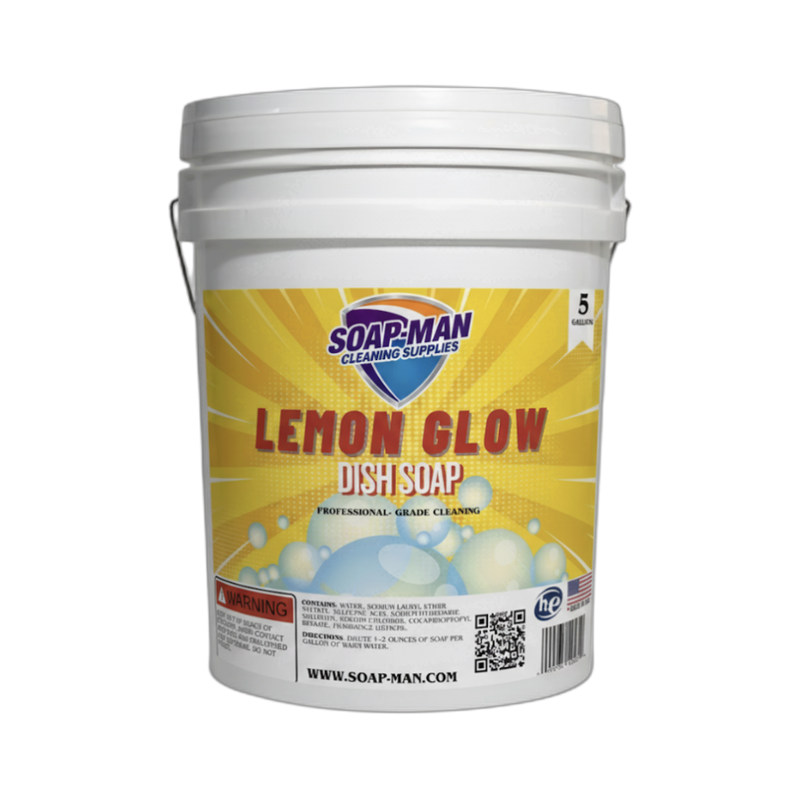
- Dish soap — Lemon Glow Dish Soap cuts through fruit sugars, protein residue, and oils that cling to blender walls.
- Warm water
- White vinegar — for deodorizing and removing mineral deposits.
- Baking soda — for stubborn stains and odors.
- A bottle brush or soft sponge
- A small brush or old toothbrush — for cleaning around blade assemblies and gaskets.
- A dry towel
Step-by-Step: How to Clean a Blender
Step 1: Rinse Immediately After Use
The single most effective blender cleaning habit is rinsing immediately. As soon as you pour out your smoothie, soup, or sauce, fill the blender jar halfway with warm water and add a drop of Lemon Glow Dish Soap. Put the lid on, run the blender on high for 30 seconds, then dump and rinse. This removes 90% of residue before it has a chance to dry. If you do nothing else, do this — it prevents almost every blender cleaning problem.
Step 2: Disassemble for a Thorough Clean
For a proper clean (especially after blending sticky or protein-heavy ingredients), take the blender apart. Most blenders have a removable blade assembly at the bottom of the jar — twist it counterclockwise to unscrew. Remove the rubber gasket as well. These two components are where bacteria and mold hide. Wash each piece separately with warm soapy water, using a small brush to scrub around the blade edges and inside the gasket groove.
Step 3: Clean the Jar
With the blade removed, the jar is easy to clean by hand. Use a bottle brush or sponge with warm soapy water and scrub the inside walls and bottom. Pay attention to the threads where the blade assembly screws in — food collects in those grooves. Rinse thoroughly with clean water.
Step 4: Address Stains and Odors
If your blender jar is cloudy, stained, or smells like yesterday's garlic hummus, fill it halfway with warm water, add a tablespoon of baking soda and a splash of white vinegar. Let it fizz and sit for 15 minutes, then scrub and rinse. For stubborn discoloration on plastic jars, blend a mixture of warm water and a tablespoon of baking soda on high for one minute — the abrasive action removes staining without scratching.
Step 5: Dry and Reassemble
Dry every component with a clean towel before reassembling. Moisture trapped under the gasket or around the blade assembly causes mold growth and musty odors. Store the blender with the lid off or slightly ajar to allow air circulation. Never seal a damp blender — that's how you get the mystery smell two days later.
Pro Tips
- Blend soapy water immediately. This 30-second habit after every use eliminates 90% of cleaning effort. Make it automatic.
- Use rice for stuck residue. Blend a handful of dry rice with warm water and dish soap — the rice acts as a gentle abrasive and scrubs the inside of the jar for you.
- Never submerge the base. The motor base should only be wiped with a damp cloth. Water inside the motor housing causes electrical damage and corrosion.
Common Mistakes
- Putting a hot blender jar in cold water. Thermal shock can crack glass blender jars. Let the jar cool to room temperature before washing.
- Ignoring the gasket. The rubber gasket at the base of the jar collects mold and bacteria faster than any other component. Remove and wash it every time you disassemble.
- Using steel wool on plastic jars. Abrasive scrubbers create micro-scratches where bacteria colonize. Use soft sponges or baking soda paste instead.
FAQ
Can I put my blender jar in the dishwasher?
Most glass blender jars are dishwasher-safe on the top rack. Plastic jars vary — check your manual. However, blade assemblies and rubber gaskets should always be hand-washed. Dishwasher heat degrades gaskets and can dull blade edges over time.
How do I remove a stuck-on smoothie that dried overnight?
Fill the jar with warm water and a generous squirt of dish soap. Let it soak for 30 minutes, then blend on high for 60 seconds. The combination of soaking and blending loosens even dried-on fruit and protein. Follow with a baking soda scrub if any residue remains.
Why does my blender smell bad even after washing?
The smell is almost always coming from the gasket or the underside of the blade assembly. Disassemble completely, soak both parts in a vinegar-water solution (1:1 ratio) for 30 minutes, scrub, rinse, and dry thoroughly. If the gasket has visible mold or persistent odor after cleaning, replace it — most manufacturers sell replacement gaskets for a few dollars.
How often should I deep clean my blender?
If you rinse immediately after every use, a full disassemble-and-deep-clean once a week is sufficient. If you sometimes skip the immediate rinse (we've all done it), deep clean after every 3-4 uses. The blending-soapy-water trick is not a substitute for periodic disassembly — it keeps things fresh between deep cleans but doesn't reach the gasket or blade underside.
Can I sharpen blender blades?
Technically yes, but it's rarely worth the effort or risk. Dull blender blades usually mean it's time for a new blade assembly. Most manufacturers sell replacement assemblies for $10-$20, and the swap takes 30 seconds. Sharp blades blend better and are actually safer than dull ones (which require more pressure and more blending time).