
Why Stainless Steel Is So Hard to Keep Clean
Stainless steel is one of the most popular finishes in modern kitchens — and one of the most frustrating to maintain. Every fingerprint, water droplet, and grease splatter shows up like a spotlight on a stage. If you've ever wiped down your fridge only to step back and see a constellation of new streaks, you're not alone.
The problem isn't the material itself. Stainless steel is actually quite durable and resistant to corrosion. The issue is that its smooth, reflective surface shows every mark, and most people use the wrong products or techniques to clean it. As cleaning professionals, we recommend a systematic approach that works with the metal's grain — not against it.
In this guide, we'll walk you through exactly how to clean every stainless steel appliance in your kitchen, remove stubborn stains, and keep that showroom finish for the long haul. Whether you're maintaining a home kitchen or managing a commercial facility, these techniques will save you time and frustration.
What You'll Need
Before you start, gather these supplies. Having everything ready means you won't have to stop mid-clean and risk leaving streaks behind.
- Microfiber cloths (at least 3) — One for cleaning, one for drying, one for polishing. Paper towels leave lint behind on stainless steel, so skip them entirely.
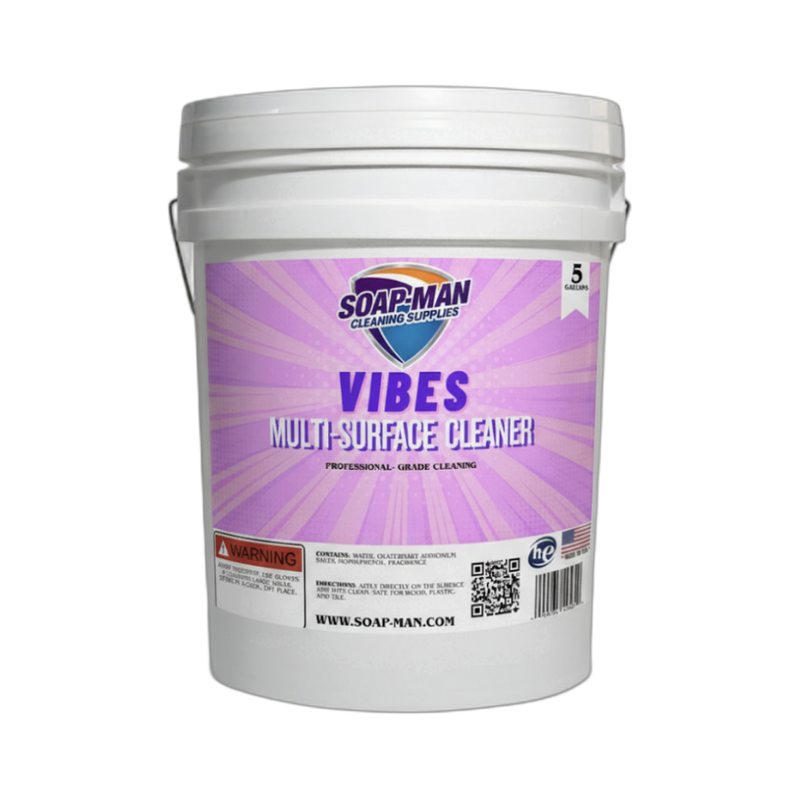
- Multi-surface cleaner — A quality multi-surface cleaner like Vibes Multi-Surface Cleaner handles everyday grime without leaving residue.
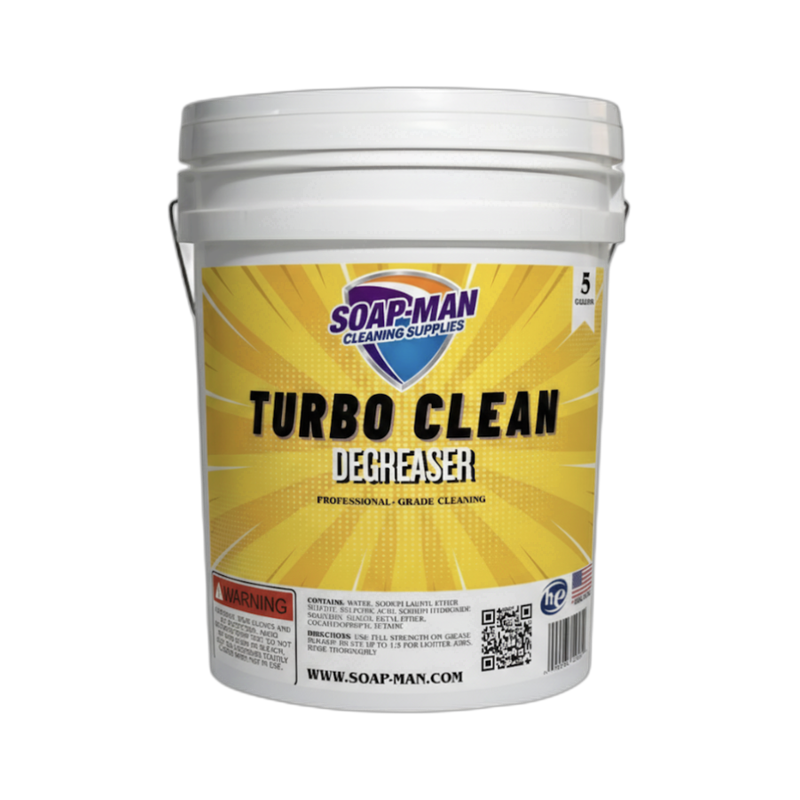
- Degreaser — For heavy kitchen grease buildup, you need something stronger. Turbo Clean Degreaser dissolves cooking grease on contact.
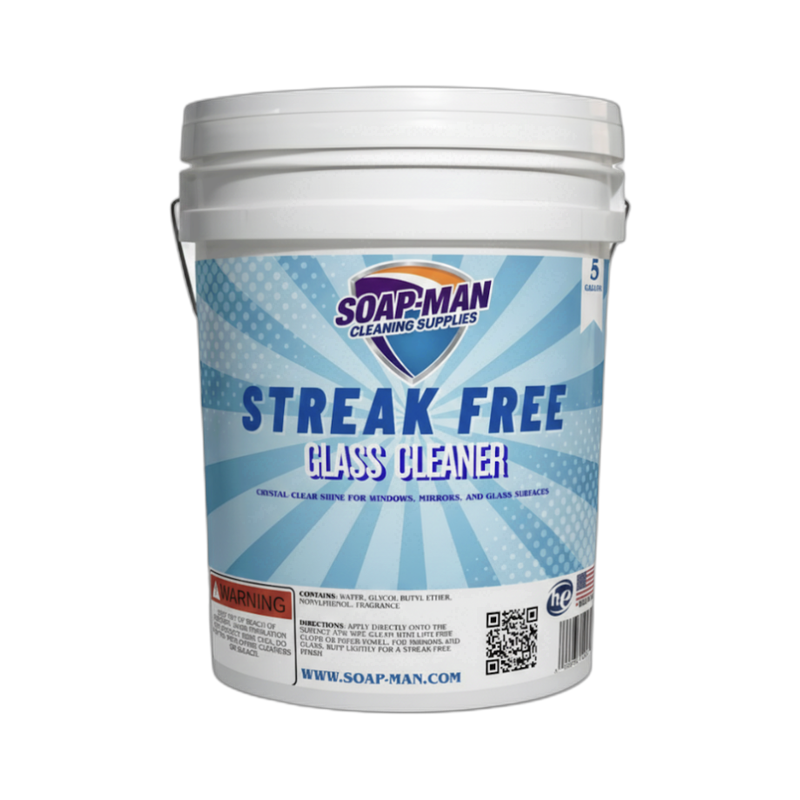
- Glass cleaner — For the final polish, Streak Free Glass Cleaner works beautifully on stainless steel to eliminate the last traces of streaking.
- Warm water
- Spray bottle — For diluting cleaning solutions if needed.
- Soft-bristle brush or old toothbrush — For textured areas, handles, and crevices.
- Olive oil or mineral oil (optional) — For a final protective polish after cleaning.
Step 1: Identify the Grain Direction
This is the single most important step that most people skip. Stainless steel has a grain — tiny lines that run in one direction, just like wood. If you look closely at your appliance under good lighting, you'll see these fine lines running either horizontally or vertically.
Always wipe in the direction of the grain. Wiping across the grain pushes dirt and cleaning solution into those tiny lines, creating more streaks and potentially scratching the surface. Most refrigerators and dishwashers have a vertical grain (top to bottom), while ovens and range hoods often have a horizontal grain (left to right).
Take 10 seconds to check the grain on each appliance before you start. It makes the difference between a professional-looking clean and a frustrating mess of streaks.
Step 2: Remove Loose Debris
Before applying any cleaner, wipe down the surface with a dry microfiber cloth to remove dust, crumbs, and loose particles. This prevents you from grinding debris into the surface when you start cleaning, which can cause micro-scratches that dull the finish over time.
Pay special attention to the areas around handles, control panels, and the bottom edges of appliances where crumbs and dust tend to accumulate. Use a soft-bristle brush for textured areas or tight crevices.
Step 3: Clean with the Right Solution
The cleaning product you choose depends on how dirty the surface is. Here's the approach we recommend for each level of grime.
For Everyday Fingerprints and Light Smudges
Dampen a microfiber cloth with warm water and a small amount of Vibes Multi-Surface Cleaner. Wipe in the direction of the grain using long, even strokes. Don't use circular motions — those create swirl marks that show up in certain lighting.
Work in sections. Start at the top of the appliance and work your way down so dirty drips don't land on surfaces you've already cleaned. After wiping with the cleaning solution, immediately follow with a clean, dry microfiber cloth to prevent water spots.
For Cooking Grease and Stubborn Buildup
Kitchen appliances near the stove accumulate cooking grease that a standard multi-surface cleaner won't cut through. For these situations, dilute Turbo Clean Degreaser according to the label directions and apply it to the greasy areas.
Let the degreaser sit for 30-60 seconds to break down the grease before wiping. Then wipe in the grain direction with a damp microfiber cloth. You may need two passes for heavy buildup. Follow with a dry cloth to prevent water spots and streaks.
For Water Spots and Mineral Deposits
Hard water leaves white mineral deposits on stainless steel, especially around sinks and dishwashers. Mix equal parts white vinegar and water in a spray bottle. Spray the affected area, let it sit for 2-3 minutes, then wipe in the grain direction with a damp microfiber cloth.
For really stubborn mineral deposits, apply undiluted white vinegar, let it sit for 5 minutes, then scrub gently with a soft cloth in the grain direction. Rinse thoroughly with clean water afterward — vinegar left on stainless steel for too long can damage the finish.
Step 4: Polish for a Streak-Free Finish
After cleaning, you may still see faint streaks — especially under direct lighting. This is normal and easy to fix. Spray a light mist of Streak Free Glass Cleaner onto a clean microfiber cloth (never spray directly onto the appliance, as this can cause uneven application).
Wipe in the grain direction with light, even pressure. The key here is using a clean, dry section of your cloth for the final pass. Flip the cloth to a fresh side and buff the surface with no product — just the dry microfiber. This picks up any remaining moisture and leaves a mirror-like finish.
Step 5: Apply a Protective Finish (Optional)
For an extra layer of protection that resists future fingerprints, apply a tiny amount of mineral oil or olive oil to a clean microfiber cloth. Wipe a very thin, even layer in the grain direction. The emphasis is on thin — too much oil will attract dust and make things worse.
You should barely be able to see the oil. Think of it like moisturizing your skin — a little goes a long way. This creates a barrier that makes fingerprints slide off more easily and gives the steel a subtle, warm sheen.
Cleaning Specific Stainless Steel Appliances
Refrigerators
Fridges are the biggest fingerprint magnets in any kitchen because everyone touches them multiple times a day. Focus on the area around the handles first — this is where the heaviest buildup occurs. For French-door models, don't forget the strip between the doors where food splatters can hide.
The bottom panel below the doors often gets kicked, scuffed, and splashed. Clean this area with degreaser and a soft brush before moving to the main door surfaces. Check the grain direction — most fridges run vertically, but some models have horizontal brushing on the handles.
Dishwashers
Dishwasher fronts get hit with steam every time you open the door, which leaves mineral deposits over time. The exterior also catches splatters from cooking and hand-washing dishes. Clean with a multi-surface cleaner, paying special attention to the area around the handle and control panel.
For the control panel, spray your cleaning solution onto the cloth rather than the panel directly to avoid moisture getting into the electronics. Use a soft-bristle brush or cotton swab for the gaps between buttons.
Ovens and Ranges
These are the toughest stainless steel surfaces to clean because they're constantly exposed to heat, grease, and food splatters. The area around burners, the range hood, and the oven door handle accumulate baked-on grease that requires a serious degreaser.
Apply Turbo Clean Degreaser to the greasiest areas and let it work for a full minute. For baked-on spots, you may need to reapply and let it sit longer. Use a non-abrasive scrubbing pad if needed, but always test in an inconspicuous area first and always scrub in the grain direction.
Range Hoods
Range hoods catch grease that rises from cooking, creating a sticky film that attracts dust. This is usually the greasiest stainless steel surface in the kitchen. Spray degreaser liberally, let it sit, and wipe with a microfiber cloth. You'll likely need multiple passes.
Don't forget the underside and the filters. Removable grease filters can usually be soaked in hot water with degreaser for 15-20 minutes, then scrubbed clean and reinstalled.
Common Mistakes That Damage Stainless Steel
Knowing what not to do is just as important as knowing the right technique. Here are the most common mistakes we see.
Using Abrasive Cleaners or Pads
Steel wool, scouring pads, and abrasive powdered cleaners will scratch stainless steel permanently. These scratches can't be buffed out — they're there for good. Stick to microfiber cloths, soft sponges, and non-abrasive cleaning solutions.
Using Bleach or Chlorine-Based Cleaners
Bleach and chlorine-based products can damage the chromium oxide layer that gives stainless steel its corrosion resistance. This leads to pitting, discoloration, and eventually rust. Keep bleach-based products away from your stainless steel appliances entirely.
Letting Cleaning Products Sit Too Long
Even mild cleaners can damage stainless steel if left on the surface for extended periods. Always rinse or wipe away cleaning products promptly. This is especially true for vinegar-based solutions, which are mildly acidic.
Using Paper Towels
Paper towels feel soft, but they're actually made of wood fibers that can leave micro-scratches on stainless steel. They also leave lint behind, which makes your freshly cleaned surface look dusty. Invest in quality microfiber cloths — they're reusable, more effective, and better for the finish.
Wiping Against the Grain
We've said it multiple times because it's that important. Wiping against the grain traps dirt in the micro-grooves and creates visible scratches over time. Always check the grain and wipe with it.
How Often Should You Clean Stainless Steel?
The right cleaning frequency depends on how much traffic your kitchen gets.
- Daily: Quick wipe-down with a damp microfiber cloth to remove fingerprints and splatters. Takes 2-3 minutes for all appliances.
- Weekly: Full clean with a multi-surface cleaner. This removes accumulated grime, grease, and water spots. Budget 15-20 minutes for all kitchen appliances.
- Monthly: Deep clean with degreaser on heavy-use surfaces (range hood, oven area) plus an oil finish for extra protection. About 30 minutes for a thorough job.
For commercial kitchens, daily degreasing around cooking stations is essential. The volume of grease produced in a commercial environment means you can't afford to let it build up. Weekly deep cleans of all stainless steel surfaces should be on the maintenance schedule.
The Professional Secret: Work in Sections
Professional cleaners never try to clean an entire appliance in one pass. They work in small sections — about 2 feet square — completing the full clean-dry-polish cycle on each section before moving to the next. This prevents cleaning solution from drying on the surface (which causes streaks) and ensures every area gets proper attention.
Start at the top and work down. This way, any drips from upper sections land on areas you haven't cleaned yet. It's a simple technique that makes a significant difference in the final result.
Frequently Asked Questions
Can I use Windex on stainless steel?
While some people use ammonia-based glass cleaners on stainless steel, we don't recommend it for regular use. Ammonia can dull the finish over time and may damage the protective layer. Instead, use a dedicated multi-surface cleaner for general cleaning and an ammonia-free glass cleaner like Streak Free Glass Cleaner for the final polish.
How do I remove scratches from stainless steel?
Light surface scratches can sometimes be minimized by rubbing a non-gel whitening toothpaste in the grain direction, then wiping clean. For deeper scratches, you can try a stainless steel scratch remover pen or a specialized stainless steel polishing compound. Deep gouges, unfortunately, are permanent and may require professional refinishing.
Why does my stainless steel look worse after I clean it?
This almost always means one of three things: you're wiping against the grain, your cloth isn't clean (it's redistributing old grime), or you're not fully drying the surface after cleaning. Try switching to a fresh microfiber cloth, confirm the grain direction, and make sure you do a full dry-and-buff pass at the end.
Can I use vinegar on stainless steel every day?
Vinegar is mildly acidic, so daily use isn't recommended — it can slowly erode the protective oxide layer on the steel. Save vinegar for targeted jobs like removing water spots or mineral deposits. For daily cleaning, warm water with a mild multi-surface cleaner is safer and just as effective.
What causes rust spots on stainless steel?
Stainless steel doesn't rust easily, but it can happen. The most common causes are prolonged contact with iron-containing items (cast iron pans, steel wool pads), exposure to chlorine or bleach, or damage to the protective chromium oxide layer from abrasive cleaning. Remove rust spots with a paste of baking soda and water, rubbed gently in the grain direction.
Is there a difference between cleaning brushed and polished stainless steel?
Yes. Brushed (or satin) stainless steel has a visible grain pattern and is more forgiving of minor marks. Polished (mirror-finish) stainless steel shows every imperfection and requires even more careful cleaning technique. Both types should be cleaned in the grain direction, but polished steel needs extra attention during the drying and buffing steps to avoid streaks.
How do I keep fingerprints off stainless steel?
You can't prevent fingerprints entirely — the oils in human skin will always leave marks on stainless steel. But you can minimize their appearance by applying a thin layer of mineral oil after cleaning, using a fingerprint-resistant coating product, or choosing appliances with a fingerprint-resistant finish. Regular daily wipe-downs also keep fingerprints from building up into visible smudges.