
Your Instant Pot Has More Hiding Spots Than You Think
Instant Pots are incredible cooking tools — but they're also incredibly complex to clean properly. The inner pot, the lid, the sealing ring, the steam valve, the condensation collector, the anti-block shield, and the exterior housing all need regular attention. Most people wash the inner pot and call it done, ignoring the half-dozen other components that trap food, absorb odors, and can eventually affect the taste of everything you cook.
The sealing ring alone absorbs odors so aggressively that many experienced Instant Pot owners keep separate rings for savory and sweet dishes. If your Instant Pot smells like last Tuesday's chili every time you open it, the sealing ring is almost certainly the culprit. This guide covers every component, from daily maintenance to deep cleaning, so your Instant Pot stays fresh and performs safely.
What You'll Need
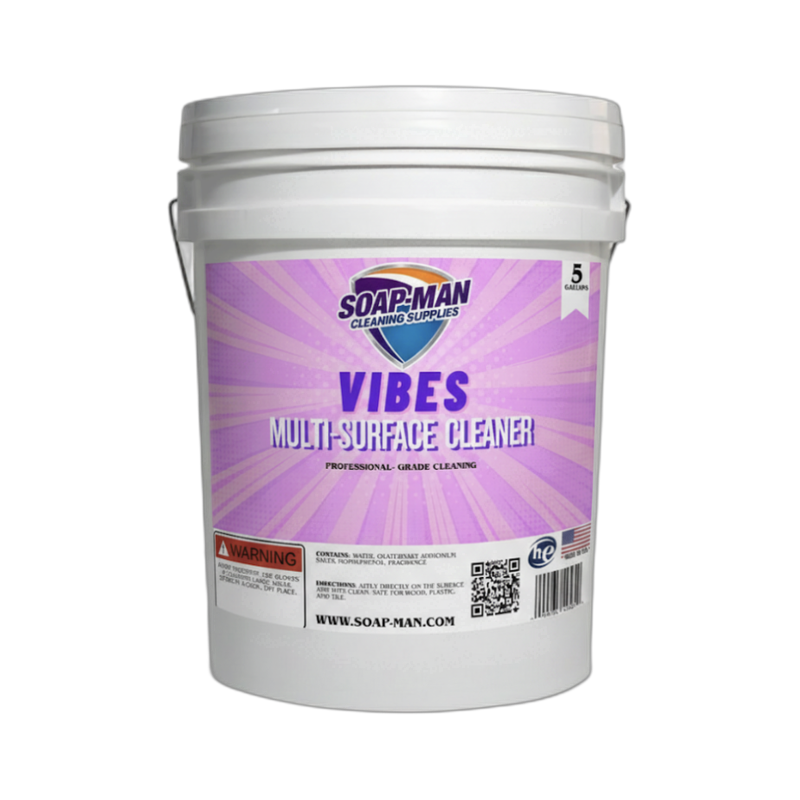
- Multi-surface cleaner — Vibes Multi-Surface Cleaner for the exterior housing and control panel.
- Dish soap and warm water
- White vinegar — for deodorizing and removing mineral deposits.
- Baking soda — for stain removal and odor absorption.
- Microfiber cloths
- A small brush or old toothbrush — for the steam valve, anti-block shield, and crevices.
- A non-abrasive sponge
Step-by-Step: Cleaning Every Part of Your Instant Pot
Step 1: Clean the Inner Pot
Remove the stainless steel inner pot and wash it with warm soapy water and a non-abrasive sponge. For stuck-on food, fill the pot with warm water, add a squirt of dish soap, and let it soak for 20-30 minutes before scrubbing. For stubborn stains or water marks on stainless steel, make a paste of baking soda and water, apply to the stain, let it sit for 10 minutes, then scrub gently. The inner pot is dishwasher-safe on most models, but hand washing preserves the finish longer.
Step 2: Remove and Clean the Sealing Ring
The silicone sealing ring sits inside the lid and absorbs odors from everything you cook. Pull it out of the lid (it pops out of a groove) and wash with warm soapy water. For odor removal, soak the ring in a 1:1 vinegar-water solution for 2-4 hours, or place it in the sun for a few hours — UV light breaks down odor molecules in silicone. For severe odors, make a baking soda paste, coat the ring, let it sit overnight, then rinse. Many users buy a second sealing ring and dedicate one to savory dishes and one to desserts.
Step 3: Clean the Lid Components
The lid has several parts that need individual attention. Remove the anti-block shield (the small metal cap on the underside of the lid) by twisting or pulling it off. Wash it with soapy water and a brush — food particles collect in its mesh. Clean the steam release valve by removing it (it lifts out on most models) and washing with warm soapy water. Use a toothbrush to clear any food particles from the valve opening. Check the float valve (the small silver pin) by pushing it up and down to confirm it moves freely — stuck float valves are a safety concern.
Step 4: Clean the Exterior and Heating Element
Never submerge the outer housing in water — it contains the electrical components. Spray Vibes Multi-Surface Cleaner onto a microfiber cloth and wipe down the exterior, including the control panel. For the interior of the outer housing (the cavity where the inner pot sits), wipe with a damp cloth to remove any food drips or splatter. Check the heating element at the bottom — if food has dripped onto it, dampen a cloth with vinegar and wipe gently. Dried food on the heating element causes burning smells and uneven cooking.
Step 5: Clean the Condensation Collector
The small plastic cup on the back of the Instant Pot catches condensation during cooking. Pull it off, dump the liquid, wash with soapy water, and snap it back on. Most people forget this exists — it fills up over several uses and can overflow if neglected, dripping liquid onto your counter or into the base of the unit.
Pro Tips
- Run a steam cycle to deodorize. Add 2 cups of water and a cup of vinegar to the inner pot, close the lid, and run a 2-minute steam cycle. This deodorizes the sealing ring, lid components, and inner pot in one step.
- Dry every part before reassembling. Moisture trapped under the sealing ring or inside the lid causes mildew. Air dry all parts completely before putting the Instant Pot back together.
- Store with the lid inverted. Instead of locking the lid in the sealed position, flip it upside down and rest it on top of the pot. This allows airflow and prevents the sealing ring from compressing into a permanent set.
Common Mistakes
- Submerging the outer housing. The base unit is not waterproof. Water inside the electrical housing causes shorts and corrosion. Only the inner pot, lid, sealing ring, and accessories are washable.
- Using abrasive cleaners on the inner pot. Steel wool and abrasive powders scratch stainless steel, creating rough spots where food sticks more easily. Use baking soda paste for stubborn stains — it's effective without scratching.
- Forgetting the anti-block shield. This small metal piece under the lid filters food particles from entering the steam valve. If it's clogged, the Instant Pot can't vent properly — which is a safety issue, not just a cleanliness one.
FAQ
How do I get the curry smell out of my sealing ring?
Curry, chili, and garlic are the most stubborn odors for silicone sealing rings. The most effective method is UV exposure — place the ring in direct sunlight for 4-6 hours. If that's not enough, soak overnight in a solution of 2 tablespoons baking soda per cup of warm water. Many experienced users simply keep two rings and accept that one will always smell savory.
Can I put Instant Pot parts in the dishwasher?
The inner pot, sealing ring, steam rack, and condensation collector are generally dishwasher-safe (top rack for silicone and plastic parts). The lid should be hand-washed because the dishwasher can damage the gasket groove and valve mechanisms. The outer housing should never be submerged or placed in a dishwasher under any circumstances.
How often should I replace the sealing ring?
Replace the sealing ring every 12-18 months with regular use, or immediately if it's cracked, warped, stretched, or no longer creates a proper seal. A worn sealing ring causes the Instant Pot to take longer to reach pressure, leak steam, or fail to pressurize entirely. Replacement rings cost $8-$15 and are one of the cheapest maintenance items for the appliance.
There's white residue inside my inner pot. What is it?
White spots or cloudy film on stainless steel is mineral buildup from hard water. It's cosmetic, not harmful. Remove it with a vinegar soak — fill the pot with equal parts water and white vinegar, let it sit for an hour, then scrub gently. For prevention, dry the pot immediately after washing instead of air drying.
My Instant Pot smells like burning. Is it dirty?
A burning smell usually means food has dripped onto the heating element inside the outer housing. Remove the inner pot, look at the heating plate at the bottom of the outer housing, and clean any burned food with a damp cloth and a small amount of vinegar. If the smell persists after cleaning, it could indicate a more serious electrical issue — discontinue use and contact the manufacturer.