
Why Chimney Cleaning Is Non-Negotiable
Every fire deposits creosote — a black, tarry residue — on the inside of your chimney. Thick creosote is extremely flammable and causes the majority of chimney fires in the US. The National Fire Protection Association recommends annual chimney inspection and cleaning for anyone who uses their fireplace regularly. DIY cleaning is possible for simple straight-flue chimneys, but most homeowners should hire a certified chimney sweep for safety and thoroughness — they have brushes, vacuums, and cameras for inspecting the inside of the flue you cannot reach.
What You'll Need
- Chimney brush — matched to your flue size and shape (round or rectangular).
- Extension rods — flexible rods that thread together to reach the full chimney length.
- Drop cloths
- Shop vacuum with HEPA filter
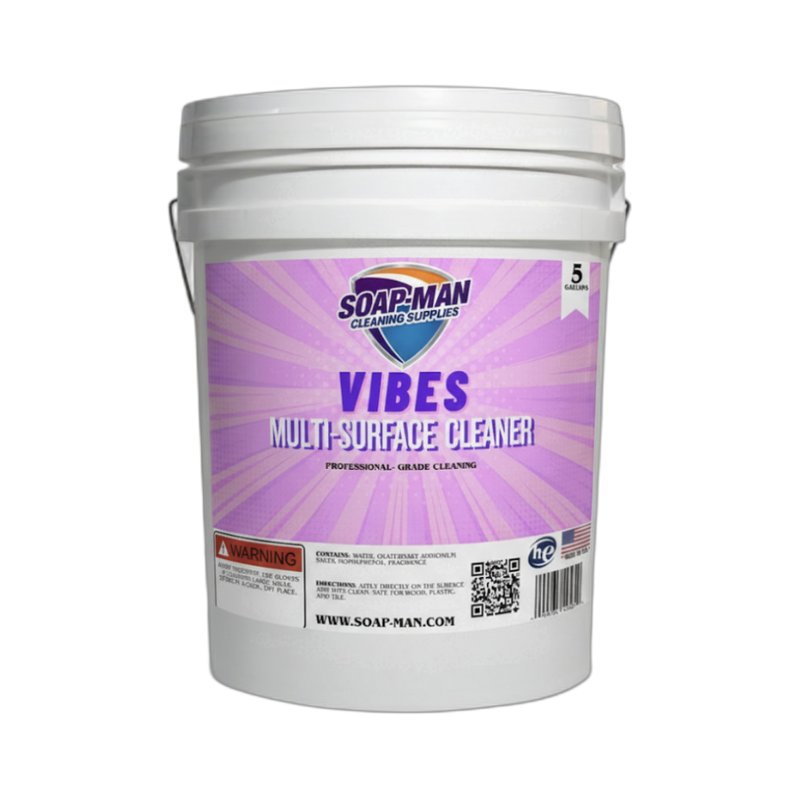
- Multi-surface cleaner — Vibes Multi-Surface Cleaner for the fireplace and mantle.
- Flashlight
- Dust mask, goggles, and gloves
- Safety harness — if cleaning from the roof.
Step-by-Step: How to Clean a Chimney
Step 1: Assess First
Before cleaning, inspect the chimney with a flashlight. If you see creosote more than an eighth of an inch thick, or if you cannot see the flue liner at all, call a professional — DIY tools cannot safely handle that level of buildup. Also call a pro if you have any of the following: a twisted or offset flue, a chimney that hasn't been cleaned in years, or signs of animal nests or damage.
Step 2: Prep the Fireplace
Lay drop cloths around the fireplace opening and over nearby furniture. Close the damper and stuff a wet sheet or tarp into the opening from the outside to contain soot inside the fireplace. Open windows for ventilation.
Step 3: Brush the Flue
If cleaning from the top: access the roof safely with proper fall protection. Remove the chimney cap. Attach the brush to the first rod and insert into the flue. Scrub up and down vigorously through the full length of the flue, adding extension rods as needed. The creosote falls into the firebox below. If cleaning from the bottom: use specialty bottom-up brushes designed for this approach — significantly harder but avoids roof work.
Step 4: Clean Up the Debris
Once brushing is done, remove the tarp from the fireplace opening and use a shop vacuum with a HEPA filter to vacuum up all fallen creosote and soot. Wipe the interior of the fireplace with Vibes Multi-Surface Cleaner on a cloth. Replace the chimney cap. Dispose of creosote carefully — it is combustible and should not go in regular household trash without being wetted first.
Pro Tips
- Hire a pro annually. Even if you do some cleaning yourself, an annual professional inspection catches hidden problems like cracked flue liners, damaged mortar, and animal intrusion. The cost is typically $150 to $300, far less than a chimney fire.
- Burn only seasoned hardwood. Green wood, softwood, and wet wood create significantly more creosote than dried hardwood. Proper fuel reduces cleaning frequency.
- Install a chimney cap. A cap keeps animals, debris, and rain out of the chimney. Missing caps let birds build nests that completely block the flue — a major fire hazard.
FAQ
How often should a chimney be cleaned?
Annually for regular users, or any time you see a quarter-inch of creosote buildup. Infrequent users (a few fires per year) may go two to three years between cleanings, but an annual inspection is still recommended.
Can I use a creosote-removing log?
Creosote-sweeping logs can help loosen light creosote deposits but they do not replace mechanical brushing. Think of them as a maintenance aid between proper cleanings, not a substitute.
What does glazed creosote look like?
Glazed creosote is the hardest, most dangerous form — a shiny, hard coating that looks like black glass. Standard brushing cannot remove it. This requires professional removal with chemical treatments or specialized tools.
How much does professional chimney cleaning cost?
Typical cost is $150 to $300 for a standard cleaning and inspection in the US. Severe creosote buildup, animal removal, or repair work adds to that. Always use a CSIA-certified chimney sweep for safety.