
Why Coffee Makers Need More Cleaning Than You Think
Coffee makers process hot water and ground coffee every single day, which means they accumulate two things that ruin coffee flavor: mineral scale from the water and oily residue from the beans. Over time, scale clogs the water lines and slows brewing. Oil residue turns rancid and makes every cup taste bitter no matter how good your beans are.
As cleaning professionals, we've seen coffee machines that haven't been descaled in years — the water lines so clogged they barely brew at half capacity, the carafes coated with a stubborn brown film, the brew baskets harboring active mold. It's rarely visible from the outside, but it's affecting every drink you make.
This guide covers the complete cleaning method for drip coffee makers, Keurig pod machines, and espresso machines. The principles apply to any brewer: daily wipe-down, weekly rinse, and monthly descaling. Stay on top of these three tiers and your coffee will taste better and your machine will last years longer.
What You'll Need
- White distilled vinegar — The most effective home descaling agent. It dissolves mineral deposits without damaging the machine's internal components.
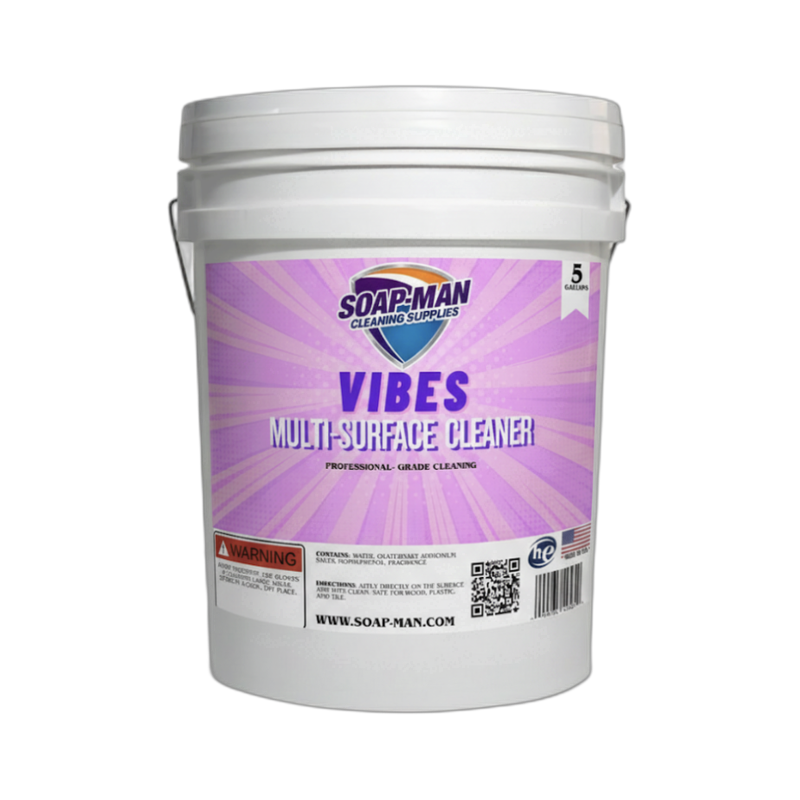
- Multi-surface cleaner — Vibes Multi-Surface Cleaner for exterior cleaning and the drip tray. Food-safe and residue-free.
- Dish soap — For washing the carafe and brew basket.
- Soft brush or bottle brush — For the water reservoir.
- Microfiber cloths
- Fresh water — For flushing after descaling.
- Pipe cleaners or toothpicks — For clearing small openings in Keurig needles and espresso group heads.
Step-by-Step: Drip Coffee Maker
Step 1: Daily Wipe-Down
After every use, empty the carafe and rinse it with hot water. Dump the used grounds and filter, rinse the brew basket, and wipe the warming plate with a damp cloth. This 60-second routine prevents oil buildup and keeps your coffee tasting fresh. Skipping this step for even a few days causes noticeable flavor degradation.
Step 2: Weekly Washing
Once a week, wash the carafe, brew basket, and permanent filter (if you have one) in warm soapy water. Use a soft sponge or bottle brush to scrub inside the carafe — coffee oils cling tightly to glass and need mechanical action to fully remove. Rinse thoroughly and air dry.
Step 3: Monthly Descaling
Fill the water reservoir with a 1:1 solution of white vinegar and water. Place the empty carafe on the warming plate and run a full brew cycle. Halfway through, pause the cycle (or turn it off) and let the vinegar solution sit in the machine for 30 minutes. This gives the acid time to dissolve mineral scale in the internal water lines.
Resume the cycle and let it finish. Empty the carafe and run 2-3 full cycles of plain fresh water to rinse the vinegar out completely. Don't skip the rinse — vinegar residue will make your next pot of coffee taste terrible.
Step-by-Step: Keurig or Pod Machines
Step 1: Empty and Rinse the Drip Tray
The drip tray collects overflow and should be washed with warm soapy water weekly. It's the dirtiest part of most Keurig machines and the part most people forget to clean.
Step 2: Clean the Pod Holder and Needle
Remove the pod holder (follow your manual — it usually lifts out after pressing a release). Wash it in warm soapy water. Use a toothpick or bent paperclip to clear out the needle that punctures the pods. Coffee grounds get stuck there and block water flow, causing weak brews and error messages.
Step 3: Descale the Water Lines
Empty the water reservoir and fill it with straight white vinegar (or a 1:1 vinegar-water mix for gentler descaling). Without a pod in the holder, run brew cycles into a mug and dump the liquid. Repeat until the reservoir is empty. Let the machine sit for 30 minutes with no pod in place, then run 4-6 cycles of plain fresh water through it to flush.
For Keurig's built-in descaling mode (if your model has one), follow the manual's instructions — the cycle automates most of this process.
Step-by-Step: Espresso Machines
Step 1: Daily Group Head Flush
After each espresso shot, run the group head for 2-3 seconds without a portafilter. This flushes grounds out of the screen. Wipe the screen with a damp cloth. Wipe the steam wand immediately after every milk frothing — milk proteins harden fast and are much harder to remove if left.
Step 2: Weekly Backflush (Semi-Auto and Automatic Machines)
With a blind portafilter basket in place, run a backflush cycle with a small amount of espresso machine cleaner. This clears oils from inside the group head and three-way valve. Follow with several plain water backflushes. Do not use vinegar in an espresso machine — it can damage the seals and boiler.
Step 3: Monthly Descaling
Use a commercial espresso machine descaler (not vinegar). Follow the manufacturer's descaling procedure exactly — espresso machines have delicate internal parts that can be damaged by wrong cleaning products or procedures. After descaling, run multiple cycles of fresh water through both the brew group and the steam wand.
Pro Tips
- Use filtered water. Tap water mineral content is the single biggest factor in scale buildup. Filtered or distilled water dramatically extends the time between descaling sessions.
- Don't leave coffee sitting in the carafe. Keeping coffee on the warming plate for hours bakes oils onto the glass and creates persistent stains. Transfer to a thermal carafe or discard.
- Run a plain water cycle after descaling. Vinegar taste can linger for 2-3 brews if you don't flush thoroughly. Always run at least 2-3 full cycles of fresh water before making coffee again.
- Clean visible mineral rings immediately. White crusty deposits around the reservoir or on metal parts indicate scale that's also building up internally. Wipe them off with vinegar on a cloth.
Common Mistakes
Never Descaling
Most coffee machines fail not from mechanical wear but from scale buildup clogging internal water lines. Descaling once a month (or even every 2-3 months with filtered water) can double or triple the lifespan of your coffee maker.
Using Vinegar in Espresso Machines
Vinegar is too harsh for espresso machine seals, gaskets, and boiler components. Use only manufacturer-approved descaling solutions in espresso machines. Vinegar is fine for drip and Keurig machines.
Not Rinsing After Descaling
Leftover descaling solution in the water lines means your next cup of coffee will taste awful. Run plain water cycles until there's no smell or taste of vinegar or descaler in the output.
Ignoring the Drip Tray
The drip tray is where overflow, spills, and leaked coffee collect. It's a breeding ground for mold and bacteria if not washed regularly. Wash it weekly at minimum.
Frequently Asked Questions
How often should I descale my coffee maker?
Every 1-3 months for drip machines, every 3-6 months for Keurig, and every 1-3 months for espresso machines. If you use filtered water, you can extend these intervals. If you see scale buildup or brewing slows down, descale immediately regardless of schedule.
Can I use citric acid instead of vinegar?
Yes. Citric acid (sold as a powder) mixed with water is an effective descaler that leaves no residual taste. It's actually preferable for people who don't want vinegar smell in their kitchen. Follow package directions for dilution.
Why does my coffee still taste bitter after cleaning?
Residual oils on the brew basket, carafe, or permanent filter. These parts need soaking in hot soapy water or a baking soda paste to fully remove oil buildup. Also check whether your beans are old — rancid beans taste bitter regardless of machine cleanliness.
How do I know when my coffee maker needs descaling?
Signs include slower brewing, louder gurgling sounds, weaker coffee, visible scale around the heating element or reservoir, and error messages on pod machines. If you notice any of these, descale immediately.
Is it safe to run the dishwasher cycle for my carafe?
Check the manufacturer's instructions. Most glass carafes are dishwasher-safe on the top rack, but some with painted or labeled exteriors should be hand-washed to preserve graphics.