
Why Copper Tarnishes and How to Fix It
Copper reacts with oxygen, moisture, and airborne sulfur compounds to form an oxide layer that starts brown, darkens to black, and eventually turns green in a process called patination. Every copper pot goes through this cycle unless it is actively maintained. The good news: copper tarnish is purely cosmetic. It does not damage the metal, does not affect cooking performance, and comes off with the right acid. The bad news: abrasive cleaners designed for stainless steel will scratch and thin the copper, and many commercial copper polishes leave chemical residues that should not touch food surfaces. The safest restoration method uses pantry ingredients — salt, acid, and friction.
What You'll Need
- Lemon halves — natural citric acid cuts tarnish without harming copper.
- Fine table salt — gentle abrasive.
- White vinegar — alternative acid for heavier tarnish.
- Flour — thickens the paste to keep it in contact with vertical surfaces.
- Soft cotton cloths — one for applying, one for buffing.
- Dish soap and water — for final rinse.
Step-by-Step: How to Clean Copper Pots
Step 1: Wash the Exterior With Soap First
Clean the copper with warm water and a drop of dish soap before any polishing. Polishing tarnish over dirt just grinds the dirt into the finish. A soft sponge is enough — never use steel wool or Scotch-Brite pads on copper. They leave permanent scratches that show as dull streaks after polishing. Rinse and dry with a soft cloth.
Step 2: Apply a Lemon-and-Salt Paste
Cut a lemon in half and dip the cut side in fine table salt. Rub it directly onto the tarnished copper in circular motions. The citric acid dissolves the oxide layer while the salt provides just enough abrasion to lift it off. For large pots, make a paste: 1 tablespoon salt, 1 tablespoon flour, and enough white vinegar to form a peanut-butter texture. Apply with a cloth, let sit for 5 to 10 minutes on heavy tarnish, then work in circular motions.
Step 3: Rinse and Repeat if Needed
Rinse the pot thoroughly with warm water — acid residue left on copper can cause new spots. For deep tarnish or green patina, repeat the lemon-salt treatment two or three times. Each pass lifts another layer. Do not expect instant results on a pot that has not been polished in a year. It may take four or five applications to hit a mirror finish.
Step 4: Buff With a Soft Cloth
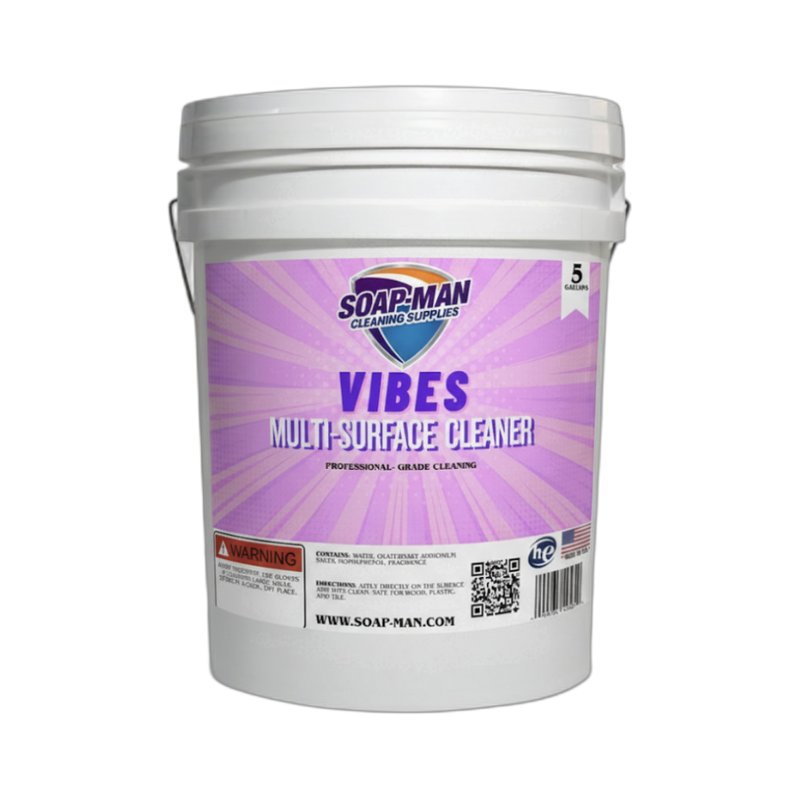
Dry the pot completely with a soft cotton cloth. Then buff with a second dry cloth in firm circular motions. The friction brings up the shine and removes the last microscopic film of oxide. For the final polish, wipe the exterior down with a cloth sprayed with Vibes Multi-Surface Cleaner and buff dry. It leaves a streak-free protective finish that helps delay the next tarnish cycle.
Pro Tips
- Dry immediately after every wash. Water droplets left on copper turn into tarnish spots within hours. Always towel-dry copper cookware as soon as you rinse it.
- Never put copper in the dishwasher. The detergent is too alkaline and will etch the finish permanently. Dishwashers destroy copper faster than any other cleaning mistake.
- Respect the tin lining. If your copper pot has a tin interior, never scrub with salt or abrasives inside the pot. Tin is soft and scratches easily. Clean the inside with soap and water only. Tin linings need to be re-tinned by a specialist every decade or so when they wear through.
FAQ
How often should I polish copper pots?
Display pots that hang on a rack need polishing every two to three months. Working pots that get used and washed frequently tarnish slower because the acids in food and soaps partially clean them — polish these once or twice a year, or whenever the tarnish bothers you.
Can I use ketchup to clean copper?
Yes, and it works surprisingly well. The vinegar and salt in ketchup dissolve copper oxide. Smear it on, let it sit for 10 minutes, then rinse and buff. It is a classic trick for antique copper restoration.
My copper pot has green spots — is it ruined?
No. Green spots are verdigris, another form of copper oxidation. Treat them the same way as brown tarnish — lemon-salt or vinegar paste — but expect to repeat the treatment several times. Deep verdigris takes patience.
Should I use a commercial copper cleaner?
Commercial copper polishes work but often contain ammonia, solvents, and residues that should never touch the inside of a cooking vessel. If you use one, apply only to the exterior, rinse thoroughly, and keep it far from the food surface. Lemon and salt are safer for cookware.