
Why Daycare Cleaning Is the Highest Standard of Clean
Daycare centers require the most rigorous cleaning standards of any commercial facility. Children touch every surface, put things in their mouths, have undeveloped immune systems, and share everything. A germ that enters a daycare classroom in the morning can circulate through every child by afternoon. Studies show that children in group childcare get 8-12 colds per year compared to 6-8 for children at home — and cleaning practices are the single biggest factor in reducing that gap.
Beyond health, daycare cleaning is also a regulatory requirement. State licensing agencies mandate specific cleaning frequencies, disinfectant types, and procedures. Failing an inspection can result in citations, fines, or closure. This guide covers the professional protocol that meets and exceeds licensing standards while keeping children safe from both germs and harsh chemicals.
What You'll Need
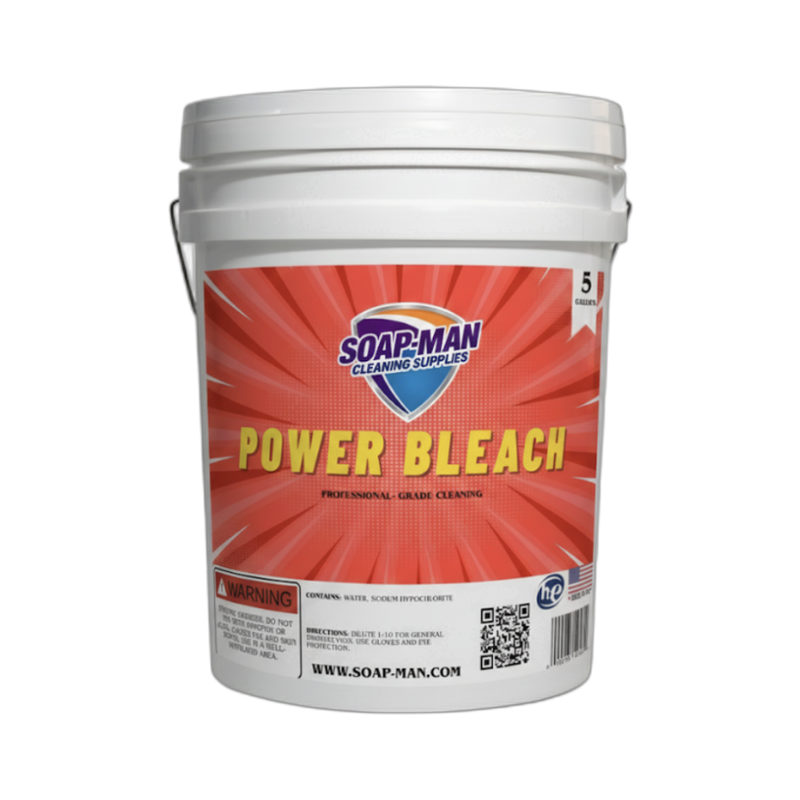
- Bleach — Power Bleach for making child-safe sanitizing and disinfecting solutions at proper dilution ratios.
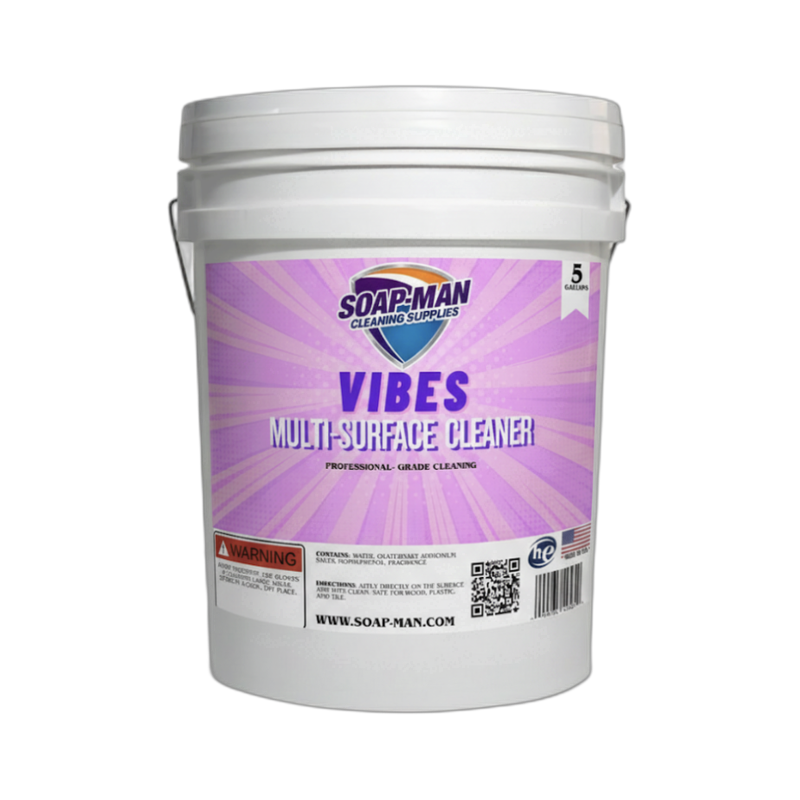
- Multi-surface cleaner — Vibes Multi-Surface Cleaner for general surface cleaning.
- Spray bottles (labeled) — one for sanitizing solution, one for disinfecting solution, one for general cleaner.
- Microfiber cloths (color-coded) — different colors for different zones (bathroom, kitchen, classrooms) to prevent cross-contamination.
- Disposable gloves
- Mop system with separate heads — one for bathrooms, one for classrooms, one for kitchen.
- Dishwasher or sanitizing basin — for toys and eating utensils.
Step-by-Step: Daycare Cleaning Protocol
Step 1: Understand the Two Levels — Sanitize vs. Disinfect
Daycare cleaning uses two different strength levels depending on the surface. Sanitizing (a weaker bleach solution — 1 tablespoon Power Bleach per gallon of water) is for food-contact surfaces, toys children mouth, and eating areas. It reduces germs to a safe level while being mild enough for surfaces that contact children's mouths. Disinfecting (a stronger solution — 1/4 cup bleach per gallon of water) is for bathrooms, diaper changing areas, and surfaces contaminated with bodily fluids. It kills virtually all pathogens. Know which solution goes where — using the wrong strength is either insufficient for safety or too strong for child contact.
Step 2: Classroom Surfaces (Multiple Times Daily)
Tables used for eating and activities must be cleaned and sanitized before and after each use. Spray with Vibes Multi-Surface Cleaner, wipe clean, then spray with sanitizing solution and let air dry (do not wipe — the air drying is what kills the remaining germs). Clean door handles, light switches, faucets, and cabinet pulls at least twice daily — these high-touch surfaces are the primary transmission route. Wipe countertops, shelves at child height, and cubbies daily. Clean windows and mirrors weekly.
Step 3: Toys and Shared Materials (Daily)
Toys that children put in their mouths need daily sanitizing. Hard plastic toys can be run through a dishwasher or soaked in sanitizing solution for 2 minutes, then air dried. Soft toys (stuffed animals, fabric toys) should be washed weekly in hot water and dried on the highest heat setting. Rotate toys regularly — designate sets that alternate days so each set gets a thorough cleaning cycle. Art supplies, books, and manipulatives that multiple children handle daily should be wiped with sanitizing solution at the end of each day.
Step 4: Diaper Changing and Restrooms (After Every Use + Deep Clean Daily)
The diaper changing area is the highest-risk zone in a daycare. After every diaper change: remove and dispose of the changing pad cover, spray the changing surface with disinfecting solution, wait the full contact time, and wipe clean. Don't rush this step — the contact time is what kills norovirus, rotavirus, and other fecal-oral pathogens. Restroom toilets, sinks, and floors need disinfecting twice daily minimum, plus spot cleaning after accidents. Flush floor drains weekly with disinfectant. Stock handwashing stations and verify they stay stocked throughout the day.
Step 5: Kitchen and Food Prep (Before and After Every Meal)
All food preparation surfaces must be cleaned and sanitized before and after each meal or snack. This includes countertops, cutting boards, serving utensils, and any surface food contacts. Run all dishes, cups, and utensils through a commercial dishwasher or wash in hot soapy water and soak in sanitizing solution for 2 minutes. Wipe refrigerator handles and microwave controls daily. Clean the interior of the refrigerator weekly and check food storage dates. Mop the kitchen floor daily with a designated kitchen-only mop.
Pro Tips
- Color-code everything. Use different colored cloths, mop heads, and spray bottles for each zone (red for bathrooms, blue for classrooms, green for kitchen). This prevents cross-contamination, and staff can verify at a glance that the right tools are being used in the right areas.
- Make fresh sanitizing solution daily. Bleach solutions lose potency after 24 hours. Mix new solutions every morning and label each spray bottle with the date. Using yesterday's sanitizing solution is nearly as bad as using plain water — it looks like you're sanitizing but the germ-killing power is gone.
- Air dry after sanitizing — never wipe. The wet contact time is when sanitizing solutions kill bacteria. Wiping the solution off immediately defeats the purpose. Spray, wait 2 minutes, let air dry. Train all staff on this — it's the most commonly skipped step and the one that matters most.
Common Mistakes
- Using the same mop for bathrooms and classrooms. A mop that touches the bathroom floor and then the classroom floor transfers fecal bacteria directly to where children play. Separate mop heads for each zone is a non-negotiable sanitation requirement.
- Sanitizing without cleaning first. Sanitizing solution doesn't work on dirty surfaces — organic matter (food, saliva, bodily fluids) shields bacteria from the solution. Always clean visible dirt with soap and water first, then apply sanitizer to the clean surface.
- Using fragranced or non-approved cleaners. Children are more sensitive to chemical fumes than adults, and many state licensing standards require specific approved products. Check your state's approved product list before using any cleaner in a licensed daycare facility.
FAQ
How often should daycare toys be cleaned?
Toys that children mouth: daily. Toys that children handle but don't mouth: at least weekly. Toys used by a sick child: immediately removed and sanitized before returning to use. Outdoor toys: weekly. Dramatic play clothes and dress-up items: weekly wash. Soft toys: weekly wash in hot water. This is the standard most licensing agencies enforce.
Is bleach safe to use around children?
Yes, at the correct dilution. The sanitizing solution (1 tablespoon bleach per gallon of water) used for child-contact surfaces is extremely dilute — it's the same concentration recommended by the CDC and state health departments for childcare settings. At this dilution, it's effective against pathogens while being safe for surfaces children touch and mouth. Always let sanitized surfaces air dry completely before children use them.
What cleaning products are not safe for daycare use?
Avoid: ammonia-based cleaners (respiratory irritant), aerosol sprays (airborne chemical exposure), strong fragranced products (allergic reactions), any product with warnings about skin contact or ingestion. Stick to mild soap for cleaning and properly diluted bleach for sanitizing — it's what health departments recommend and what most licensing agencies require.
How do I clean after a stomach virus outbreak?
Norovirus and rotavirus require enhanced disinfecting. Use the stronger disinfecting solution (1/4 cup bleach per gallon of water) on all surfaces the infected child contacted. Disinfect the entire classroom, all shared toys, and all bathroom surfaces. Launder all soft materials in hot water. Increase the frequency of routine disinfecting until no new cases appear for 48 hours. Report outbreaks as required by your licensing agency.
What should a daycare cleaning checklist look like for inspections?
Keep a written cleaning log with: task, frequency, responsible staff member, date/time completed, and signature. Inspectors want to see evidence of consistent cleaning, not just a clean facility on inspection day. Log daily sanitizing, weekly deep cleans, and monthly tasks. Post the cleaning schedule where staff can see it and initial tasks as they complete them.