
Why Gym Cleaning Requires a Higher Standard
Gyms are unique cleaning environments because every surface is a potential transmission point. Exercise equipment is touched by dozens of people daily, each leaving behind sweat, skin cells, and bacteria. Studies have found that free weights harbor 362 times more bacteria than a toilet seat. Weight benches have 53 times more. The warm, humid environment of a gym accelerates bacterial growth, and shared surfaces like mats, handles, and locker room benches are direct skin-to-surface contact points.
For gym owners, cleanliness isn't just a maintenance issue — it's a business issue. Members consistently rank cleanliness as the top factor in choosing and staying with a gym. A gym that looks and smells clean retains members. One that doesn't drives them away, regardless of equipment quality or programming. This guide provides the professional cleaning protocol that keeps a gym safe, clean, and member-approved.
What You'll Need
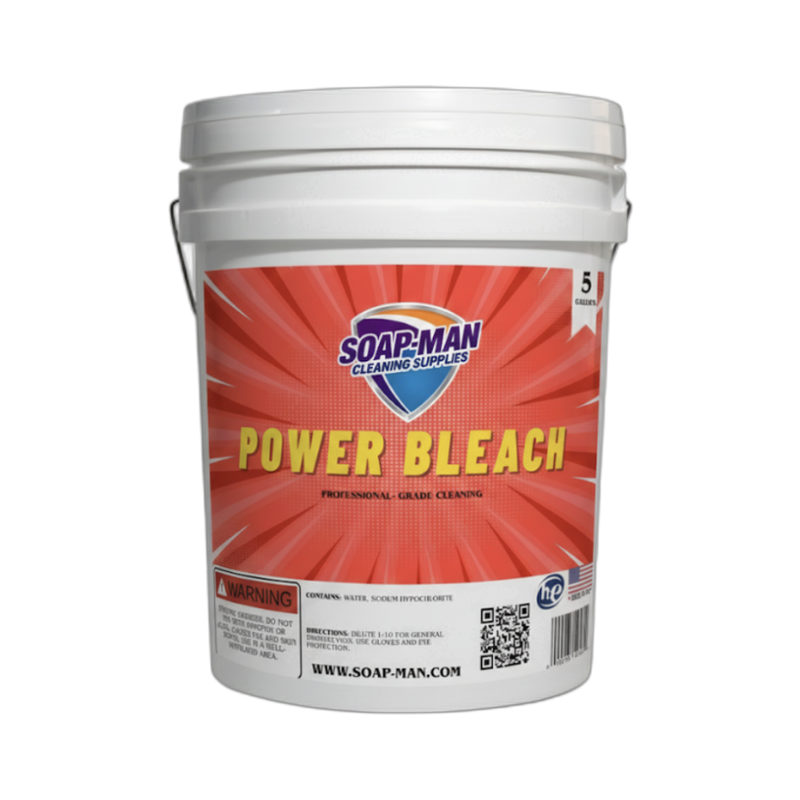
- Bleach-based disinfectant — Power Bleach diluted for disinfecting high-touch surfaces and locker rooms.
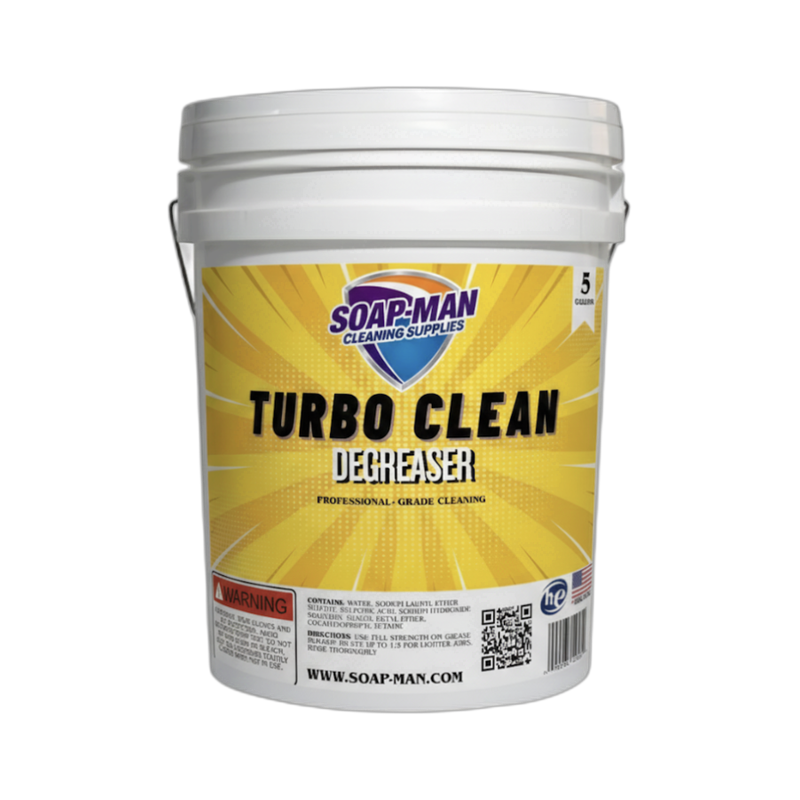
- Degreaser — Turbo Clean Degreaser for equipment with buildup from sweat, body oils, and skin products.
- Spray bottles — labeled for each solution.
- Microfiber cloths (large supply) — use fresh cloths for each zone.
- Commercial mop system
- Disinfectant wipes stations — for member use between cleanings.
- Rubber gloves
- Trash bags
Step-by-Step: Professional Gym Cleaning Protocol
Step 1: High-Touch Equipment (Daily — Multiple Times)
Every piece of equipment that people touch needs disinfecting multiple times per day during operating hours. This includes: all cardio machine handles, screens, and control panels; weight machine handles, seats, and pads; free weight handles and dumbbell grips; bench pads and adjustment pins; cable machine handles and pulleys. Spray equipment surfaces with diluted bleach solution (1 tablespoon Power Bleach per quart of water) and let it sit for the contact time recommended on the label, then wipe with a clean microfiber cloth. For equipment with sweat and body oil buildup, spray with Turbo Clean Degreaser first to cut through oils, then follow with disinfectant.
Step 2: Locker Rooms and Restrooms (Daily — Twice Minimum)
Locker rooms are the highest-risk area for bacterial and fungal transmission. Clean and disinfect all shower floors, walls, and fixtures. Scrub toilet bowls, sinks, and urinals. Disinfect benches and locker surfaces. Mop floors with bleach solution, paying special attention to wet areas where fungal growth (athlete's foot, ringworm) thrives. Restock soap, paper towels, and toilet paper. Empty all trash cans. Check drains for clogs and standing water — standing water in a warm locker room is a pathogen incubator.
Step 3: Floor Care (Daily)
Gym floors take enormous abuse — dropped weights, spilled water, tracked-in dirt, and sweat drips. Rubber flooring in the weight area should be swept daily and mopped with a mild cleaning solution weekly. Hardwood or sport court floors need daily dust mopping and weekly damp mopping with a floor-specific cleaner. Carpet areas (if any) need daily vacuuming. Entrance areas need the most frequent attention — mats should be cleaned or replaced regularly, and the transition from outdoor to indoor flooring should be mopped to prevent tracking.
Step 4: Mats and Specialty Equipment (Daily)
Yoga mats, stretching mats, exercise balls, resistance bands, foam rollers, and jump ropes all contact skin and absorb sweat. Spray mats and soft equipment with disinfectant after each group class and at the end of each day. Hang mats vertically to air dry — stacking wet mats breeds mold. Wipe exercise balls and foam rollers with disinfectant cloths. Replace resistance bands and jump ropes when they show wear — cracked or fraying equipment is both a safety hazard and a bacteria reservoir.
Step 5: Deep Clean Weekly
Beyond daily cleaning, gyms need weekly deep cleaning of areas that daily routines don't fully cover. Machine clean all rubber flooring (auto-scrubber or heavy mop). Deep clean locker room grout and tile with bleach. Clean HVAC vents and check air quality (gyms need higher ventilation rates than typical commercial spaces). Wipe down mirrors with glass cleaner. Clean water fountain spouts and drains. Inspect and clean behind and under all equipment — debris accumulates where you can't see it.
Pro Tips
- Make member cleaning easy and expected. Place disinfectant wipe stations at every equipment zone — cardio, free weights, machines, and stretching. Clear signage asking members to wipe equipment after use both improves hygiene and signals that your gym takes cleanliness seriously. Members who see cleaning supplies everywhere feel confident about the facility's standards.
- HVAC is critical in gyms. Gyms produce more moisture, CO2, and body odor than standard commercial spaces. Increase air exchange rates, change filters more frequently (monthly instead of quarterly), and consider UV-C air purification for enclosed studios. Good air quality is the invisible but powerful contributor to a gym feeling fresh and clean.
- Rubber flooring needs degreaser, not just disinfectant. Sweat and body oils build up on rubber gym flooring and create a slippery, grimy film that disinfectant alone doesn't cut. Use a degreaser for the weekly deep clean, then follow with disinfectant. The difference in floor appearance and grip is immediately noticeable.
Common Mistakes
- Disinfecting without cleaning first. Disinfectant doesn't work well on dirty surfaces — the organic matter (sweat, oils) shields bacteria from the disinfectant. Always clean the surface first with a degreaser or soap, then apply disinfectant for a second pass.
- Not allowing proper contact time. Disinfectants need to remain wet on the surface for a specific time (usually 1-10 minutes) to kill bacteria and viruses. Spraying and immediately wiping is cleaning, not disinfecting. Read the label and let the product work.
- Cleaning the gym floor with too much water. Excess water damages rubber flooring adhesive, warps wood, and creates slip hazards. Use a damp mop, not a wet one. Water should evaporate within minutes of mopping.
FAQ
How often should gym equipment be disinfected?
During operating hours: all cardio and weight equipment should be disinfected at least 3 times per day by staff (morning, midday, and evening), with member wipe-down expected after each individual use. Locker rooms twice daily minimum. Floors daily. A comprehensive deep clean weekly. Increase frequency during cold and flu season.
What disinfectant is safe for gym equipment?
Diluted bleach solution (1:32 ratio), quaternary ammonium compounds, and hydrogen peroxide-based cleaners are all effective and safe for gym equipment. Avoid highly acidic or alkaline cleaners that corrode metal components. Whatever you use, check compatibility with vinyl/leather upholstery, rubber grips, and digital screens.
How do I prevent locker room odor?
Odor in locker rooms comes from bacteria feeding on sweat and moisture. The solution is threefold: ventilation (increase air exchanges, install exhaust fans near showers), cleaning (daily floor and surface disinfecting), and moisture control (drain all standing water, fix dripping fixtures, ensure showers drain properly). Once the moisture and bacteria are controlled, the odor stops.
Can I use bleach on rubber gym flooring?
Diluted bleach (1:32 ratio) is safe for rubber flooring for occasional disinfecting. However, frequent undiluted bleach use can dry out and crack rubber over time. For daily cleaning, a pH-neutral cleaner is best. Save bleach for weekly disinfecting or when a communicable illness requires enhanced sanitation.
How do I clean gym mirrors?
Gym mirrors collect sweat spray, cleaning product mist, and fingerprints. Spray glass cleaner on a microfiber cloth (not directly on the mirror to avoid drips behind the mirror frame) and wipe in overlapping S-patterns. For a gym-sized mirror wall, use a flat microfiber mop head on an extension pole — it's faster and more streak-free than hand wiping. Clean mirrors weekly or whenever they're visibly spotted.