
Why Coffee Makers Need Descaling
Tap water contains dissolved calcium and magnesium. When your coffee maker heats that water to 200 degrees, the minerals drop out of solution and coat the inside of the heating element, water lines, and spray head with a hard chalky layer called limescale. A little bit is unavoidable. A lot of it clogs the flow path, makes the heating element work harder, changes the extraction temperature, and produces weak, bitter coffee. Heavy scale eventually kills the machine. Descaling dissolves that mineral layer back into the water with a mild acid — either a commercial descaler or plain white vinegar — and flushes it out. Every drip machine, pod machine, and espresso maker needs this treatment every one to three months depending on water hardness and usage.
What You'll Need
- White distilled vinegar — the cheapest and most effective descaler.
- Fresh cold water — for the rinse cycles.
- Carafe or catch container — to collect the cycle runoff.
- Microfiber cloth — for the exterior wipe-down.
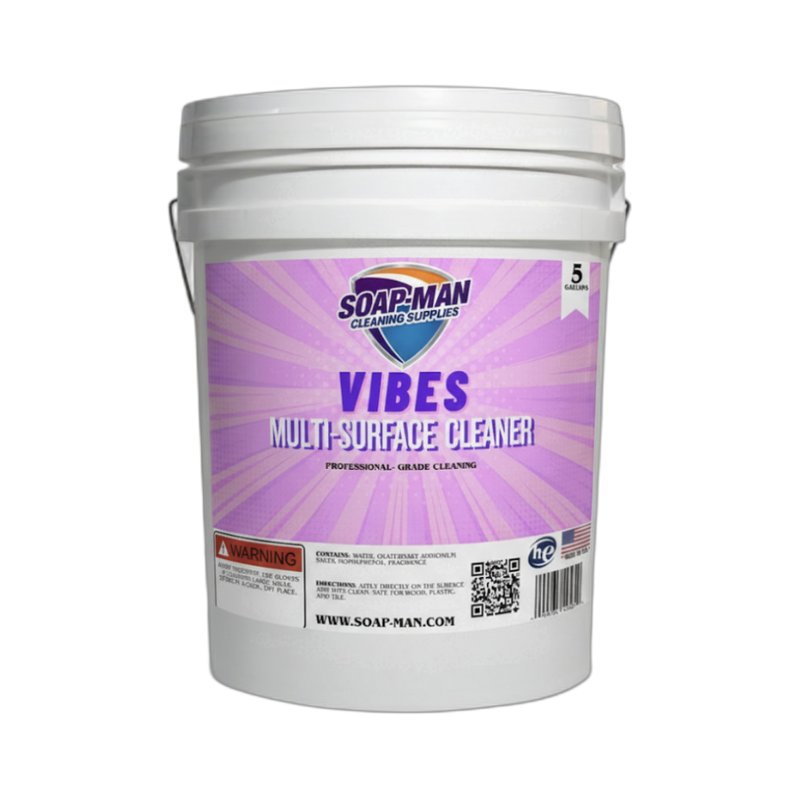
- Multi-surface cleaner — Vibes Multi-Surface Cleaner for the drip tray and exterior.
Step-by-Step: How to Descale a Coffee Maker
Step 1: Empty the Machine and Prepare the Solution
Pour out any water sitting in the reservoir and remove the filter basket, used grounds, and any paper filter. Dump the carafe or the drip tray so it can catch the full descaling cycle. Mix equal parts white vinegar and cold water — about 4 cups total for a standard drip machine. Pour the solution into the water reservoir as if you were filling it for a normal brew.
Step 2: Run a Half Brew Cycle, Then Pause
Start the brew cycle. Let about half the solution run through, then stop or power down the machine. Let the hot vinegar sit inside the machine for 20 to 30 minutes. This contact time is what actually dissolves the scale — running it straight through without a pause barely cleans anything. For heavy buildup, extend the soak to an hour.
Step 3: Finish the Brew and Rinse With Plain Water
Restart the machine and let the rest of the vinegar solution run through. Discard the runoff. Now run at least two full cycles of fresh cold water through the machine with nothing else in the reservoir. This flushes out residual vinegar. Taste the final rinse output — if it still has a vinegar smell, run one more water cycle. Nothing ruins a morning cup like a vinegar aftertaste.
Step 4: Clean the Removable Parts and Exterior
Wash the carafe, filter basket, and drip tray in warm soapy water and dry them. Wipe down the warming plate with a damp cloth — dried coffee drips there harden and smell burnt. Spray the exterior with Vibes Multi-Surface Cleaner and wipe with a microfiber. Reassemble the machine and run one final water-only cycle before making coffee.
Pro Tips
- Use filtered water for daily brewing. A basic pitcher filter or built-in machine filter dramatically slows scale buildup. You still need to descale occasionally, but every three to four months instead of every month.
- Don't skip the soak. The biggest mistake is running vinegar straight through without letting it sit. Contact time is what dissolves scale. Pause the cycle halfway and wait.
- For Keurig and pod machines, use the manufacturer descale cycle if one exists. The pumps and sensors in pod machines can sometimes read the difference between water and vinegar as a fault. Commercial descaling solutions are tuned for them. If you use vinegar, run three water rinse cycles afterward.
FAQ
How often should I descale my coffee maker?
Every 1 to 3 months for most households. If you have hard water (visible scale in your kettle or shower head), descale monthly. If you use filtered water, every 3 to 4 months is enough. If the brew cycle is getting slower, that is your signal to descale immediately.
Can I use citric acid instead of vinegar?
Yes. Mix 2 tablespoons of citric acid powder with 4 cups of water. It is odorless, rinses out faster than vinegar, and works just as well on limescale. Many commercial descalers are just citric acid with added color.
Does descaling actually make the coffee taste better?
Yes, dramatically. Scale buildup changes the water temperature and the flow rate, both of which throw off extraction. A freshly descaled machine brews at the correct temperature again, producing brighter, cleaner coffee with the full flavor the beans are supposed to deliver.
My machine has a "descale" light on. Do I still need to run vinegar?
The descale light is a usage-based timer, not a sensor. It means "it is time to descale" — the machine has no way to detect actual scale. Run the vinegar or descaling cycle and reset the light per the manual.