
Why Dog Toys Need Regular Cleaning
A beloved dog toy can carry more bacteria than a toilet seat. Every chew session adds saliva, food particles, and whatever your dog has been licking — including shoe bottoms, floor dirt, and outdoor debris. Bacteria grow rapidly in the wet, dark crevices of rope toys and inside squeakers. For dogs with sensitive stomachs or compromised immune systems, contaminated toys can cause digestive upset and skin issues. Weekly cleaning (or more for heavy chewers) keeps your dog healthy and the house smelling better.
What You'll Need
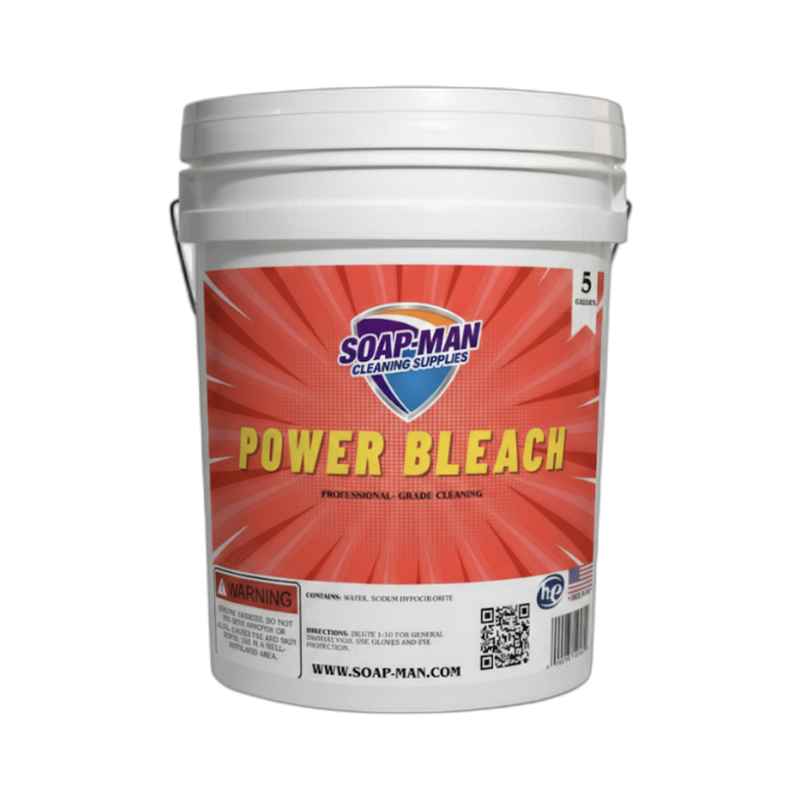
- Diluted bleach — Power Bleach at 1:32 ratio (half cup per gallon) sanitizes safely.
- Mild dish soap
- Clean basin
- Mesh laundry bag — for machine-washable plush toys.
- Old toothbrush
Step-by-Step: How to Clean Dog Toys
Step 1: Sort Toys by Material
Group toys by material since each type cleans differently. Rubber and nylon toys can handle aggressive cleaning including dishwasher or bleach soaking. Rope toys can be microwaved or machine-washed. Plush toys with squeakers need gentle machine wash. Rawhide and edible toys should never be washed — discard when dirty.
Step 2: Clean Rubber and Nylon Toys
Hot soapy water handles daily cleaning. Scrub with an old toothbrush to get into textured surfaces and crevices where food from interactive toys (like KONGs) gets stuck. For deep cleaning, soak in a solution of one half cup Power Bleach per gallon of water for 10 minutes, then rinse extremely thoroughly under running water for at least a minute. Air-dry completely. Dishwasher top rack also works if the toy is labeled dishwasher-safe.
Step 3: Clean Rope Toys
Rope toys harbor bacteria in the woven fibers. Machine-wash in a mesh laundry bag on hot with mild detergent. For quick sanitizing, wet the rope thoroughly and microwave for 60 seconds — the heat kills bacteria. Only microwave ropes with no metal or plastic parts. Let cool completely before giving back to your dog.
Step 4: Clean Plush Toys
Plush dog toys machine-wash in a mesh laundry bag on cold, gentle cycle with mild detergent. Skip the fabric softener — dogs do not need artificial fragrances. Air-dry or tumble on low heat if the toy allows. Make sure the interior stuffing is completely dry before returning to your dog, since damp stuffing molds quickly.
Pro Tips
- Rinse bleach solution thoroughly. Any residue is toxic if ingested. After bleach cleaning, rinse under running water for a full minute and smell-test the toy — no bleach smell should remain before returning to your dog.
- Discard damaged toys. Toys with torn fabric, exposed stuffing, cracked rubber, or holes in squeakers are choking and ingestion hazards. Throw them out.
- Rotate toys to reduce wear and bacteria buildup. Dogs get bored of the same toys, and rotating the selection gives each toy time to fully dry between uses.
FAQ
Can I use vinegar to clean dog toys?
Yes, equal parts white vinegar and hot water works well for hand-washing and is non-toxic. Vinegar kills most bacteria, deodorizes, and rinses clean. It is a great choice if you want to avoid bleach.
Are there any cleaning products unsafe for dog toys?
Avoid fabric softener, dryer sheets, heavily fragranced detergents, and any phenol-based disinfectants (Lysol concentrate, some household cleaners). These leave residues that irritate dogs or are toxic if ingested.
How do I clean KONG toys and other treat dispensers?
Soak in hot soapy water for 15 minutes to loosen dried treats, then scrub the interior with a bottle brush or long-handled brush. Most KONGs are dishwasher-safe on the top rack for an easier option.
How often should I clean dog toys?
Weekly for daily-used toys, bi-weekly for occasional toys. Immediately after any outdoor dirt contact or food interaction. Plush toys every two to three weeks unless your dog drools heavily on them.