
Why Litter Box Hygiene Matters
Cats are extremely particular about cleanliness. A dirty litter box will cause even well-trained cats to start eliminating elsewhere in your home. Beyond the behavioral issue, unscooped litter produces ammonia fumes from urine breakdown that irritate human and feline lungs alike. Bacterial growth in old litter can cause urinary tract infections in cats. Proper hygiene means daily scooping, weekly liner changes, and a thorough deep clean with disinfectant every one to two weeks.
What You'll Need
- Litter scoop with small holes — catches fine clumps.
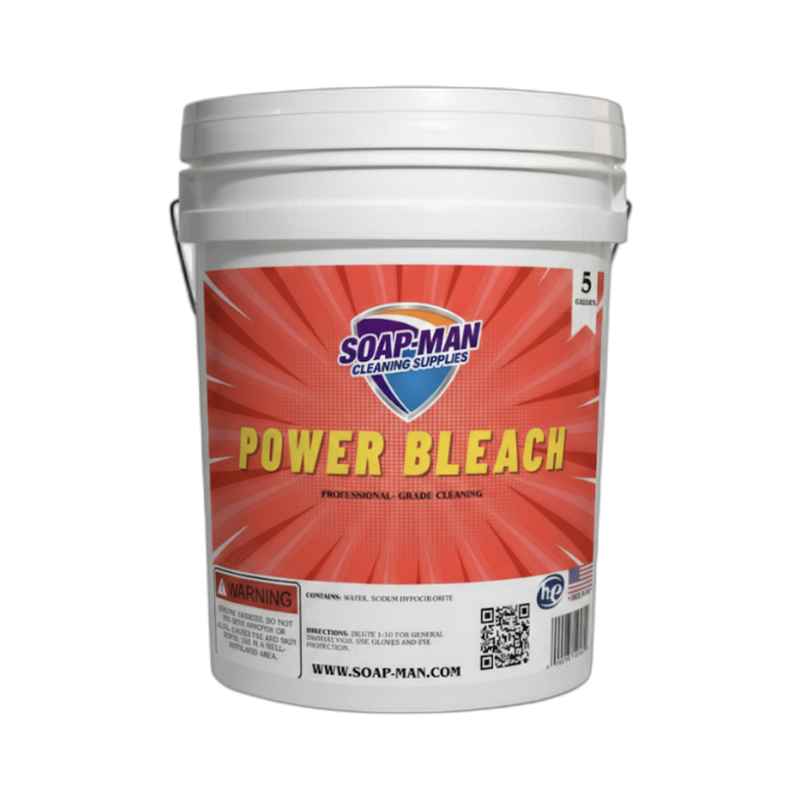
- Diluted bleach — Power Bleach at 1:20 ratio with water is the only safe disinfectant for litter boxes.
- Hot water and dish soap
- Old rags or paper towels — disposable is preferable.
- Rubber gloves
- Dedicated brush — never reused on other surfaces.
- Trash bags
Step-by-Step: How to Clean a Litter Box
Step 1: Daily Scooping
Scoop solid waste and urine clumps at least once a day — twice a day for multi-cat homes. Use a scoop with small holes to catch even small clumps. Dispose of waste in a sealed bag. After scooping, top off the litter to maintain a depth of two to three inches. Cats prefer a consistent litter level.
Step 2: Weekly Full Change (Non-Clumping Litter)
If using non-clumping litter, dump the entire contents once a week and replace with fresh. For clumping litter, you can go one to two weeks between full changes as long as you scoop daily.
Step 3: Deep-Clean Every Two Weeks
Empty all litter into a trash bag and take the empty box to the bathtub, outside, or a utility sink — anywhere you can scrub without contaminating your kitchen. Rinse with hot water to remove loose debris. Scrub the entire interior with hot water and dish soap using your dedicated brush, getting into the corners where urine accumulates.
Step 4: Disinfect and Dry
After soap scrubbing and rinsing, fill the box with a solution of 1 part Power Bleach to 20 parts water. Let it sit for five minutes — this kills the bacteria that cause odor and urinary issues. Rinse thoroughly (and I mean thoroughly — bleach residue is toxic to cats). Dry completely with paper towels or let air-dry in the sun. Refill with fresh litter.
Pro Tips
- Never use ammonia-based cleaners. Ammonia smells like cat urine to a cat, which actually encourages them to mark the box exterior. Bleach-based cleaners (properly diluted and rinsed) are the standard.
- Replace the box yearly. Plastic litter boxes develop micro-scratches from scooping, and those scratches trap urine. Once you can smell ammonia even after cleaning, the plastic is permanently contaminated. Replace the entire box.
- Use a liner for easier cleaning. Heavy-duty litter liners make weekly changes a one-minute job — lift, tie, and toss. Just check that your cat tolerates liners, since some will claw through them.
FAQ
Is bleach safe around cats?
Properly diluted bleach (1:20 ratio) and fully rinsed off is safe. The issue is residue — any leftover bleach on the litter box surface will contact your cat's paws and get licked. Rinse extremely thoroughly and let the box air-dry completely before adding fresh litter.
How many litter boxes do I need?
The rule of thumb is one box per cat plus one extra. Two cats need three boxes. This prevents territorial disputes and ensures a clean box is always available.
Why does my cat pee outside the litter box even when it's clean?
Causes include a urinary tract infection (visit a vet immediately), a litter type the cat dislikes, a box location the cat finds unsafe, or residual odor from incomplete cleaning. Try a deep clean with bleach, fresh litter, and consider moving the box to a quieter spot.
Can I flush cat waste down the toilet?
No. Most municipalities ban flushing cat waste due to toxoplasmosis risk to wildlife and water treatment challenges. Bag and dispose in regular trash.