
Why Your House Smells Like a Pet (Even When You Clean)
Pet odors come from seven main sources: skin oils on furniture and bedding, saliva on toys and surfaces, urine marks (visible and invisible), feces residue, accumulated dander in carpet and upholstery, food smells from bowls and storage, and the pet's own breath and body scent circulating through the HVAC system. Most people only address one or two of these — usually visible messes — which is why their house still smells pet-y even after a deep clean.
Effective odor removal means hitting every source at the same time. This guide walks you through a systematic approach: identify the sources, neutralize them one by one, and implement the habits that keep odors from coming back.
What You'll Need
- An enzyme cleaner — for organic stains and odors.
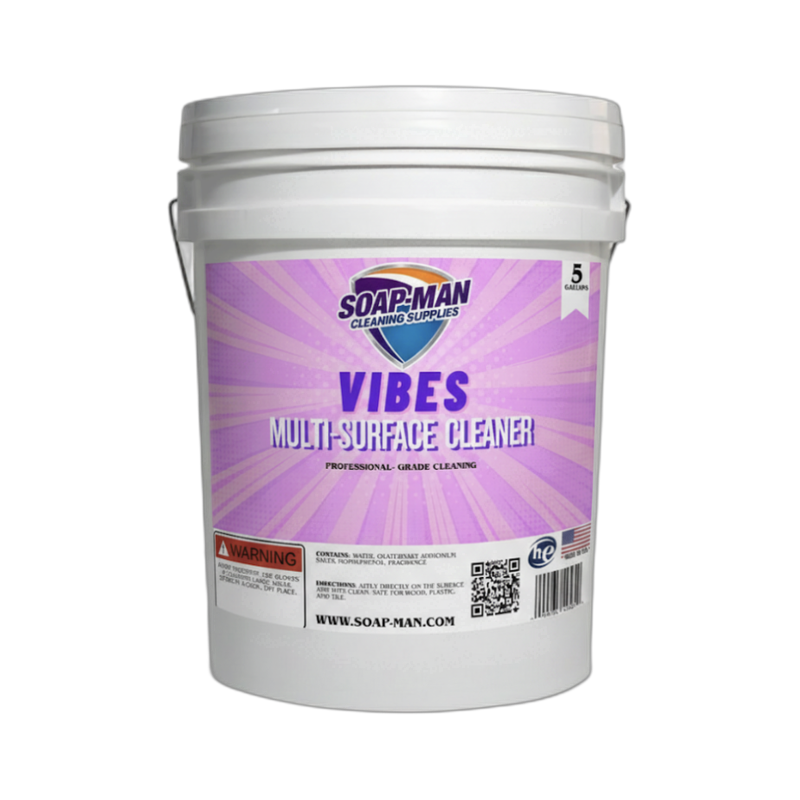
- A general cleaner — Vibes Multi-Surface Cleaner for surfaces.
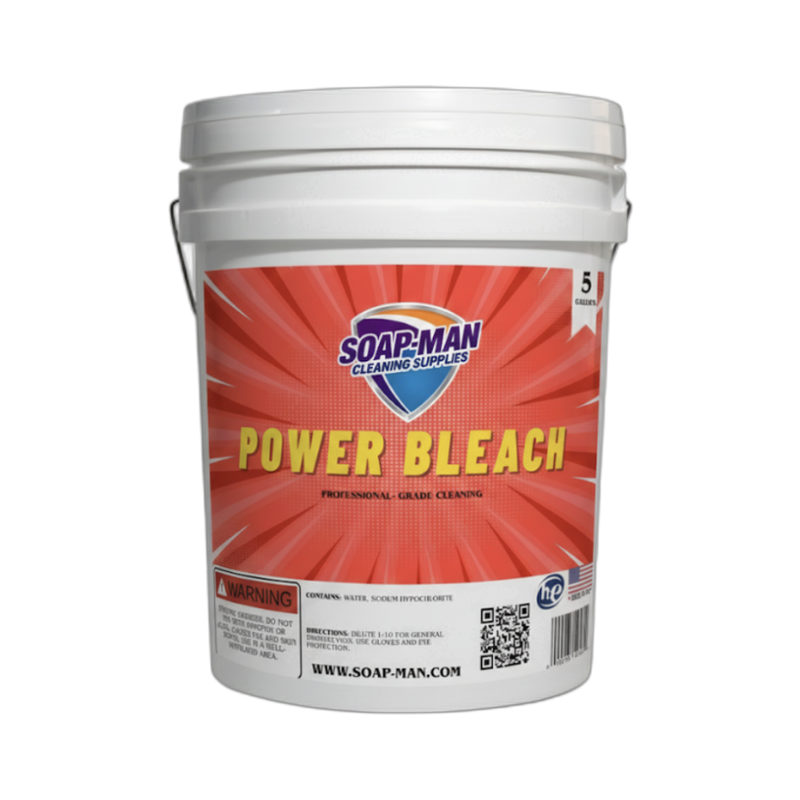
- A disinfectant — Power Bleach diluted for deep sanitization of hard surfaces.
- Baking soda — for carpet and fabric deodorizing.
- A UV blacklight — for finding invisible urine spots.
- A vacuum with HEPA filter.
- Microfiber cloths.
- An air purifier with activated carbon — for airborne odors.
- Washable pet bedding.
Step-by-Step: Systematic Pet Odor Removal
Step 1: Find the Hidden Sources
Turn off the lights and scan your carpet, upholstery, and baseboards with a UV blacklight. Dried urine glows greenish-yellow. You'll likely find 2-4 times more spots than you knew about. Mark each one with painter's tape. Don't skip this step — cleaning only what you can see leaves hidden sources active.
Step 2: Treat Urine Spots with Enzyme Cleaner
Apply enzyme cleaner generously to every marked spot — enough to saturate the carpet and reach the padding below. Let it dwell for at least 15 minutes. Blot heavily with white towels. Repeat for stubborn spots. See our dedicated pet urine removal guide for the full method.
Step 3: Wash Everything That's Washable
Pet beds, blankets, pillow covers, couch throws, curtains, slipcovers, and any fabric the pet touches regularly — wash it all in hot water with detergent. Add a cup of baking soda to the wash to neutralize odors. Dry on high heat if the fabric allows. Wash pet bedding weekly going forward.
Step 4: Deep Vacuum All Soft Surfaces
Vacuum carpets, rugs, couches, and cloth chairs thoroughly with a HEPA-filter vacuum. Pet dander is microscopic and normal vacuums just blow it back into the air. Use upholstery attachments to reach into couch cracks and under cushions where dander accumulates.
Step 5: Sprinkle Baking Soda on Carpets and Upholstery
Dust a thin layer of baking soda over carpets and fabric furniture. Let it sit for 30 minutes (or overnight for serious odors). Vacuum thoroughly. Baking soda absorbs odors at a molecular level — it doesn't just cover them. Repeat every 2-4 weeks as part of routine cleaning.
Step 6: Clean Hard Surfaces
Wipe down floors, baseboards, furniture legs, door frames, and any surface at pet height with a general cleaner. Pay special attention to areas where pets rub against walls (common spots near beds and food areas). For tile and sealed wood, a disinfectant does a final pass.
Step 7: Address Airborne Odors
Run an air purifier with an activated carbon filter in the main living areas. Change HVAC filters more frequently (every 30-60 days with pets instead of 90). Open windows daily for at least 15 minutes to exchange stale air. These three steps together handle the airborne portion of pet odor that surface cleaning can't touch.
Pro Tips
- Clean pet bowls daily. Saliva residue grows bacteria and produces sour odors that drift into the whole kitchen.
- Brush pets weekly. Removes loose dander and hair before they reach your furniture and carpet.
- Use washable covers on furniture. Washing the cover is infinitely easier than deep-cleaning the couch.
- Don't mask with air fresheners. They combine with pet odors to create something worse, not better.
Common Mistakes
- Only cleaning visible messes. Most odor sources are invisible. Systematic cleaning is the only solution.
- Using scented products to cover smells. Mixes the pet odor with fragrance into a worse smell.
- Ignoring the HVAC system. Pet dander circulates through the ducts and spreads everywhere.
FAQ
I can't smell my pets but visitors can. Why?
Olfactory adaptation. Your nose becomes desensitized to smells you're exposed to constantly. Visitors walking in from outside notice everything. The smell is real — you've just stopped registering it.
How long does full pet odor removal take?
A systematic deep clean takes one full day. Results should be noticeable within 24 hours. For severely odor-saturated homes, multiple treatment rounds over a week may be needed.
Can I use vinegar to remove pet smells?
Vinegar helps with some mild odors and is safe for most surfaces, but it doesn't break down the uric acid crystals in urine. For serious pet odor problems, enzyme cleaners are more effective.
My carpet still smells after cleaning. What's next?
The odor is likely in the carpet padding or subfloor. You may need a professional extraction treatment, or in severe cases, to replace the carpet and pad in affected areas. Some smells are beyond surface cleaning.
Do air purifiers really help with pet odors?
Yes, if they have an activated carbon filter. HEPA filters alone catch particles but don't absorb odor molecules — carbon does. A purifier with both filters running continuously makes a significant difference in airborne pet smells.