
Why Food Processors Need a Full Breakdown Clean
A food processor has more hidden crevices than any other countertop appliance. The bowl has a central spindle, the lid has a pusher tube with food chutes, the blade has a hollow center shaft, and the motor base has vents that collect flour and splatter. Food particles wedge into every gap, rot over a few days, and make the next batch of hummus taste like last week's onion. The rubber gasket around the lid is the worst offender — it traps liquid in a dark, warm environment that grows bacteria and mold. Cleaning a food processor is not wiping the bowl with a sponge. It is a full disassembly-and-scrub process that takes about five minutes if you do it right after use and twenty if you let it dry overnight.
What You'll Need
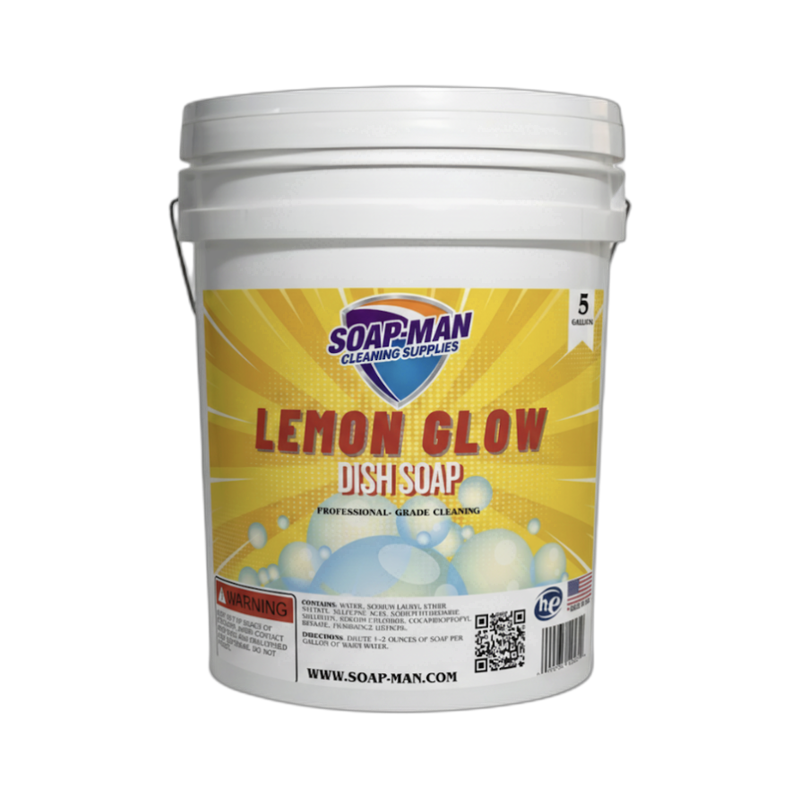
- Dish soap — Lemon Glow Dish Soap cuts grease and leaves no residue.
- Soft-bristled bottle brush — reaches the hollow blade shaft and the lid feed tube.
- Toothbrush or narrow detail brush — for the rubber gasket groove.
- Microfiber cloth — for the motor base.
- Warm water — never hot. Hot water warps plastic bowls over time.
Step-by-Step: How to Clean a Food Processor
Step 1: Unplug and Disassemble Fully
Unplug the unit before touching anything. Remove the lid, take out the blade or disc by lifting it straight up by the center hub — never the cutting edge — and lift the bowl off the motor base. Separate the pusher tube from the lid. You should now have five parts: lid, pusher, bowl, blade, and motor base. Treat the blade with extreme caution throughout. It is sharp enough to take a fingertip off with casual handling.
Step 2: Rinse and Soap-Wash Every Removable Part
Rinse each piece under warm running water to flush loose food. Add a drop of Lemon Glow Dish Soap to a soft sponge and wash the bowl, lid, and pusher tube, paying attention to the inside of the feed chute where food slides down. For the blade, hold it by the plastic hub and use a bottle brush to clean both sides of the cutting surface — never run a sponge along the edge with your fingers. Work the brush through the hollow shaft in the center of the blade where thick food pastes collect.
Step 3: Detail the Rubber Gasket Groove
Flip the lid over and find the rubber sealing gasket. Pry it out with your fingernail or a plastic tool — do not use metal. Wash the gasket with soap, then use a toothbrush to scrub the groove it sat in. This is where hidden liquid and food sludge collects. Rinse the groove, dry it completely with a microfiber cloth, and press the gasket back in place. If the gasket is cracked or no longer seals, replace it — most manufacturers sell them for a few dollars.
Step 4: Wipe the Motor Base and Reassemble
Never submerge the motor base. Wipe it with a damp microfiber cloth, then follow with a dry cloth. Use a toothbrush to clear the vent slots on the bottom or back of the unit — trapped flour and dust in the vents cause the motor to overheat. Let every part air-dry fully on a dish rack. Reassemble only when everything is bone dry. Trapped water in the bowl seal will drip into the motor base during the next use.
Pro Tips
- Clean immediately after use. Food that dries on the blade hub and inside the feed tube turns to cement within an hour. Rinsing everything within five minutes of use cuts cleaning time by 90 percent.
- Run a soap-and-water pulse cycle for quick cleans. Fill the assembled bowl halfway with warm water, add a drop of dish soap, pulse ten times, then pour out and rinse. This loosens most residue before you even disassemble.
- Store the lid off the bowl. Stacking the lid onto a stored bowl traps moisture and grows mildew in the rubber gasket. Air out both pieces separately.
FAQ
Are food processor parts dishwasher safe?
Most bowls and lids are marked dishwasher safe on the top rack only, but the heat and detergent shorten their lifespan noticeably. Blades should always be hand-washed — dishwashers dull the cutting edges and vibrate them against other items. Check your manual before assuming anything.
How do I get garlic or onion smell out of the plastic bowl?
Make a paste of baking soda and water, coat the inside of the bowl, and let it sit for 30 minutes before rinsing. For persistent odors, add a tablespoon of white vinegar to the wash water. Plastic absorbs strong odors — sometimes multiple treatments are needed.
Water is getting into the motor base — what do I do?
Stop using it and let it dry fully for 48 hours in a warm, dry spot. Then test on an empty bowl. If it sparks, smokes, or runs erratically, the motor is compromised and needs service. Water under the motor base means the bowl was stored wet or the drip seal is worn.
Can I put the blade in a knife block?
No. Food processor blades are designed to sit in the plastic hub of the bowl when not in use. Storing them loose is a finger-slicing accident waiting to happen. Always return the blade to the bowl or store it in a hard plastic case.