
Your Garage Floor Is Probably the Dirtiest Floor in Your Home
Garage floors absorb everything: motor oil drips from every car you've ever parked there, tire marks from daily driving, road salt tracked in during winter, lawn mower grease, paint drips from home projects, and years of accumulated dirt and dust. Because it's "just the garage," most people never clean it until the stains are so severe they're considering selling the house.
The good news is that even a severely stained garage floor can be cleaned. It requires stronger chemistry and more physical effort than cleaning an interior floor, but the transformation is dramatic. A clean garage floor looks better, smells better, resists future staining, and makes the entire garage feel like a usable space instead of a dumping ground.
What You'll Need
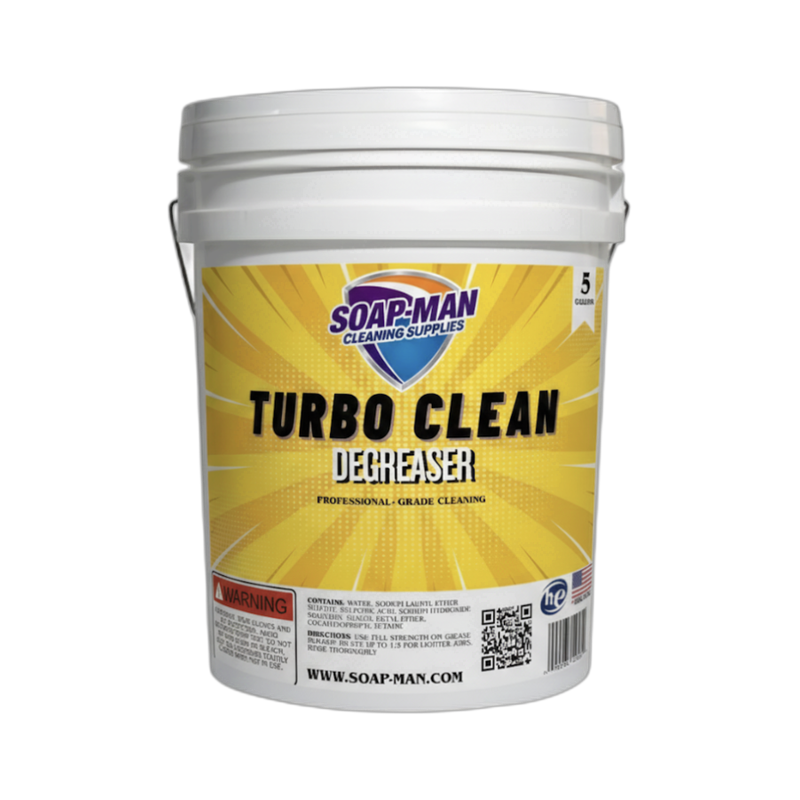
- Degreaser — Turbo Clean Degreaser for dissolving oil, grease, and embedded automotive grime.
- Stiff-bristled push broom
- Garden hose with spray nozzle — or a pressure washer for severe buildup.
- Cat litter or sawdust — for absorbing fresh oil spills.
- Bucket
- Safety glasses and rubber gloves
- Squeegee — for pushing water toward the garage door.
Step-by-Step: How to Clean a Garage Floor
Step 1: Clear Everything Out
Move cars, bikes, toolboxes, storage, and everything else off the floor. You need access to every square foot — stains hide under and around stored items, and cleaning solution needs to reach everywhere. This is the hardest part of the job, but it's not optional. Cleaning around items leaves dirty patches and misses the stains that matter most (under the car is where oil drips accumulate).
Step 2: Sweep Thoroughly
Sweep the entire floor with a stiff push broom, moving all debris, dust, leaves, and loose dirt toward the garage door opening. Pay attention to corners, along walls, and around floor drains. A leaf blower speeds this up for large garages. Remove everything before introducing water — debris mixed with water creates a muddy mess that's harder to clean than starting dry.
Step 3: Pre-Treat Oil and Grease Stains
Apply Turbo Clean Degreaser full-strength to every visible oil and grease stain. Let it sit for 15-20 minutes — the degreaser needs time to penetrate into the concrete pores where the oil has been absorbed. For old, dark stains that have been there for months or years, pour degreaser on the stain, cover with cat litter to create a poultice, and let it sit overnight. The cat litter absorbs the oil as the degreaser draws it out of the concrete.
Step 4: Scrub the Entire Floor
Dilute degreaser in a bucket of hot water according to label directions. Pour the solution across a section of floor and scrub with a stiff push broom, using firm overlapping strokes. Work from the back of the garage toward the door so you're always pushing dirty water toward the exit. For the pre-treated stain areas, scrub extra aggressively — the degreaser has loosened the oil, and the scrubbing action lifts it from the concrete pores. Work in sections, scrubbing each area thoroughly before moving forward.
Step 5: Rinse and Repeat if Needed
Rinse the entire floor with a garden hose, flushing all dirty water out through the garage door opening. For stubborn stains, apply degreaser again, scrub again, and rinse again — some old stains need two or three rounds. A pressure washer on a medium setting (1,500-2,500 PSI) is highly effective for the rinse step, as the water pressure helps lift residual grime from the concrete texture. Squeegee any remaining standing water toward the door. Let the floor dry completely before moving anything back in.
Pro Tips
- Clean on a warm, dry day. Warm temperatures help the degreaser work faster and the floor dries faster afterward. Don't clean your garage floor in cold or rainy weather — the degreaser is less effective in cold temperatures, and the floor won't dry properly.
- Address oil drips at the source. If your car leaks oil, place a drip pan or oil-absorbing mat under the engine. Cleaning the floor is pointless if the car drips oil on it again the same day. Fix the leak or catch the drips.
- Consider sealing or coating after cleaning. A clean garage floor is the perfect time to apply an epoxy coating or concrete sealer. These products prevent future oil absorption, make cleanup effortless, and transform the garage from a grimy utility space into a clean, finished room. The preparation you just did (cleaning and degreasing) is the most important step for coating adhesion.
Common Mistakes
- Using dish soap as a degreaser. Dish soap can't handle automotive oil and grease on concrete. It foams up, doesn't penetrate the concrete pores, and leaves a slippery residue that's worse than the original stain. Use a proper degreaser formulated for heavy-duty grease on hard surfaces.
- Not rinsing thoroughly. Degreaser residue on a garage floor creates a slippery surface that's dangerous to walk on, especially when wet. Rinse at least twice, and test a spot by walking on the wet floor — if it feels slippery, rinse again.
- Cleaning only the stained areas. If you clean just the oil stains, the clean spots will stand out against the surrounding dirty concrete — and the floor will look worse, not better. Clean the entire floor so the result is uniform.
FAQ
Can I use bleach on my garage floor?
Bleach is a disinfectant, not a degreaser — it's not effective against oil, grease, and automotive grime. It also doesn't work well on concrete's alkaline surface. Use a degreaser for garage floor cleaning. Save bleach for mildew stains in damp garages, where it's effective against the biological growth but not the grease stains.
How do I remove tire marks from a garage floor?
Tire marks are rubber deposits, not stains — the rubber has transferred from the tire to the concrete. Apply degreaser full-strength, let it sit for 20 minutes, and scrub with a stiff brush. For persistent tire marks, a pressure washer on a medium-high setting is very effective. Some tire marks on rough concrete may lighten but not fully disappear — they're embedded in the texture of the concrete itself.
Is a pressure washer necessary for garage floor cleaning?
Not necessary, but very helpful. A stiff brush, good degreaser, and garden hose can clean any garage floor. A pressure washer makes the job faster, more effective on textured concrete, and more satisfying. If you don't own one, they're available at equipment rental stores for $50-$75 per day. For a severely stained garage, the rental is worth it.
How often should I clean my garage floor?
Sweep monthly. Address oil spills immediately (cat litter, then degreaser). Full deep clean once or twice a year. If you have a sealed or coated floor, it needs less frequent deep cleaning because stains can't penetrate — a monthly mop is usually sufficient.
My garage floor has cracks. Should I clean before repairing?
Yes, always clean first. Crack filler and patching compounds adhere better to clean concrete. Degrease the area around each crack, clean out any debris inside the crack with a wire brush, and let everything dry completely before applying filler. If you repair first and clean later, the cleaning chemicals can soften or dissolve the fresh repair material.