
Why Your Garbage Disposal Smells
Garbage disposals are one of the most under-cleaned appliances in the kitchen. People assume that grinding food and rinsing with water does the job — but it doesn't. Bits of food get trapped on the blades, the grinding ring, the splash guard, and the upper walls of the chamber. Those particles decompose, grow bacteria, and release the sour, funky odor that drifts up through the drain whenever you run the sink.
The smell isn't in your P-trap or your drain. It's inside the disposal itself, coating surfaces you can't see from the top. Cleaning a disposal means physically removing that layer — not just masking it with a citrus rind. This guide walks you through the method that actually works, including how to clean the parts you can't reach by hand.
What You'll Need
- Rubber gloves — thick ones.
- A flashlight.
- A stiff-bristled scrub brush — ideally one with a long handle for reaching into the chamber.
- Baking soda — one cup.
- White vinegar — one cup.
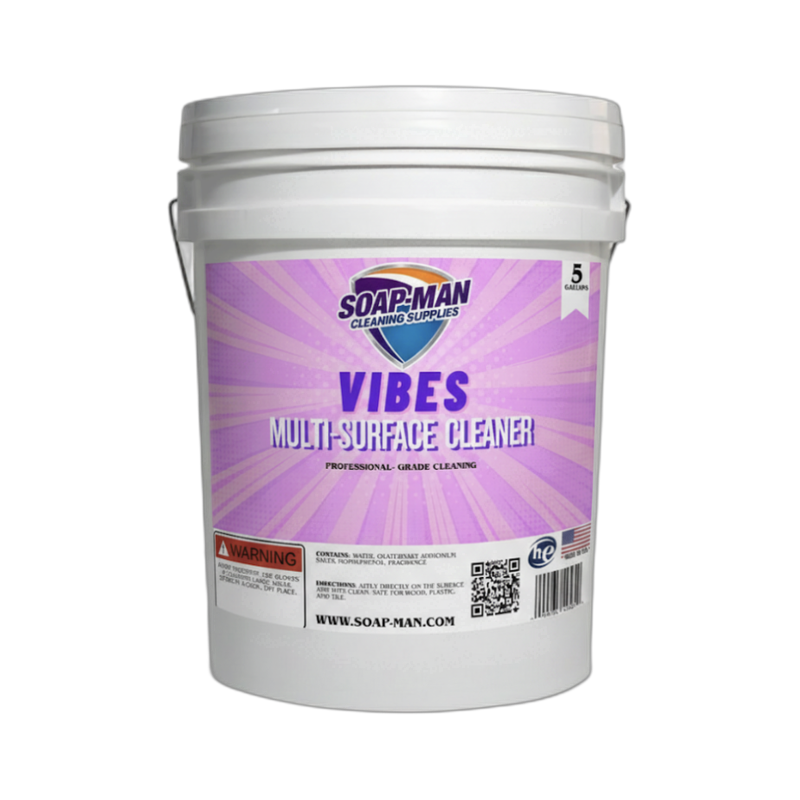
- A quality degreaser — Vibes Multi-Surface Cleaner cuts through grease and food buildup.
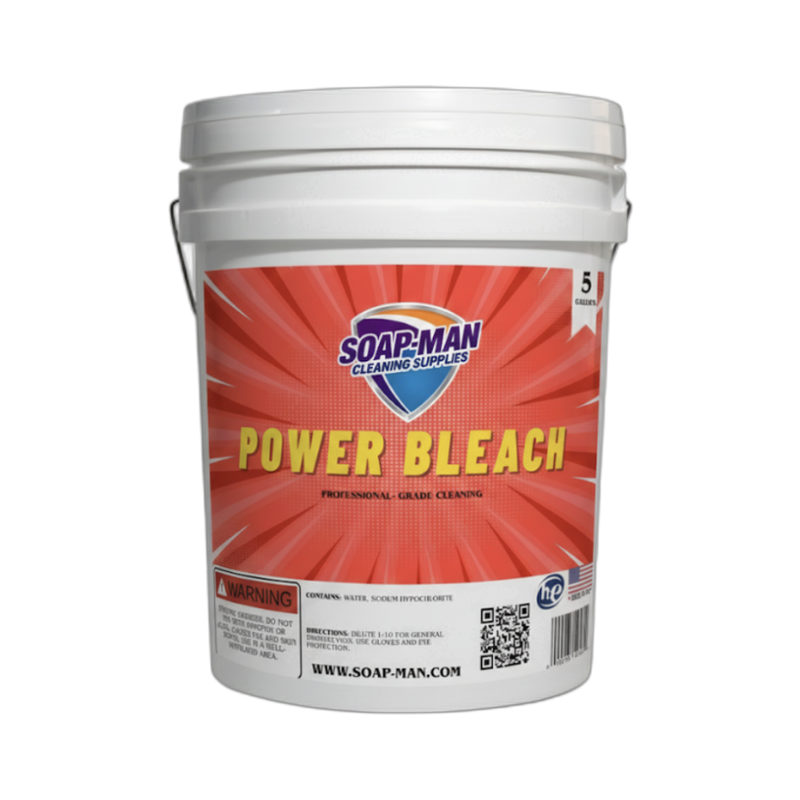
- Commercial-grade bleach — Power Bleach at a very dilute concentration for deep sanitization.
- Ice cubes and rock salt — for the grinding step.
- Dish soap.
- A citrus peel — orange or lemon, for the finishing step.
Step-by-Step: The Professional Disposal Cleaning Method
Step 1: Cut Power and Inspect
Before any cleaning, flip the switch that powers the disposal — and ideally unplug it at the outlet under the sink. This is non-negotiable. Shine a flashlight down the drain to inspect the chamber. You'll probably see food particles, discoloration, and a greasy film coating the upper walls and splash guard. That's what you're about to remove.
Step 2: Clean the Splash Guard
The rubber splash guard is the flexible flap at the top of the disposal. It's the single dirtiest part and the biggest source of smell. With gloved hands, fold back each flap and scrub the underside with a soft brush dipped in dish soap or diluted cleaner. You'll be shocked at the buildup. If the splash guard is removable (many modern models are), take it out and wash it in the sink with hot water and degreaser.
Step 3: Scrub the Chamber Walls
With the power still off, use a long-handled stiff brush to scrub the inside walls of the disposal chamber. Work in circles, reaching up as high as you can into the upper area where food particles accumulate. Rinse your brush frequently with hot water. A quality degreaser like Vibes Multi-Surface Cleaner makes this step much more effective.
Step 4: Grind Ice and Rock Salt
Restore power to the disposal. Fill the chamber with two cups of ice cubes and half a cup of rock salt. Turn on cold water and run the disposal until all the ice is ground up. The ice sharpens the grinding edges, and the salt scours away remaining food particles bonded to the blades and ring. This step is the one that gets at the hard-to-reach surfaces.
Step 5: Deodorize and Finish
Pour one cup of baking soda down the drain, let it sit for 5 minutes, then slowly pour in one cup of white vinegar. You'll see foaming. Let it bubble for 10 minutes. Then flush with hot water for 30 seconds while running the disposal. For the final touch, grind a few strips of citrus peel (lemon or orange) with cold running water. The peels leave a clean scent and the citric acid acts as a mild degreaser.
Pro Tips
- Clean weekly. The 5-minute ice-and-salt step alone prevents 90% of odor problems.
- Run cold water before and after every use. Cold water solidifies any grease so the disposal can grind it up rather than letting it coat the walls.
- Never pour grease down the disposal. It coats everything and creates the film you've been cleaning out.
Common Mistakes
- Using hot water while grinding. Melts grease, which then coats the chamber instead of flushing away.
- Pouring bleach straight into the disposal. Corrodes rubber components over time. Use diluted bleach sparingly, only for deep sanitization.
- Skipping the splash guard. This is where most of the smell lives — cleaning the chamber without the guard is half a job.
FAQ
How often should I clean my garbage disposal?
Do a light weekly cleaning (ice and salt grind, plus a quick splash guard wipe). Do a deep clean once a month using the full method above.
Can I put my hand in the disposal to clean it?
Never — even with the power off. Use tongs or a long brush. Disposal blades are sharp enough to cause serious injury even when the motor isn't running, and there's always a risk of accidental power restoration.
What foods should I never put down the disposal?
Grease, oil, fibrous vegetables (celery, onion skins, artichoke leaves), coffee grounds, eggshells, bones, rice, pasta, and fruit pits. These either clog the drain, wrap around the blades, or expand in the pipe.
Can I use a commercial drain cleaner in my disposal?
No. Commercial drain cleaners are corrosive and can damage disposal seals, gaskets, and rubber components. Use the gentler baking soda and vinegar method for routine maintenance.
My disposal still smells after cleaning. What now?
If the smell persists after a thorough cleaning, the problem may be in the drain line downstream of the disposal rather than in the unit itself. Run hot water with dish soap for 3 minutes to flush the pipe. If the smell continues, a buildup may exist farther down the drain and may need a plumber's attention.