
Why Glass Cooktops Require a Specific Method
Glass cooktops are made of ceramic glass — strong under heat but easy to scratch with the wrong tools. Sugar-based spills are the worst offender because sugar melts into the hot glass and forms a pitting bond that etches the surface permanently if you do not remove it while the stove is still warm. Grease splatter cooks onto the surface with every burner cycle until it builds a hazy yellow film. Steel wool, abrasive powders, and razor scrapers used incorrectly leave hairline scratches that grow into permanent dull patches. The correct method uses pH-neutral cleaners, a dedicated scraper at the right angle, and the stove's own residual heat to do most of the work.
What You'll Need
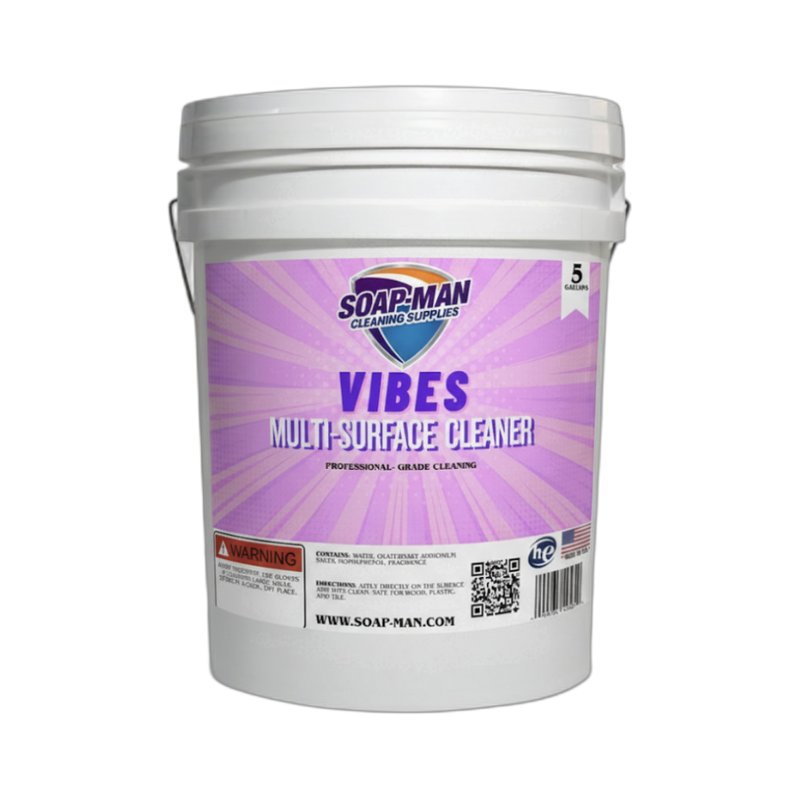
- Glass cooktop cleaner or multi-surface cleaner — Vibes Multi-Surface Cleaner is safe on ceramic glass.
- Cooktop scraper with a single-edge razor — held at 45 degrees, not flat.
- Microfiber cloths — lint-free, two of them.
- Baking soda — for burnt-on residue.
- Warm water and white vinegar — for streaks.
Step-by-Step: How to Clean a Glass Cooktop
Step 1: Let the Cooktop Cool — But Not Too Much
Wait until the surface is warm to the touch, not hot. A slightly warm cooktop releases spills more easily than a fully cold one, but a hot surface will flash-boil any cleaner you spray on it and burn your hand. If a spill just happened and the stove is still cooking temperature, turn the burner off and wait ten minutes. Never wipe a hot cooktop with a wet cloth — the thermal shock can crack the glass.
Step 2: Scrape Off Raised Food Debris
Hold a cooktop scraper at a 45-degree angle — not flat, not upright — and push burnt food and raised residue off the glass in long strokes. The razor blade slides along the glass at that angle without biting in. Never use a kitchen knife, a metal spatula, or anything with a corner — those create gouges. Keep the scraper moving; stopping in one spot and pressing creates scratches. Collect the debris on a paper towel as you work.
Step 3: Spray and Wipe With Cleaner
Spray Vibes Multi-Surface Cleaner generously over the entire surface, not just the burners. Wait 30 seconds to let it dissolve grease and film, then wipe in a circular motion with a microfiber cloth. For burnt-on stains that the scraper did not lift, sprinkle baking soda directly on the stain, spray a little water to form a paste, and let it sit for 10 minutes before gently scrubbing with a damp microfiber cloth. The baking soda is a mild abrasive that will not scratch glass but will break down carbonized food.
Step 4: Rinse, Dry, and Polish
Wipe the entire surface with a clean microfiber dampened with warm water to remove cleaner residue, then dry immediately with a second clean microfiber. For a streak-free polished finish, lightly spray a 50/50 mix of white vinegar and water across the surface and buff dry in small circles. The vinegar breaks surface tension and pulls streaks flat. The glass should look glassy and seamless when done.
Pro Tips
- Clean sugar spills while the stove is still warm. Sugar bonds to hot glass permanently within minutes. If you see a sugar boil-over, turn off the burner, move the pot, and wipe with a damp cloth on a paper towel while the stove is warm enough to keep the sugar soft but cool enough to handle.
- Never use abrasive powders like Comet or Bar Keepers Friend. They are designed for stainless steel and porcelain, not ceramic glass. They leave circular scratch patterns that show up under certain light angles.
- Wipe down after every cooking session. A 20-second wipe with a damp cloth after every use prevents 95 percent of the buildup that requires scrapers and baking soda later.
FAQ
How do I remove a rainbow or oil-slick stain on my cooktop?
That rainbow sheen is usually a thin layer of cooked-on oil that has oxidized. Spray with multi-surface cleaner, let it sit for 5 minutes, then buff aggressively with a clean microfiber. If it persists, use a baking soda paste and scrub gently. Rainbow stains are not damage — they are residue.
Can I use glass cleaner like Windex on a cooktop?
Glass cleaners are mostly fine, but many contain ammonia which can streak on hot surfaces. A dedicated glass cooktop cleaner or a multi-surface cleaner formulated for appliances is safer and more effective on grease.
My cooktop has permanent-looking white cloudy spots. Can I fix them?
White cloudy spots are usually hard water mineral deposits or etched-in spill residue. A paste of Bar Keepers Friend can help, but test a small area first — it is abrasive enough to dull the finish if you scrub too hard. Apply with a soft cloth, not a sponge.
Is it safe to use a razor scraper on a glass cooktop?
Yes, if it is a single-edge razor held at 45 degrees and kept moving. Dedicated cooktop scrapers come with the right blade. Never use it flat, never press hard, and never let the corner catch — all three cause scratches.