
Why Tile Floors Get Dirty (Even When You Mop Regularly)
If your tile floors always seem dirty despite regular mopping, the problem is almost certainly one of two things: product buildup or grout staining. Most people use too much cleaning solution when they mop. The excess product doesn't get rinsed away — it dries on the tile surface and creates a sticky film that attracts and holds dirt. Within days of mopping, the floor looks just as dirty as before, sometimes worse.
The second issue is grout. Tile surfaces are relatively easy to clean because they're smooth and non-porous (for ceramic and porcelain). But the grout between tiles is porous — it absorbs spills, cleaning products, and foot traffic soil. Over time, grout darkens and makes the entire floor look dirty, even when the tiles themselves are clean.
This guide covers how to properly clean every type of tile floor, how to restore stained grout, and how to maintain that clean appearance between deep cleans. Whether you're maintaining a home bathroom, a commercial lobby, or a restaurant floor, these are the methods professionals use.
What You'll Need
The right tools make tile floor cleaning significantly more effective and less physically demanding.
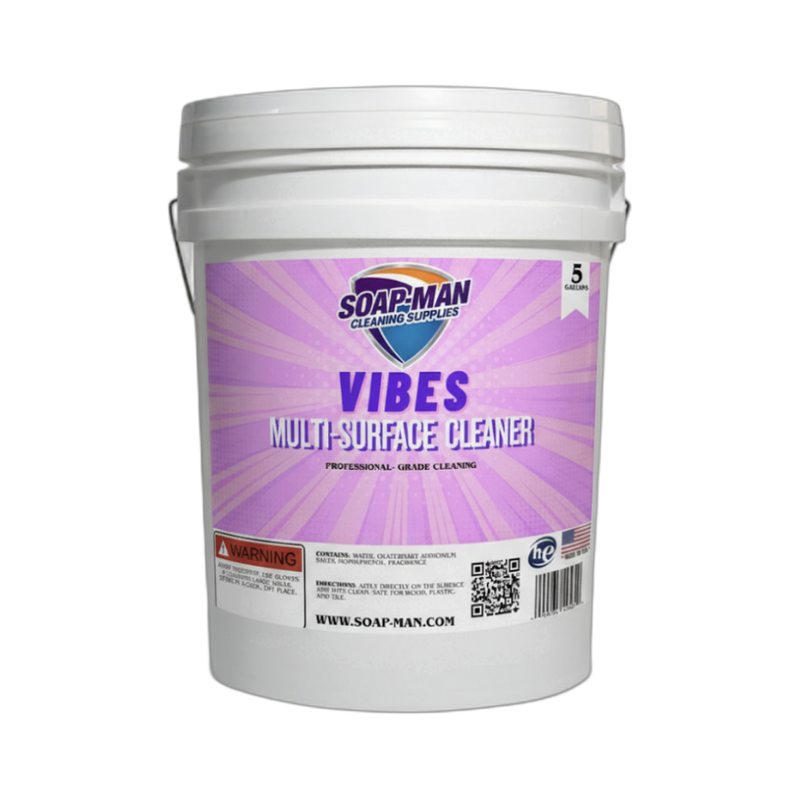
- Multi-surface cleaner — Vibes Multi-Surface Cleaner diluted at 1:32 to 1:64 is ideal for tile floors. It cleans effectively at low concentrations without leaving residue — the critical factor for tile floor maintenance.
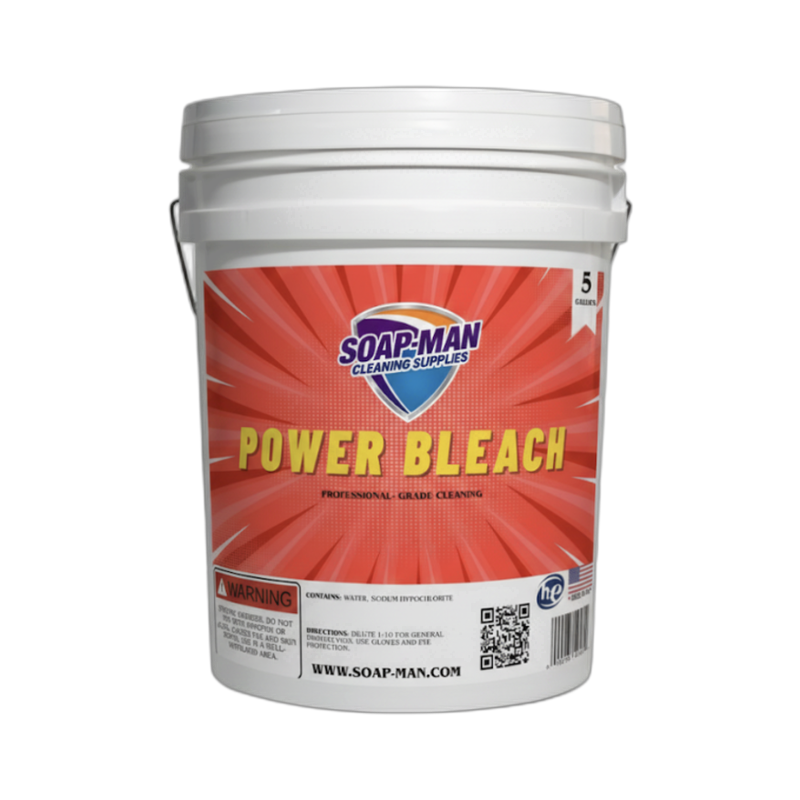
- Bleach solution — Power Bleach diluted per label directions for grout whitening and disinfection on appropriate tile types (ceramic and porcelain only — not natural stone).
- Microfiber flat mop — Flat mops with microfiber pads clean more effectively than string mops. They apply even pressure, hold less solution (preventing over-wetting), and are easier to wring out.
- Two buckets — One for clean solution, one for rinse water. The two-bucket method prevents putting dirty water back onto clean tiles.
- Grout brush — A stiff-bristled brush designed for grout lines. An old toothbrush works for small areas, but a proper grout brush with a handle saves your knees and back for large floors.
- Vacuum or broom — For dry debris removal before mopping.
- Spray bottle — For targeted grout treatment.
- Knee pads (optional) — If you're scrubbing grout by hand on a large floor, these aren't optional — they're essential.
Step 1: Identify Your Tile Type
Before cleaning, know what you're working with. Different tile materials have different tolerances for cleaning products and techniques.
Ceramic Tile
Ceramic tile is made from clay fired at high temperatures and coated with a glaze. The glaze creates a hard, non-porous surface that resists stains and tolerates most cleaning products. Ceramic is the most forgiving tile type for cleaning — you can use alkaline cleaners, bleach solutions, and vigorous scrubbing without damage.
Porcelain Tile
Porcelain is a denser, harder version of ceramic tile. It's fired at higher temperatures and absorbs less water (less than 0.5% by weight). Porcelain is available in glazed and unglazed versions. Glazed porcelain cleans like ceramic. Unglazed porcelain is slightly more porous and can absorb staining agents if spills aren't cleaned promptly.
Natural Stone Tile
Marble, slate, travertine, limestone, and granite are all natural stone. These tiles are significantly more delicate than ceramic or porcelain. They're sensitive to acidic and highly alkaline cleaners, can be etched by vinegar and citrus, and require pH-neutral cleaning products specifically designed for stone. Never use bleach, vinegar, or ammonia-based cleaners on natural stone.
Step 2: Dry Clean First
Always start with dry debris removal. Mopping over loose dirt, sand, and grit grinds these particles against the tile surface, creating micro-scratches that dull the finish over time. This is especially damaging to polished porcelain and natural stone.
Vacuum the floor thoroughly using a hard-floor setting (no beater bar — the spinning brush scratches tile and catches on grout lines). If using a broom, use one with fine, soft bristles that captures dust rather than pushing it around. Pay extra attention to corners, along baseboards, and in high-traffic areas where grit accumulates.
Step 3: Mop with the Right Technique
The Two-Bucket Method
Fill one bucket with your diluted cleaning solution: Vibes Multi-Surface Cleaner at 1:32 for general cleaning or 1:64 for light maintenance. Fill the second bucket with clean rinse water.
Dip your mop into the cleaning solution, wring out thoroughly (the mop should be damp, not dripping), and mop a section of floor. Then rinse the mop in the rinse water bucket, wring out again, and go over the section a second time to remove cleaning solution residue. Move to the next section and repeat.
This method prevents you from constantly putting dirty, solution-heavy water back onto the floor. Change the rinse water when it gets cloudy.
Work in Sections
Mop in manageable sections — roughly 4 feet by 4 feet. This ensures the cleaning solution stays wet long enough to do its job but doesn't dry on the surface (which creates residue). Work toward an exit so you don't mop yourself into a corner.
Avoid Over-Wetting
This is the most common mistake in tile floor mopping. Too much water pools in grout lines, seeps under tile edges, and takes hours to dry. Over time, excessive water can weaken grout and adhesive, leading to loose tiles. The mop should leave a thin, even film of moisture that dries within a few minutes — not standing puddles.
Step 4: Deep Clean the Grout
Even with regular mopping, grout darkens over time. This is because grout is cementitious — it's porous and absorbs everything it contacts. A dedicated grout cleaning session every few months keeps it looking fresh.
For Light Grout Staining
Make a paste of baking soda and water. Apply it along the grout lines and let it sit for 10 minutes. Scrub with a grout brush using firm pressure. Rinse with clean water and mop dry. This handles surface-level discoloration caused by normal foot traffic.
For Moderate Grout Staining
Mix equal parts baking soda and hydrogen peroxide (3%) into a paste. Apply to grout lines and let it sit for 15-20 minutes. The hydrogen peroxide has a mild bleaching effect that whitens grout without the harshness of chlorine bleach. Scrub with a grout brush and rinse thoroughly.
For Heavy Grout Staining (Ceramic and Porcelain Only)
Dilute Power Bleach according to the label directions. Apply to grout lines using a spray bottle, being careful to keep it on the grout and off natural stone or colored surfaces. Let it sit for 10-15 minutes. Scrub with a grout brush and rinse thoroughly with clean water. Bleach is the most effective grout whitener for heavily stained ceramic and porcelain tile floors.
Never use bleach on natural stone grout or colored grout — it will discolor both. For stone floors with stained grout, use a stone-safe grout cleaner or hire a professional.
Seal the Grout After Cleaning
Clean grout that isn't sealed will re-stain quickly. After a deep grout cleaning, apply a penetrating grout sealer according to the product directions. This fills the pores in the grout and prevents future staining. Most grout sealers last 1-2 years before reapplication is needed.
Cleaning Specific Stains on Tile Floors
Grease and Cooking Oil
Apply diluted multi-surface cleaner directly to the stain. Let it sit for 5 minutes to break down the grease. Scrub with a non-abrasive pad and rinse. For kitchen tile floors near cooking areas, this is a weekly issue — address it promptly before it gets ground into the grout.
Soap Scum (Bathroom Floors)
Soap scum builds up on bathroom tile floors from shower overspray and drips. Apply multi-surface cleaner and let it sit for 5 minutes. Scrub with a stiff brush, paying attention to the grout lines where soap residue accumulates. Rinse thoroughly. For persistent bathroom soap scum, a light vinegar solution (1:4 vinegar to water) is effective on ceramic and porcelain — but never on natural stone.
Rust Stains
Rust stains on tile usually come from metal furniture legs, cans, or tools left on wet tile. For ceramic and porcelain, apply a paste of lemon juice and salt. Let it sit for an hour, then scrub and rinse. For stubborn rust, a commercial rust remover formulated for tile is more effective. Never use bleach on rust — it can set the stain permanently.
Mold and Mildew (Bathroom Floors)
Mold grows in grout lines in humid bathrooms. For ceramic and porcelain, apply diluted Power Bleach directly to the affected grout. Let it sit for 15 minutes. Scrub with a grout brush and rinse. To prevent recurrence, improve bathroom ventilation (run the exhaust fan during and 30 minutes after showers) and squeegee the floor after bathing.
Pro Tips
- Less product is more. On tile floors, the ideal cleaning solution concentration is lower than you think. Over-concentrated solution leaves residue that attracts dirt faster. Start at the recommended dilution and only increase concentration for heavily soiled areas.
- Change your rinse water frequently. Dirty rinse water defeats the purpose of the two-bucket method. Change it as soon as it starts to look cloudy — for a large floor, this might be every 2-3 sections.
- Steam mops work well on sealed tile. Steam mops clean and sanitize without chemicals. They're excellent for ceramic and porcelain tile. However, don't use them on natural stone (the heat can damage certain stones) or on floors with compromised grout (steam can force moisture into gaps and loosen tiles).
- Address spills on grout immediately. Anything that sits on grout long enough will stain it. Wipe up spills as soon as they happen, especially on unsealed grout. Wine, coffee, and food coloring are the worst offenders.
- Avoid vinegar on natural stone. This cannot be overstated. Vinegar etches marble, travertine, and limestone on contact. The damage is permanent and can only be fixed by professional re-polishing. Use only pH-neutral cleaners on natural stone tile floors.
- Door mats prevent the problem. Eighty percent of floor soil comes from outside. Quality door mats at every entrance capture grit and dirt before it reaches your tile floors. This single step reduces cleaning frequency and prevents abrasive wear on tile surfaces.
Common Mistakes
Using Too Much Cleaning Solution
The number one mistake. Excess solution dries on the tile surface and grout, creating a film that makes the floor look dirty and feel sticky. Within days, dust and foot traffic soil stick to this film and the floor looks worse than before you mopped. Always dilute properly and use a well-wrung mop.
Using a Dirty Mop
If your mop pad or string mop hasn't been washed since the last use, you're spreading bacteria and grime across the floor. Microfiber pads should be laundered after every use. String mops should be rinsed thoroughly and hung to dry (not left sitting in a bucket of water, which breeds bacteria).
Skipping the Dry Sweep
Mopping over grit and sand scratches tile surfaces. This is particularly visible on polished tiles — hundreds of fine scratches create a hazy, dull appearance over time. Always sweep or vacuum before mopping. Every time.
Using Acidic Cleaners on Natural Stone
Vinegar, lemon juice, and acidic bathroom cleaners etch natural stone. This creates dull spots and rough patches that no amount of cleaning will fix. If you have natural stone tile floors, invest in a pH-neutral stone cleaner and keep all acidic products away from those surfaces.
Neglecting Grout Sealing
Unsealed grout is like a sponge on your floor — it absorbs everything. Spills, cleaning products, and foot traffic soil permanently stain unsealed grout. Sealing after installation and resealing every 1-2 years prevents this problem entirely and makes ongoing grout maintenance dramatically easier.
Frequently Asked Questions
How often should I mop tile floors?
High-traffic areas (kitchens, entryways, bathrooms) should be mopped weekly. Low-traffic areas can go 2-3 weeks between mopping. Sweep or vacuum all tile floors 2-3 times per week to prevent grit from scratching the surface. Commercial spaces with heavy foot traffic may need daily mopping.
Can I use bleach on tile floors?
Bleach is safe for ceramic and porcelain tile and is excellent for grout whitening and bathroom disinfection. Never use bleach on natural stone tile, as it can discolor and damage the stone. Always dilute bleach properly and rinse thoroughly after use — bleach residue left on tile can make surfaces slippery.
Why does my tile floor look hazy after mopping?
Haze after mopping is almost always caused by cleaning product residue. You're using too much solution, not rinsing adequately, or your rinse water is too dirty. Switch to the two-bucket method, reduce your cleaning solution concentration, and make sure your rinse pass actually removes product rather than redistributing it.
How do I restore grout that's permanently stained?
If deep cleaning with baking soda, peroxide, and bleach doesn't restore your grout, the staining has penetrated too deep for surface treatment. Your options are: grout colorant (essentially paint for grout — covers discoloration and seals simultaneously), professional cleaning with commercial-grade equipment, or regrouting (removing old grout and replacing with new). Grout colorant is the most cost-effective option for most homeowners.
Is it worth hiring professionals for tile floor cleaning?
Professional tile and grout cleaning uses truck-mounted equipment that generates far more cleaning power and extraction than consumer tools. For heavily neglected floors with deeply stained grout, professional cleaning is often the most cost-effective option — it delivers better results in a single session than multiple DIY attempts. After professional cleaning, maintaining the results yourself is straightforward with proper technique and sealed grout.