
Why Your Keurig Needs Regular Cleaning
A Keurig has two cleaning problems that tap water-based coffee makers don't have: the reservoir grows biofilm and mold, and the internal heating system collects mineral scale from your water. Both affect taste, and both shorten the life of the machine. A Keurig that's been cleaned regularly lasts for years and produces consistent coffee. A neglected one starts throwing error messages, brewing weaker coffee, and eventually quits entirely.
The two critical cleaning tasks are descaling (removing mineral buildup from the internal water lines and heating element) and deep cleaning (scrubbing the exterior parts that harbor mold and coffee residue). This guide covers both, plus the shortcuts that prevent the problem in the first place.
What You'll Need
- White vinegar — the cheap grocery-store kind is perfect. You'll need about 48 ounces.
- Keurig descaling solution — optional alternative to vinegar, sold by Keurig.
- Fresh water — for multiple rinse cycles.
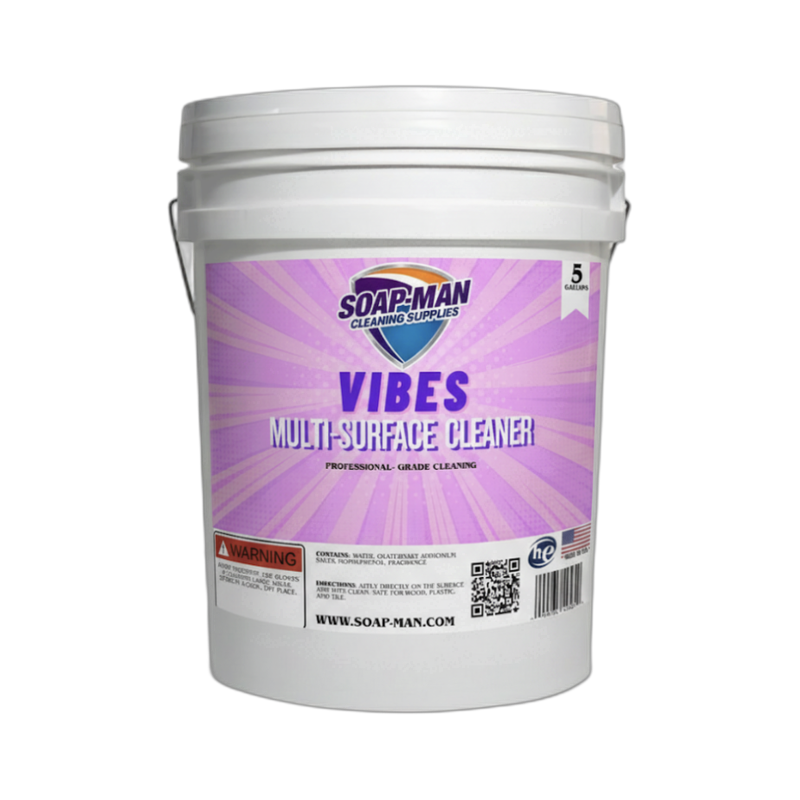
- A multi-surface cleaner — Vibes Multi-Surface Cleaner for the exterior and drip tray.
- A non-scratch sponge or microfiber cloth.
- A paper clip or needle cleaning tool — Keurig sells these for the pod needle.
- A soft-bristled brush — an old toothbrush works.
- Dish soap.
Step-by-Step: The Full Keurig Cleaning Process
Step 1: Unplug and Disassemble
Unplug the Keurig from the wall. Remove any pod from the holder. Take off the water reservoir and lid. Remove the drip tray and drip tray cover. Remove the pod holder by squeezing the sides (depending on your model).
Step 2: Wash the Removable Parts
Wash the water reservoir, drip tray, drip tray cover, and pod holder in warm soapy water. Use a soft brush to get into corners. Rinse thoroughly and set aside to air dry. Do not use the dishwasher unless your manual explicitly says it's safe — the high heat warps plastic reservoirs.
Step 3: Clean the Pod Needle
The needle that punctures the top of each K-Cup pod collects coffee grounds and develops clogs over time. Use a straightened paper clip or Keurig's cleaning tool to gently poke into the needle from the bottom to push out any grounds. Do not bend the needle or push hard — a damaged needle causes permanent brewing problems.
Step 4: Wipe Down the Exterior
Spray a multi-surface cleaner like Vibes Multi-Surface Cleaner onto a microfiber cloth (never directly onto the machine) and wipe down the outside, the lid, and the area around the pod chamber. Clean the drip tray platform and the lower water line area, which accumulates coffee splatter.
Step 5: Descale the Internal System
Fill the empty reservoir with 48 ounces of white vinegar (or Keurig descaling solution mixed according to label). Place a large mug on the drip tray. Without inserting a pod, press the brew button to run a full cycle. Discard the mug contents into the sink. Repeat this process until the reservoir is nearly empty.
Once empty, let the machine sit for 30 minutes with vinegar still in the internal lines to dissolve mineral buildup. Then rinse the reservoir thoroughly with fresh water.
Step 6: Rinse with Fresh Water
Fill the reservoir with fresh water and run repeated brew cycles until the vinegar smell and taste are completely gone. This usually takes 3-4 full reservoirs of water. Skipping this step means your next coffee will taste like vinegar.
Step 7: Reassemble
Reattach all clean, dry parts. Plug in the machine and run one more cycle of fresh water before making your first coffee. Your Keurig is now clean and descaled.
Pro Tips
- Use filtered water in the reservoir. Filtered water has fewer minerals, which means less scale buildup and longer descaling intervals.
- Empty the reservoir daily. Standing water grows biofilm and bacteria. Refill with fresh water each morning.
- Descale every 3 months. If you have hard water, do it monthly. The machine will also tell you when it's time via the descale light.
Common Mistakes
- Skipping the rinse cycles. Vinegar in your first coffee is a memorable lesson.
- Running a pod during descaling. Wastes the pod and contaminates the descaling solution.
- Ignoring the pod needle. A clogged needle causes weak coffee and eventually brewing errors.
FAQ
How often should I clean my Keurig?
Wipe the exterior and drip tray weekly. Wash the reservoir weekly. Descale every 3 months with regular use, or whenever the "descale" light comes on. Deep clean the pod needle monthly.
Can I use something other than vinegar to descale?
Yes. Keurig sells a branded descaling solution that works equally well. Citric acid powder (2 tablespoons dissolved in 48 ounces of water) is another effective option. Don't use apple cider vinegar — the residue and smell are harder to rinse out than white vinegar.
My Keurig says "descale" even after I descaled it. What now?
Reset the descale light by holding the brew button for 5 seconds (method varies by model — check your manual). If the light returns quickly, your water has significant mineral content and you may need to descale more frequently, use filtered water, or run one additional full descale cycle.
Is it safe to leave water in the reservoir?
For a day or two, yes. For longer, no. Standing water grows bacteria and develops a stale taste. Empty the reservoir when you'll be away for more than two days.
Can I put the water reservoir in the dishwasher?
Check your model's manual. Most Keurig reservoirs are not dishwasher safe — the high heat warps the plastic. Hand wash with warm soapy water to be safe.