
Understand Your Leather First
Not all leather is the same, and cleaning one type like another can cause irreversible damage. The main categories are aniline (natural, unsealed, very absorbent), semi-aniline (lightly protected), and protected/pigmented leather (coated with a polymer finish — most modern furniture). Aniline leather is the most delicate and absorbs liquids instantly. Pigmented leather is the most forgiving and handles gentle cleaning without issue. Before cleaning any leather furniture, check the care label or manufacturer guidelines — and always test cleaners in a hidden spot first.
This guide covers the cleaning methods for all three types, plus the conditioning step that most people skip and the common mistakes that crack, fade, or dry out leather prematurely.
What You'll Need
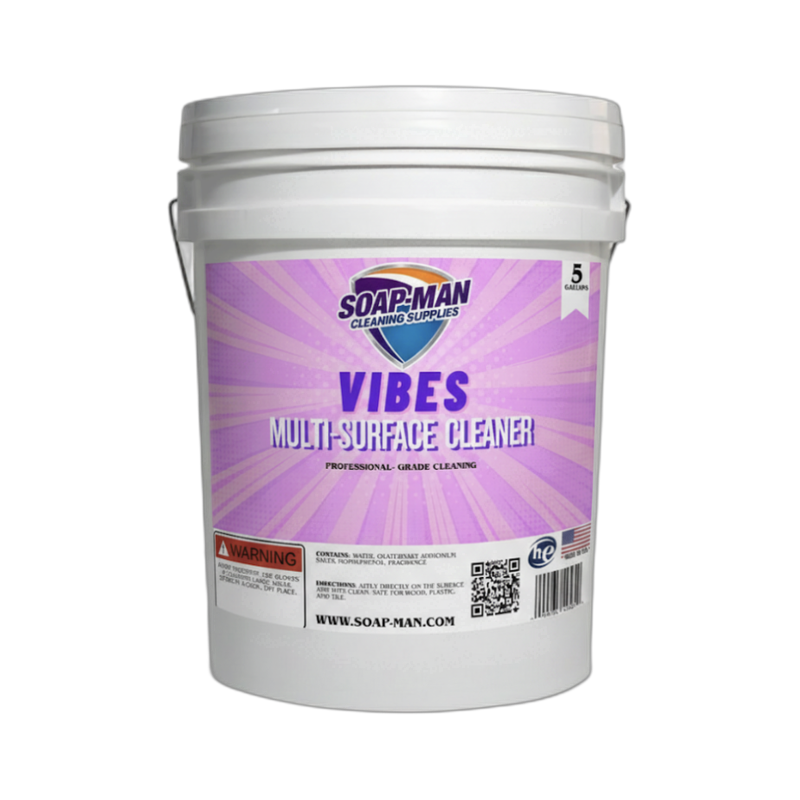
- A gentle cleaner — Vibes Multi-Surface Cleaner well-diluted is safer than most "leather cleaners" for protected leather.
- Dedicated leather conditioner — not cleaner, conditioner. A separate product.
- Microfiber cloths — soft, lint-free.
- Distilled water.
- A soft-bristled brush.
- A dry white towel.
- A vacuum with brush attachment.
Step-by-Step: Cleaning Protected/Pigmented Leather (Most Furniture)
Step 1: Vacuum First
Use a soft brush attachment to vacuum the entire piece, including cracks and crevices where dust and crumbs collect. Never skip this step — rubbing a wet cloth over gritty dust grinds particles into the leather finish and creates permanent scratches.
Step 2: Test in a Hidden Spot
Even protected leather can react unpredictably to cleaners. Apply a tiny amount of your cleaning solution to a hidden area (inside the arm, under a cushion). Wait 10 minutes. If the leather looks unchanged, you're safe to proceed.
Step 3: Mix a Gentle Solution
Combine a few drops of mild cleaner with a cup of distilled water. Use distilled water (not tap) because minerals in tap water can leave residue on leather. The solution should be weak — leather needs less cleaning than people assume.
Step 4: Damp-Wipe the Surface
Dip a soft microfiber cloth in the solution and wring it out until it's barely damp. Wipe the leather in small circular motions, working section by section. Never saturate the leather — moisture causes spotting, mildew, and long-term fiber damage.
Step 5: Remove Stains Carefully
For ink, pen marks, or concentrated stains, don't reach for harsh chemicals. Most leather stains respond to gentle persistence: dab (don't rub) with the damp cloth, let it work for a moment, dab again. For stubborn stains, a tiny drop of gentle cleaner applied directly to the stain and dabbed with a clean cloth usually works.
Step 6: Dry with a Soft Towel
Wipe the cleaned leather with a dry white towel to absorb any remaining moisture. Don't use colored towels — dyes can transfer to light-colored leather.
Step 7: Apply Leather Conditioner
This step is critical and almost always skipped. Cleaning removes not just dirt but also some of the natural oils that keep leather supple. Without conditioning, the leather slowly dries out and cracks. Apply a small amount of leather conditioner to a clean microfiber cloth and work it into the leather in circular motions. Let it absorb for the time specified on the label, then buff with a dry cloth.
Cleaning Aniline and Semi-Aniline Leather
These types are much more delicate. Skip any cleaning solution and use only a slightly damp cloth with distilled water for general cleaning. For stains or significant cleaning needs, use only a product specifically labeled for aniline leather. When in doubt, hire a professional — damaging these leathers is easy and hard to reverse.
Pro Tips
- Condition every 6-12 months. Prevents drying, cracking, and stiffness. Skipping this is why leather furniture ages badly.
- Keep out of direct sunlight. UV dries and fades leather faster than almost anything else.
- Blot spills immediately. Fresh spills on protected leather wipe up easily; aged spills may leave permanent marks.
Common Mistakes
- Using household cleaners on aniline leather. Strips color and damages the surface.
- Skipping the conditioner step. Clean but unconditioned leather dries and cracks within months.
- Scrubbing stains aggressively. Damages the finish and often makes the stain worse.
FAQ
How often should I clean leather furniture?
Dust and vacuum weekly. Damp wipe monthly. Deep clean and condition every 6-12 months depending on use.
Can I use baby wipes on leather?
No. Baby wipes contain alcohol and chemicals that dry out leather over time. They may work for a spot emergency but cause damage with repeated use.
Is olive oil a good leather conditioner?
No. Olive oil sounds natural but becomes rancid, attracts dust, and can go sticky. Use a product specifically formulated for leather conditioning.
My leather is cracking. Can I fix it?
Minor dryness can be reversed with intensive conditioning over several weeks. Deep cracks are permanent and can only be hidden cosmetically with leather repair products. Prevention with regular conditioning is the only real solution.
Can I use a steam cleaner on leather?
Never. Steam saturates leather, strips oils, and can cause permanent discoloration and shrinkage. Leather cleaning is always gentle, dry, and minimal moisture.