
Why Your Mattress Is Filthier Than You Think
Mattresses absorb body oils, sweat, dead skin cells, pet dander, and occasionally spills or accidents. Over time, all of that creates an ecosystem for dust mites — microscopic arthropods that feed on skin flakes and trigger allergic reactions in millions of people. Studies have found anywhere from 100,000 to 10 million dust mites living in the average mattress.
The solution isn't a new mattress every few years. It's regular deep cleaning — something you can do at home with basic tools. This guide walks you through the full method, including how to remove stains, eliminate odors, and reduce dust mite populations.
What You'll Need
- A vacuum with HEPA filter and upholstery attachment.
- Baking soda — at least one box.
- A general cleaner — Vibes Multi-Surface Cleaner for spot cleaning.
- Hydrogen peroxide (3%) — for stain removal.
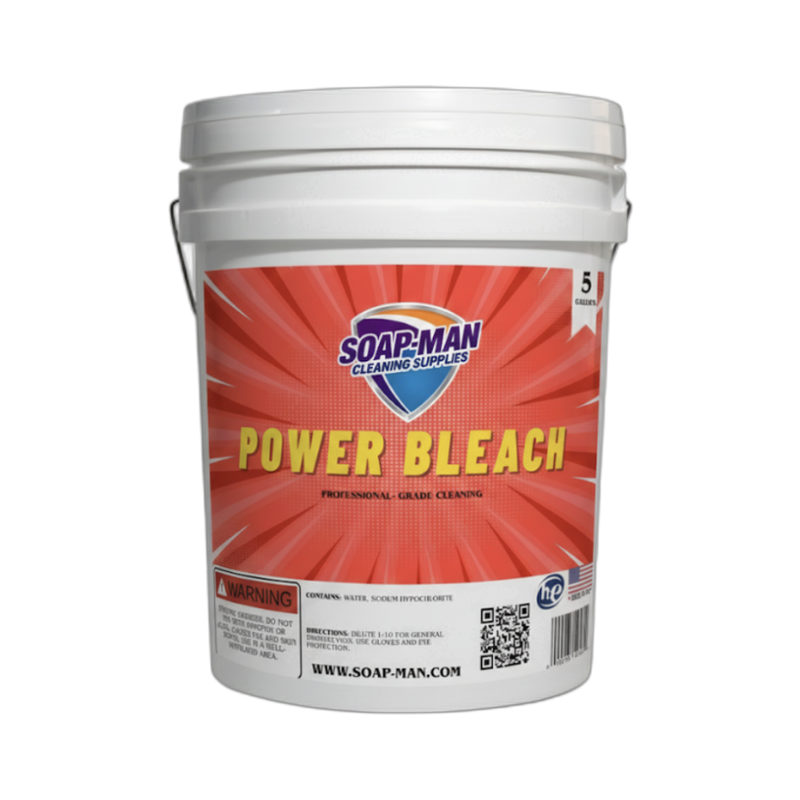
- A disinfectant — Power Bleach heavily diluted for sanitization (use with caution and test first).
- Clean white towels.
- Spray bottles.
- Essential oil (optional) — for deodorizing with baking soda.
- A stiff brush.
Step-by-Step: Deep Cleaning a Mattress
Step 1: Strip the Bed Completely
Remove all bedding — sheets, mattress protector, pillows, blankets. Wash everything in hot water while you work on the mattress. Hot water and detergent kill dust mites on fabric.
Step 2: Vacuum the Entire Mattress
Using a HEPA-filter vacuum with upholstery attachment, vacuum the entire top of the mattress thoroughly. Work in overlapping passes. Pay extra attention to seams, tufting, and corners — these spots hold the most debris. Then flip the mattress and vacuum the bottom. Dust mites live on both sides.
Step 3: Spot Treat Stains
Treat any visible stains before moving to overall cleaning. For most stains, mix a teaspoon of dish soap with a cup of cool water and apply with a clean white cloth, blotting (never rubbing). For blood stains, use cold water and hydrogen peroxide. For urine, use an enzyme cleaner. For sweat stains, mix hydrogen peroxide with a pinch of baking soda into a paste and apply to the stain.
Step 4: Sprinkle Baking Soda Across the Surface
Dust a generous layer of baking soda across the entire top of the mattress. For deodorizing, add 10-15 drops of essential oil (lavender is common) to the baking soda and mix before applying. Let it sit for at least 30 minutes — an hour is better for deodorizing, several hours for maximum effect.
Step 5: Vacuum Again Thoroughly
Vacuum up all the baking soda, working slowly in overlapping passes. The baking soda has absorbed odors, oils, and some moisture along with dust. The mattress should already look and smell noticeably better.
Step 6: Spot Sanitize If Needed
For mattresses with persistent odors or after an illness, a light spray of a disinfectant solution can help. Use diluted bleach only as a last resort and always test in a hidden area first — bleach can damage fabric. For safer disinfection, undiluted hydrogen peroxide lightly misted on the surface and allowed to dry is gentler and still effective.
Step 7: Air Out the Mattress
Let the mattress air out uncovered for several hours, ideally with windows open. If possible, drag the mattress outside on a sunny, dry day for a few hours — UV sunlight kills many dust mites and helps freshen the fabric.
Step 8: Protect Going Forward
Put on a quality mattress protector before replacing the sheets. A waterproof protector prevents future sweat and spill damage and can be washed weekly — making future deep cleans much easier.
Pro Tips
- Flip and rotate twice a year. Prevents permanent body impressions and extends mattress life.
- Wash the protector weekly. The protector is your first line of defense.
- Open bedroom windows daily. Fresh air reduces humidity and dust mite populations.
Common Mistakes
- Using too much water. Wet mattresses grow mildew that never fully dries out.
- Rubbing stains. Pushes the stain deeper and spreads it.
- Skipping the mattress protector. Prevention is easier than cleaning.
FAQ
How often should I clean my mattress?
Vacuum every month. Deep clean (baking soda treatment) every 3-6 months. Flip and rotate every 6 months (for flippable mattresses).
Can I steam clean a mattress?
Yes, but only with a handheld steamer used briefly — never saturate the mattress. Steam kills dust mites but excess moisture inside the mattress can cause mold. Use sparingly and let the mattress dry for at least 24 hours afterward.
My mattress has a urine stain. How do I clean it?
Blot up fresh liquid immediately. Apply an enzyme cleaner heavily enough to reach where the liquid penetrated. Let it dwell 15 minutes, then blot with clean towels. For dried urine, repeat the enzyme treatment multiple times. See our dedicated pet urine guide for the full method.
Can I wash a mattress in a washing machine?
No — not even the cover on most mattresses. The foam, springs, and padding inside cannot be machine-washed. Deep cleaning is done on the surface as described in this guide.
When should I replace my mattress instead of cleaning it?
If it sags badly, has permanent stains that can't be cleaned, creates new morning aches, or is more than 8-10 years old, cleaning is treating a symptom rather than the cause. Replace it.