
Why Pillows Need Cleaning
Pillows absorb everything your head and face produce overnight: sweat, skin oils, saliva, dead skin cells, and occasionally more. Over time, that buildup creates ideal conditions for dust mites — microscopic creatures that trigger allergies and worsen respiratory conditions. Researchers estimate that an unwashed pillow can double in weight over two years from accumulated mites, dander, and body fluids.
The fix is regular washing. But here's the catch: different pillow types need different methods. The wrong method destroys the pillow — flattens down, breaks memory foam, or bunches polyester into unusable clumps. This guide covers the correct method for each type.
What You'll Need
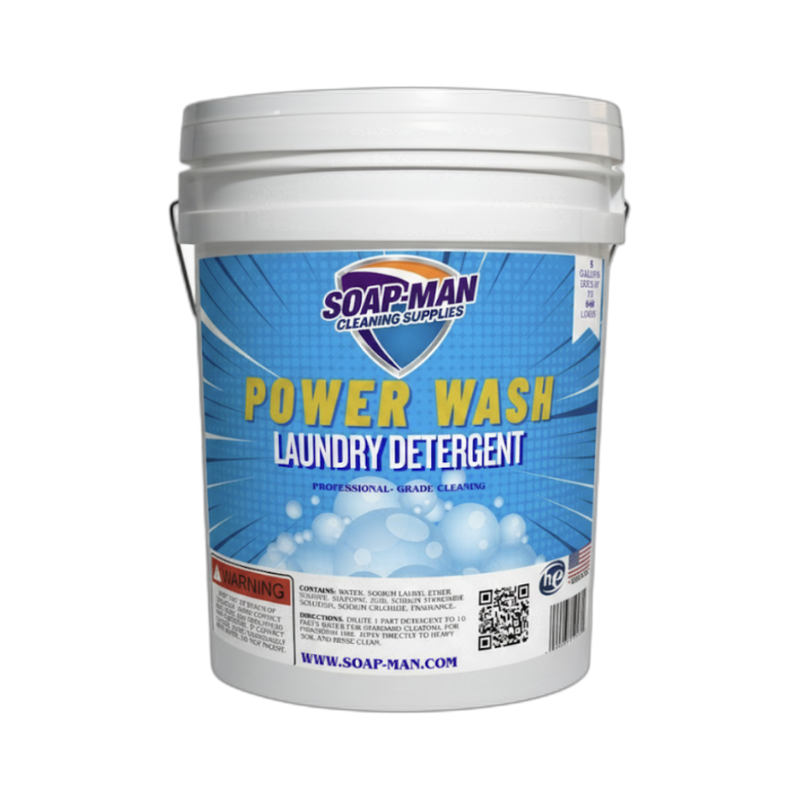
- A high-quality detergent — Power Wash Laundry Detergent for effective soil removal.
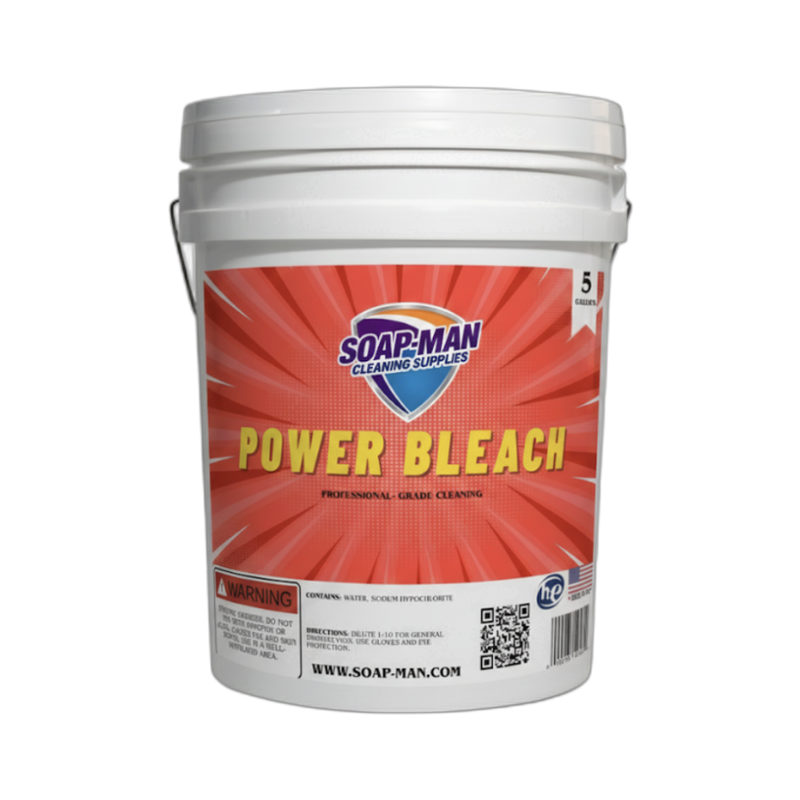
- Bleach (optional) — Power Bleach for whitening heavily stained pillows.
- A front-loading washer — or a top-loader without an agitator.
- A dryer.
- Dryer balls or clean tennis balls — for fluffing during drying.
- A soft brush — for spot cleaning.
- A clean spray bottle — for memory foam cleaning.
Washing Different Pillow Types
Down and Feather Pillows
Yes, you can wash down pillows — despite what you may have heard. Use a small amount of gentle detergent (too much leaves residue in the feathers), run on a delicate cycle with warm water, and use an extra rinse cycle to remove all soap. Wash two pillows at a time to balance the load. Dry on low heat with dryer balls or clean tennis balls to prevent clumping. Drying takes 2-3 hours and must be complete — any residual moisture causes mildew and rot.
Polyester Fiberfill Pillows
The easiest type to wash. Use warm water, a normal cycle, and standard detergent. Dry on low to medium heat with dryer balls to keep the fiberfill from clumping. These can handle more aggressive washing than down.
Memory Foam Pillows
Never put memory foam in the washing machine. Agitation destroys the foam's structure permanently. Instead, spot clean with a damp cloth and mild detergent solution. For deeper cleaning, submerge the pillow in soapy water in a bathtub, gently squeeze the foam to work water through, then rinse by squeezing until clean water comes out. Press (don't wring) excess water out and air dry flat for 24-48 hours.
Latex Pillows
Like memory foam, latex cannot be machine washed. Spot clean only with a damp cloth and mild soap. Air dry thoroughly out of direct sunlight (UV damages latex).
Buckwheat Pillows
The hulls inside can't be washed, but the cover can. Unzip the cover, pour the hulls into a clean container, wash the empty cover in the machine, then refill. Spread the hulls on a sheet in the sun for a few hours to kill any mites.
Step-by-Step: Machine-Washing Polyester and Down Pillows
Step 1: Check the Tag
Always check the care label first. If it says "dry clean only" or "spot clean," respect that — some pillows have fabric covers that can't handle water.
Step 2: Pre-Treat Stains
Apply a small amount of detergent directly to visible stains. Rub gently with a soft brush and let it sit for 5 minutes before washing.
Step 3: Wash Two at a Time
Washing two pillows balances the load and ensures thorough cleaning. Use a gentle cycle with warm (not hot) water.
Step 4: Use Less Detergent Than Usual
Pillows trap detergent residue more than clothing does. Use half the normal detergent amount to ensure everything rinses out.
Step 5: Add an Extra Rinse Cycle
A second rinse ensures no soap residue remains — critical for avoiding skin irritation and odor.
Step 6: Dry Thoroughly with Dryer Balls
Dry on low heat (high heat can damage the pillow). Add 2-3 dryer balls or clean tennis balls to prevent clumping. Stop every 30 minutes to fluff and redistribute the filling. Complete drying takes 1-3 hours. Don't remove the pillow until it's 100% dry — residual moisture causes mildew within days.
Pro Tips
- Use pillow protectors. Waterproof or breathable protectors extend pillow life dramatically and can be washed weekly without risk.
- Wash pillows every 6 months. More frequently if you have allergies or skin conditions.
- Replace pillows every 2-3 years. Even washed pillows eventually lose structure and accumulate allergens beyond what washing can remove.
Common Mistakes
- Washing memory foam. Destroys the foam permanently.
- Using too much detergent. Residue causes skin irritation and odor.
- Under-drying. Wet pillows mildew quickly and smell forever.
FAQ
How often should I wash my pillows?
Every 4-6 months is standard. Every 3 months if you have allergies, heavy sweating, or pets that sleep on your bed.
Can I wash pillows with other laundry?
No. Pillows need the full capacity of the machine to move properly and absorb detergent. Wash 2 pillows at a time, nothing else in the load.
My pillow smells bad even after washing. What now?
Try a second wash with an extra rinse. If it still smells, the filling may have mildew (from previous incomplete drying) and should be replaced. Pillows don't last forever.
Can I spot clean a pillow instead of washing it?
For small stains, yes. But spot cleaning doesn't address the dust mites and deep oils that only full washing removes. Make full washing part of your routine even if stains aren't visible.
Is it worth washing old pillows or should I just replace them?
If a pillow has lost its shape, developed lumps, or smells despite washing, replace it. Washing is maintenance, not restoration.