
Why Shower Drains Clog (And Why It's Almost Never a Plumbing Problem)
If water pools around your feet during a shower, you don't have a plumbing emergency — you have a hair and soap scum problem. Every shower sends a combination of shed hair, body oils, soap residue, and dead skin cells down the drain. Over weeks and months, this forms a sticky mass that narrows the pipe until water can barely pass through. The smell comes from bacteria feeding on that organic buildup. The fix is almost always something you can do yourself in 15 minutes without calling a plumber or buying expensive chemical drain cleaners. In fact, the chemical approach often makes things worse by damaging pipes without fully clearing the clog.
What You'll Need
- Rubber gloves — you're going to pull out things you'd rather not touch bare-handed.
- Needle-nose pliers or a drain snake — for extracting hair clogs from below the drain cover.
- Screwdriver — some drain covers are screwed in place.
- Baking soda and white vinegar — for dissolving soap scum and deodorizing.
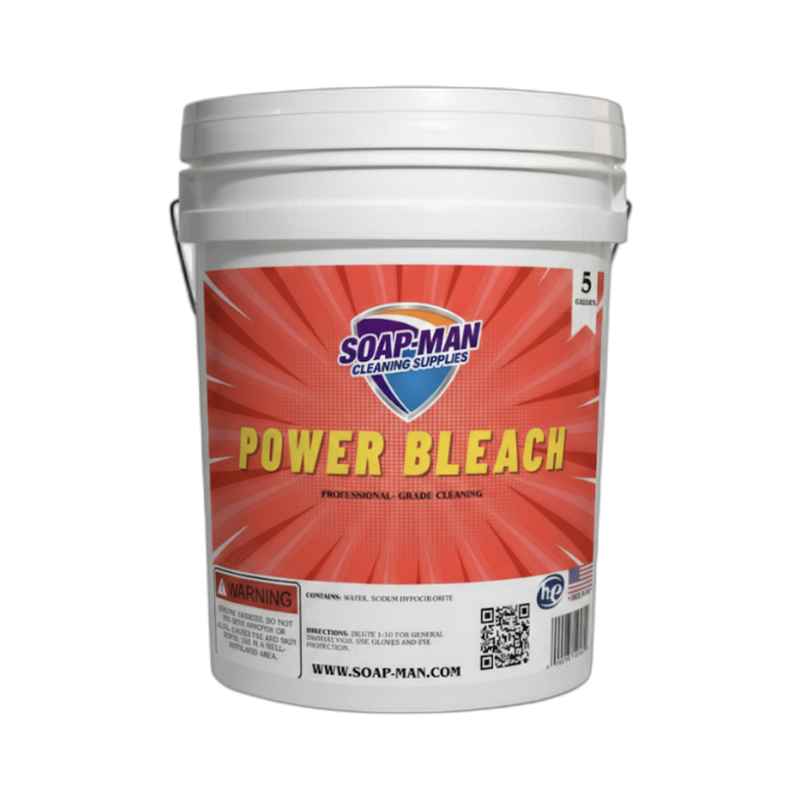
- Bleach cleaner — Power Bleach disinfects the drain area after clearing the clog and kills bacteria causing odors.
- A kettle of boiling water
- Old toothbrush — for scrubbing the drain cover and visible pipe walls.
Step-by-Step: How to Clean a Shower Drain
Step 1: Remove the Drain Cover
Most shower drain covers pop off by hand, pry up with a flathead screwdriver, or unscrew with a Phillips head. If yours is the snap-in type, slide a flathead screwdriver under the edge and lever it up gently. Set the cover aside — you'll clean it separately. Look down into the drain opening. If you can already see a mat of hair sitting in the first few inches, that's your clog. If the pipe looks clear from above, the blockage is farther down and you'll need a drain snake.
Step 2: Pull Out the Hair Clog
Put on your rubber gloves. Reach in with your fingers or needle-nose pliers and pull out whatever is sitting in the drain opening. It will be a wet, soapy clump of hair mixed with gunk. Don't try to rinse it back down — pull it out and put it directly in the trash. If the clog is deeper than your fingers can reach, feed a drain snake (a flexible plastic strip with barbs, available at any hardware store for a few dollars) down the pipe, twist it, and pull it back up. The barbs catch hair and pull the mass out. Repeat until the snake comes back clean.
Step 3: Flush with Baking Soda and Vinegar
With the bulk of the clog removed, pour half a cup of baking soda directly into the drain opening. Follow it with half a cup of white vinegar. The fizzing reaction helps break down remaining soap scum and organic residue clinging to the pipe walls. Let it fizz for 15 minutes — put the drain cover back loosely to keep the reaction inside the pipe where it's doing work. After 15 minutes, pour a full kettle of boiling water slowly down the drain to flush everything through. The hot water melts soap residue and pushes loosened debris down to the main sewer line.
Step 4: Disinfect and Deodorize
After the flush, spray Power Bleach around the drain opening and into the first few inches of the visible pipe. Let it sit for five minutes to kill bacteria that cause drain odors. Scrub the drain cover with an old toothbrush and the bleach cleaner — the underside of drain covers collects a biofilm of bacteria and soap scum that contributes to smell. Rinse everything with clean water and snap or screw the cover back into place.
Step 5: Test the Flow
Turn the shower on full blast and watch how fast the water drains. It should disappear within a few seconds with no pooling. If it's still slow, there may be a deeper clog that needs a longer drain snake (the 25-foot metal type from a hardware store) or the problem might be farther down the pipe system. If the first four steps don't solve it, that's when you call a plumber — but 90% of shower drain clogs are surface-level hair masses that clear easily with manual removal.
Pro Tips
- Install a drain hair catcher. A $5 silicone or stainless steel hair catcher over the drain opening prevents 90% of clogs from forming. Clean it after every shower — takes two seconds.
- Do a monthly baking soda flush. Even if the drain seems fine, a monthly baking soda and vinegar flush prevents buildup from reaching clog levels. Think of it as preventive maintenance.
- Never use chemical drain cleaners regularly. Products like Drano contain sodium hydroxide that can corrode PVC pipes and damage older metal pipes with repeated use. They also don't remove hair — they dissolve the soap scum around it, which means the hair mass stays and re-clogs faster.
Common Mistakes
- Pushing the clog deeper instead of pulling it out. Plunging a shower drain or using a bent hanger can push the hair mass farther down the pipe where it's harder to reach. Always pull toward you, never push down.
- Ignoring a slow drain until it's fully clogged. A drain that's starting to slow down is ten times easier to fix than one that's completely blocked. Address it at the first sign of pooling water.
- Pouring boiling water into a standing pool. If the drain is fully clogged and water is pooling, boiling water won't help — it just sits there and cools. Remove the clog mechanically first, then flush with hot water.
FAQ
How often should I clean my shower drain?
Remove visible hair from the drain cover after every shower if you shed noticeably. Do a full cleaning (remove cover, pull debris, baking soda flush) once a month. If multiple people with long hair use the shower, increase to every two weeks.
Is it safe to pour boiling water down a shower drain?
Yes, for metal and most PVC pipes. Pour slowly and directly into the drain opening, not onto the shower floor (especially if it's acrylic, which can warp from extreme heat). If your plumbing has old wax ring seals, excessive boiling water can soften them — but occasional use is fine for maintenance.
What causes the rotten egg smell from my shower drain?
Hydrogen sulfide gas produced by bacteria feeding on organic debris in the drain. The baking soda, vinegar, and bleach process in this guide eliminates it. If the smell persists after a thorough cleaning, the issue might be a dried-out P-trap (the curved pipe section that holds water to block sewer gas). Run the water for 30 seconds to refill the trap.
Can I use a plunger on a shower drain?
You can, but it's usually not the best approach for showers. Plungers work by creating pressure to push clogs through, but shower clogs are typically hair masses that compress but don't break apart. Manual removal with a drain snake is more effective. If you do plunge, use a flat cup plunger (not a flange plunger meant for toilets) and make sure there's enough water to create a seal.
When should I call a plumber?
Call a plumber if: the drain is still slow after manual cleaning and flushing, multiple drains in your home are slow simultaneously (which indicates a main line issue), or you hear gurgling from other drains when the shower runs. These signs point to a deeper problem that DIY methods can't reach.