
Why Stand Mixers Need Regular Deep Cleaning
A stand mixer is a metal tank with a powerful motor, and it sits in the path of every flour burst and batter splatter in your kitchen. Flour dust migrates into the motor vents, up into the planetary gear mechanism under the head, and along the hinge where the head tilts back. Butter and sugar residue cakes onto the underside of the head where the attachment shaft rotates. That hidden grime rarely comes off unless you deliberately go after it. The bowl, whisk, paddle, and dough hook are simple — soap and water handles those. The body is the part everyone skips and the part that needs attention most.
What You'll Need
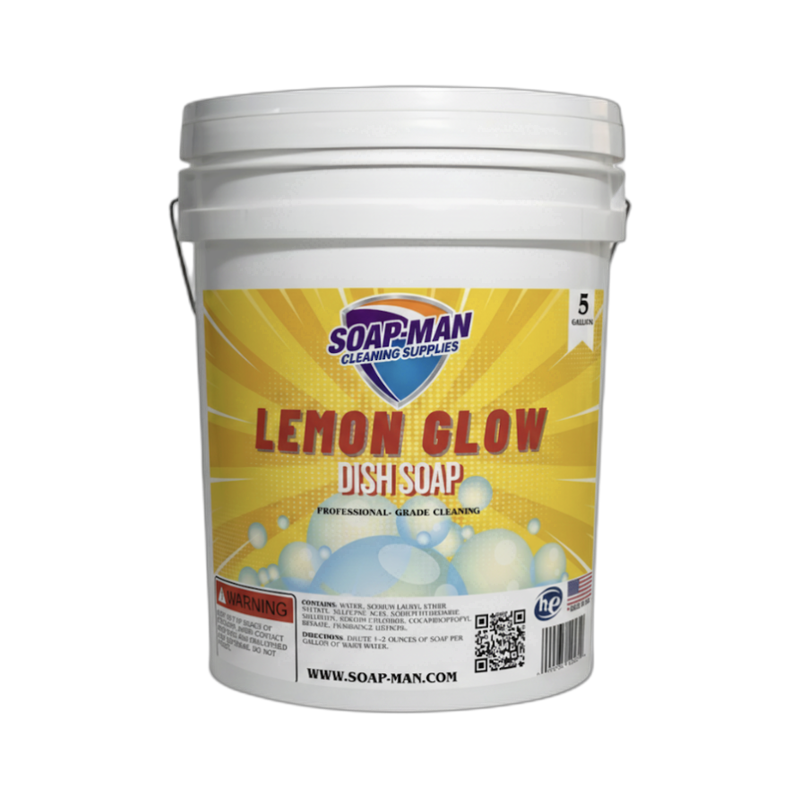
- Dish soap — Lemon Glow Dish Soap for the bowl and attachments.
- Microfiber cloths — two, one damp and one dry.
- Soft-bristled detail brush or old toothbrush — for crevices.
- Bamboo skewer or cotton swab — for tight seams and the attachment hub.
- White vinegar — for hard water deposits on stainless bowls.
Step-by-Step: How to Clean a Stand Mixer
Step 1: Unplug and Remove the Attachment and Bowl
Unplug the mixer before touching anything. Lift the head, remove the attachment by pushing up and turning, and lift out the bowl. Tilt the head back to its full raised position and lock it. This exposes the underside of the head and the planetary gear where attachments mount — the dirtiest zone on any stand mixer.
Step 2: Wash the Bowl and Attachments by Hand
Soak the bowl and the attachment in warm soapy water for 10 minutes to loosen dried dough and batter. Scrub with a soft sponge — never steel wool on stainless steel bowls, which leaves micro-scratches that trap future residue. For hard water spots, wipe with white vinegar and rinse. For plastic-coated attachments like the dough hook, check the manufacturer's notes; many are top-rack dishwasher safe but the coating fails faster from dishwasher use than from hand washing.
Step 3: Clean the Body and the Underside of the Head
Wring out a microfiber cloth until just damp — never wet. Wipe down the entire exterior of the mixer body, then flip the damp cloth and focus on the underside of the head where the attachment shaft lives. Use a toothbrush to scrub around the shaft where caked butter and flour mix into a grey paste. Get into the seam where the head meets the neck and the hinge where it tilts back. A bamboo skewer wrapped in a thin layer of the damp cloth works for tight grooves. Never spray cleaner directly onto the mixer — always apply to the cloth first so liquid does not run into the motor housing.
Step 4: Detail the Attachment Hub and Motor Vents
The attachment hub at the front of the mixer (the place where attachments like pasta rollers mount) collects flour dust and food splatter behind the cover. Pop off the cover, wipe inside with a dry cloth, and dust it out with a dry brush. Never use water here — it is a gear housing. Check the motor vents on the back or bottom of the mixer and clear flour dust with a dry brush or a can of compressed air. Replace the attachment cover, put the bowl and attachment back, and you are done.
Pro Tips
- Wipe after every use. A 30-second wipe-down with a damp cloth after each baking session prevents 95 percent of the buildup that makes quarterly deep cleans painful.
- Cover the mixer between uses. A simple cotton cover or a large dish towel draped over the machine keeps flour from other baking, cooking splatter, and general kitchen dust from accumulating on the finish.
- Never submerge or spray. The motor housing is not waterproof. Any direct water contact risks shorting the electronics or rusting internal components. Always clean with a damp cloth, never a wet one.
FAQ
Can I put the stainless steel bowl in the dishwasher?
Yes — all-metal KitchenAid bowls and similar brands are dishwasher safe. But hand-washing keeps them looking polished longer. Dishwasher detergent gradually dulls the mirror finish on the exterior.
My mixer head has a grey sticky residue underneath. What is it?
That is normal lubricating grease from the gear housing, mixed with flour dust. Wipe it with a dry paper towel. Do not use soap or solvents — they can break down the food-safe grease the mixer needs to operate. If the grease is leaking or pooling, the mixer needs service.
How do I clean under the tilting head hinge?
Tilt the head fully back, lock it, and use a cotton swab dipped in slightly soapy water to clean the hinge crevice. Follow with a dry swab. A toothpick wrapped in a corner of the cloth works for the deepest grooves.
Can I use vinegar on the mixer body?
On the stainless steel bowl, yes — it removes water spots beautifully. On the painted enamel body, no. Vinegar is mildly acidic and dulls the paint finish over time. Stick to dish soap and water on the body.