
Why Suede Needs Different Cleaning Than Every Other Material
Suede is leather with the smooth outer layer removed, leaving the soft, fuzzy underside exposed. That texture is what makes it look good — and what makes it so easy to damage. Water stains it, regular soap flattens the nap, and scrubbing too hard creates permanent bald spots. Most "ruined" suede shoes aren't actually ruined — they just had the wrong cleaning method applied. The key is working with the material's grain instead of against it, using gentle techniques that lift dirt without crushing the fibers. This guide covers everyday scuffs, stubborn stains, water damage, and long-term protection for all types of suede footwear.
What You'll Need
- Suede brush or clean soft-bristle toothbrush — the most important tool. Stiff-bristle brushes for nubuck work too.
- White pencil eraser or suede eraser — for lifting scuffs and dry stains.
- White vinegar or rubbing alcohol — for stubborn stains (safe for suede when applied correctly).
- Clean white cloths — colored cloths can transfer dye to wet suede.
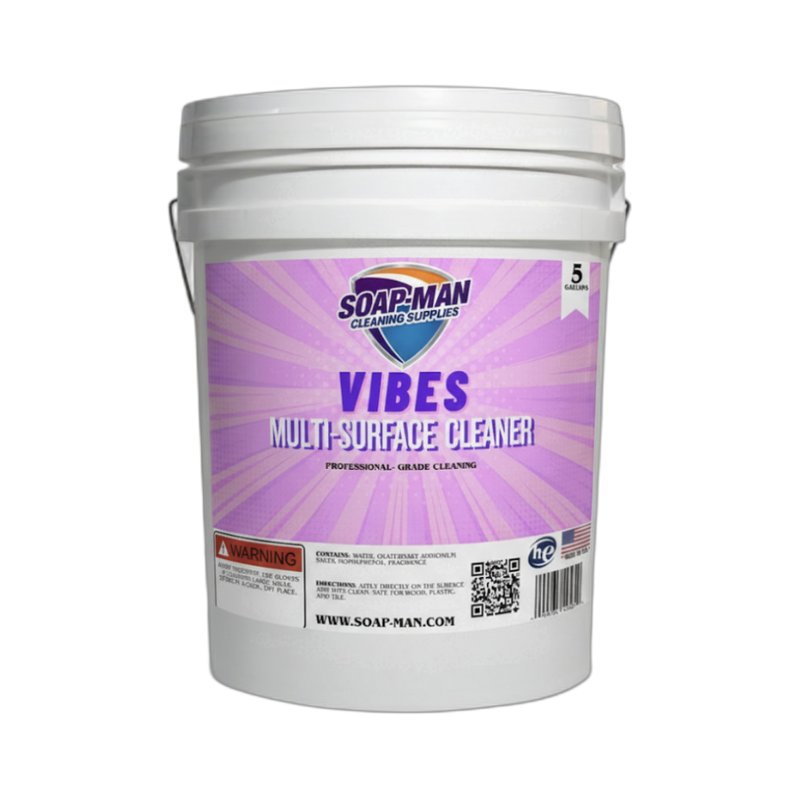
- Multi-surface cleaner — Vibes Multi-Surface Cleaner works for cleaning the rubber soles and non-suede portions of the shoe.
- Newspaper or shoe trees — for maintaining shape during drying.
- Suede protector spray — for after-cleaning waterproofing.
Step-by-Step: How to Clean Suede Shoes
Step 1: Let Them Dry Completely
If the shoes are wet or damp, stop. Do not attempt to clean wet suede — you'll grind the dirt deeper into the fibers and create permanent stains. Stuff the shoes with newspaper or paper towels to absorb moisture and maintain shape, then let them air dry at room temperature away from direct heat. Heaters, hair dryers, and sunlight cause suede to stiffen, crack, and fade. Drying typically takes 12 to 24 hours depending on how saturated they are. Once completely dry, proceed to cleaning.
Step 2: Brush Away Surface Dirt
Using a suede brush or soft toothbrush, brush the entire shoe in one direction following the grain of the nap. This removes loose dirt, dust, and dried mud without pushing it deeper. For scuffed areas where the nap has been flattened, brush back and forth more vigorously to raise the fibers. The goal is to restore the even, velvety texture before addressing any stains. This step alone solves most minor dirtiness — many suede shoes just need a good brushing, not a deep clean.
Step 3: Treat Stains with the Right Method
Different stains require different approaches on suede. For dry scuffs and marks, rub a white pencil eraser (not pink — the dye can transfer) over the spot with moderate pressure. The eraser lifts surface stains without affecting the nap. For oil or grease stains, sprinkle cornstarch or talcum powder on the spot, let it sit overnight to absorb the oil, then brush it away. For salt lines (common in winter), dampen a cloth with white vinegar and gently blot the stain — don't rub. For mud, let it dry completely first, then break off the dried mud and brush the area. Attempting to clean wet mud smears it deeper into the suede.
Step 4: Deep Clean Stubborn Spots
For stains that resist the eraser and brushing, dampen a clean white cloth with white vinegar or rubbing alcohol and gently blot the stained area. Both evaporate cleanly without leaving water marks on suede. Work from the outside of the stain inward to prevent spreading. After blotting, let the area dry completely, then brush with a suede brush to restore the nap texture. For really stubborn stains, hold the shoe over steam from a boiling kettle for 15 seconds to soften the fibers, then immediately brush. The steam loosens embedded dirt without saturating the material.
Step 5: Protect and Maintain
Once the shoes are clean and dry, apply a suede protector spray in a well-ventilated area. Hold the can 6 to 8 inches from the shoe and apply a light, even coat. Let it dry for 24 hours before wearing. This creates an invisible barrier that repels water and stains, making future cleaning much easier. Reapply every few weeks during heavy wear or after cleaning. Clean the rubber soles and non-suede portions with Vibes Multi-Surface Cleaner and a cloth. Store suede shoes with shoe trees or stuffed with tissue in a breathable bag — never in plastic, which traps moisture.
Pro Tips
- Brush after every wear. A quick 30-second brushing after each use prevents dirt from embedding into the nap. This single habit keeps suede looking new longer than any other maintenance step.
- Keep a white eraser in your shoe closet. Addressing scuffs immediately — while they're still surface-level — takes seconds. Waiting lets them set and become permanent.
- Use steam carefully but confidently. Brief steam exposure (10-15 seconds) is one of the most effective suede cleaning techniques. It softens fibers for brushing without water saturation. Just don't overdo it — you want to soften, not soak.
Common Mistakes
- Using water and soap to clean suede. Water stains suede and soap flattens the nap permanently. If someone tells you to wash suede shoes with dish soap, they're giving you advice for leather or canvas, not suede.
- Scrubbing wet stains. Rubbing a fresh stain on suede grinds the dirt into the fibers and creates a dark spot that's nearly impossible to remove. Blot wet stains gently or let them dry first, then brush.
- Using colored cloths or paper towels with prints. Dyes from colored fabrics and inks from printed paper transfer to damp suede permanently. Always use white cloths and plain newspaper.
FAQ
Can suede shoes get wet?
Suede can survive getting wet, but unprotected suede will develop water marks. If your suede shoes get rained on, stuff them with newspaper, let them dry naturally at room temperature, then brush to restore the nap. Apply suede protector spray afterward. With protector spray applied, suede handles light rain without staining.
How do I remove water marks from suede?
Lightly dampen the entire shoe surface (not just the stain) with a mist of water so it dries evenly. This sounds counterintuitive, but an uneven water line is what causes the visible mark. Stuff with newspaper, air dry, and brush once dry. The mark should be gone or significantly reduced.
Can I use a regular shoe brush on suede?
Not a shoe polish brush — those are too stiff and will damage the nap. Use a dedicated suede brush with brass or nylon bristles, or a clean soft-bristle toothbrush. Crepe rubber brushes are also excellent for suede because they grip dirt particles without scratching.
Is it worth getting suede shoes professionally cleaned?
For expensive suede shoes with serious stains (ink, red wine, set-in grease), a professional cobbler with suede expertise is worth the $15-$30 investment. For everyday dirt and scuffs, the methods in this guide handle everything you'd pay a professional for.
How do I clean suede sneakers differently from suede dress shoes?
The suede cleaning process is the same regardless of shoe style. The only difference is that sneakers often have rubber soles and fabric panels that can be cleaned with water and soap — just be careful to keep water away from the suede panels while cleaning the rest of the shoe. Tape off suede areas with painter's tape if you're deep cleaning mixed-material sneakers.