
The Real Reason White Shoes Turn Yellow (And How to Fix It)
White shoes don't just get dirty — they oxidize. The soles yellow from UV exposure, the fabric absorbs oils from your skin and the ground, and every scuff shows like a spotlight. Most people try to bleach them back to white and end up making the yellowing worse because straight bleach triggers a chemical reaction with shoe adhesives and rubber that accelerates discoloration. The approach that actually works depends on the material: canvas needs a different method than leather, and mesh needs a different method than rubber. This guide covers all of them so you can restore whatever white shoes you own.
What You'll Need
- Baking soda — the MVP for white shoe restoration.
- Hydrogen peroxide (3%) — whitens without the yellowing side effects of bleach.
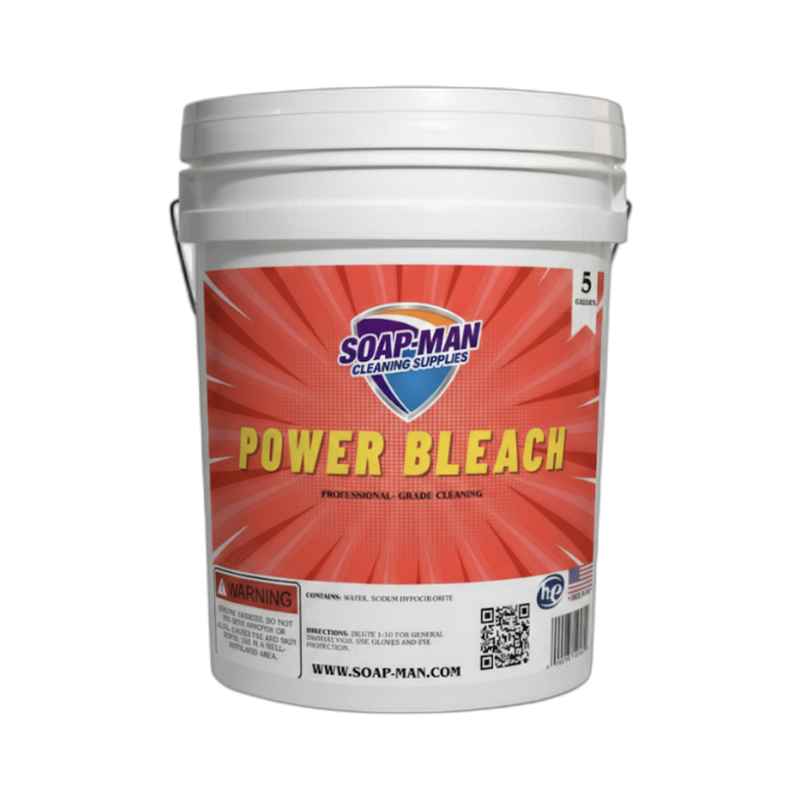
- Bleach cleaner — Power Bleach for rubber soles and tough stains on non-fabric surfaces (diluted, never full strength on fabric).
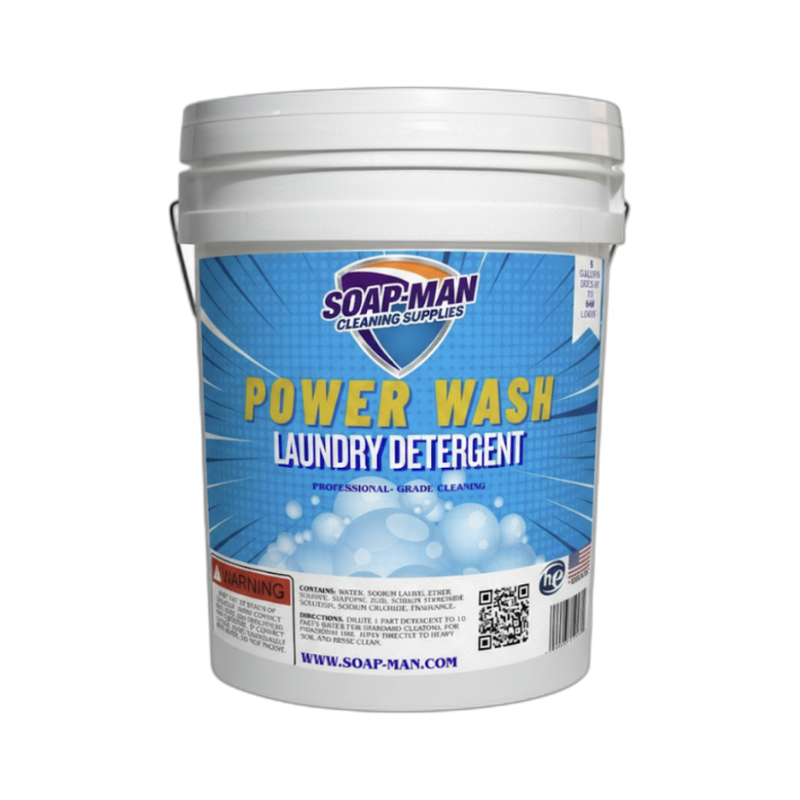
- Laundry detergent — Power Wash Laundry Detergent for machine-washable canvas shoes.
- Old toothbrush — for scrubbing.
- White cloths or paper towels
- Magic Eraser (melamine sponge) — for rubber sole edges and midsoles.
- Bowl for mixing
Step-by-Step: How to Clean White Shoes
Step 1: Remove Laces and Loose Dirt
Take the laces out — they'll be cleaned separately. Knock the shoes together over a trash can to dislodge loose dirt, dried mud, and gravel. Use a dry brush or old toothbrush to sweep off surface dust from the uppers, tongue, and sole edges. If there's dried mud, let it dry completely first (wet mud smears), then brush it off. This prep step prevents you from grinding surface dirt deeper into the material during wet cleaning. For the laces, soak them in warm water with a tablespoon of Power Wash Laundry Detergent while you work on the shoes.
Step 2: Clean Based on Material
For canvas shoes (Converse, Vans, etc.): Make a paste of two tablespoons baking soda, one tablespoon hydrogen peroxide, and one tablespoon warm water. Apply the paste to the canvas with an old toothbrush, scrubbing in circular motions. Cover the entire surface evenly — not just the stained areas, or you'll get uneven coloring. Place the shoes in direct sunlight for 3-4 hours while the paste dries. UV light activates the hydrogen peroxide for additional whitening. Brush off the dried paste and the shoes will be visibly whiter.
For leather shoes (Air Force 1s, Stan Smiths, etc.): Mix warm water with a small amount of dish soap. Dip a cloth in the solution, wring it out so it's damp (not dripping), and wipe the leather in gentle circular motions. For stubborn scuffs, apply a dab of non-gel white toothpaste directly to the spot, scrub with a toothbrush, and wipe clean. Leather is more forgiving than canvas — most scuffs come off with moderate pressure.
For mesh shoes (running shoes, Ultraboosts, etc.): Use the same baking soda and hydrogen peroxide paste as canvas, but apply it gently with a soft brush. Mesh fibers are delicate and can pill or tear with aggressive scrubbing. After applying, let the paste sit for 30 minutes (sunlight is optional for mesh since the material is thinner and absorbs the cleaning agents faster), then rinse under cool running water.
Step 3: Attack the Soles
Rubber soles and midsoles need their own treatment. A Magic Eraser (melamine sponge) dampened with water removes scuffs and discoloration from rubber surfaces like nothing else. For deep yellowing on rubber soles, apply diluted Power Bleach with a toothbrush, let it sit for five minutes, then scrub and rinse. The midsole edges where rubber meets the upper fabric are where visible grime accumulates fastest — give them extra attention.
Step 4: Machine Wash (Canvas Only)
Canvas shoes like Converse and basic Vans are machine-washable. Place them in a pillowcase or mesh laundry bag, add a scoop of Power Wash Laundry Detergent, and run a gentle cycle with cold water. Add a few towels to the load to prevent the shoes from banging around. Never machine wash leather or shoes with significant glue construction — the heat and agitation separate soles and warp materials.
Step 5: Dry Properly
Stuff the shoes with white paper towels or clean white tissue (newspaper ink can transfer to wet white shoes) and air dry at room temperature. Never put shoes in a dryer — the heat warps soles, melts adhesive, and shrinks materials. Never dry in direct sunlight after washing (sunlight is only used during the paste treatment step because the paste blocks UV from reaching the shoe). Drying takes 12-24 hours. Replace the paper towels halfway through if they become saturated.
Pro Tips
- Wrap cleaned shoes in white paper towels while drying. Wrap the uppers in damp white paper towels, secure with rubber bands, and air dry. As the towels dry, they pull remaining discoloration out of the fabric through wicking. This trick works especially well on canvas.
- Use a clear protector spray after cleaning. A fabric or leather protector spray creates an invisible barrier against future stains. Apply to clean, dry shoes and reapply monthly during regular wear.
- Clean white shoes every two weeks during heavy wear. White shoes stain progressively — the longer you wait, the harder it is to restore them. Quick maintenance cleaning every couple of weeks keeps them white with minimal effort.
Common Mistakes
- Using undiluted bleach on white shoes. Full-strength bleach turns white shoes yellow — especially soles and rubber components. If you must use bleach on fabric, dilute it heavily (1:5 bleach to water) and rinse immediately. The baking soda paste method is safer and more effective.
- Drying with newspaper inside. Newspaper ink transfers to wet white material. Use white paper towels or clean white tissue exclusively inside white shoes.
- Cleaning only the stained areas. Spot-cleaning white shoes creates obvious clean patches against the dirtier surrounding area. Always clean the entire shoe for an even result.
FAQ
How do I keep white shoes from yellowing in storage?
Store them in a cool, dark place away from sunlight. UV exposure causes oxidation that yellows rubber soles and fabric over time. Wrap them in acid-free tissue paper (white) and keep them in their original box or a breathable shoe bag. Silica gel packets in the box help prevent moisture-related yellowing.
Can I use a washing machine for all white shoes?
Only canvas and certain synthetic shoes. Leather, suede, shoes with gel or air cushioning, and anything with significant glue construction should never go in a washing machine. When in doubt, hand wash. The pillowcase method in this guide adds protection for machine-safe shoes.
Does toothpaste really work on white shoes?
White, non-gel toothpaste works well on leather and rubber scuffs. It contains mild abrasives that buff out surface marks. However, it doesn't work on fabric stains (canvas, mesh) because it doesn't penetrate fibers. Use the baking soda paste for fabric materials.
How do I remove grass stains from white shoes?
Grass stains are chlorophyll-based and respond well to rubbing alcohol. Apply rubbing alcohol to a white cloth and blot the stain — don't rub. Follow with the baking soda paste treatment for remaining discoloration. On leather, a dab of white toothpaste on the stain, scrubbed with a toothbrush, usually does the job.
Why did my white shoes turn yellow after washing?
Three common causes: too much detergent left residue that yellowed when exposed to sun or heat during drying; bleach was used and reacted with the adhesive or rubber; or the shoes were dried in direct sunlight or a dryer. To fix it, rewash with less detergent, rinse thoroughly, and air dry indoors away from sunlight. The baking soda paste with UV treatment works because the paste acts as a barrier between UV and the shoe material.