
Why Your Backpack Needs a Deep Clean
Studies have found that the average backpack carries more bacteria per square inch than a toilet seat. Every surface your backpack touches — gym floors, bus seats, cafeteria tables, the ground — deposits bacteria, dirt, and germs onto the exterior. Inside, crumb buildup from snacks, leaked drink residue, forgotten food, and accumulated lint create a breeding ground for mold and mildew. The shoulder straps absorb body sweat every day. The bottom panel grinds against dirt with every set-down. Most backpacks go their entire lifespan without a single wash. A quarterly deep clean extends the life of the fabric, zippers, and coatings while eliminating the odor and bacteria buildup.
What You'll Need
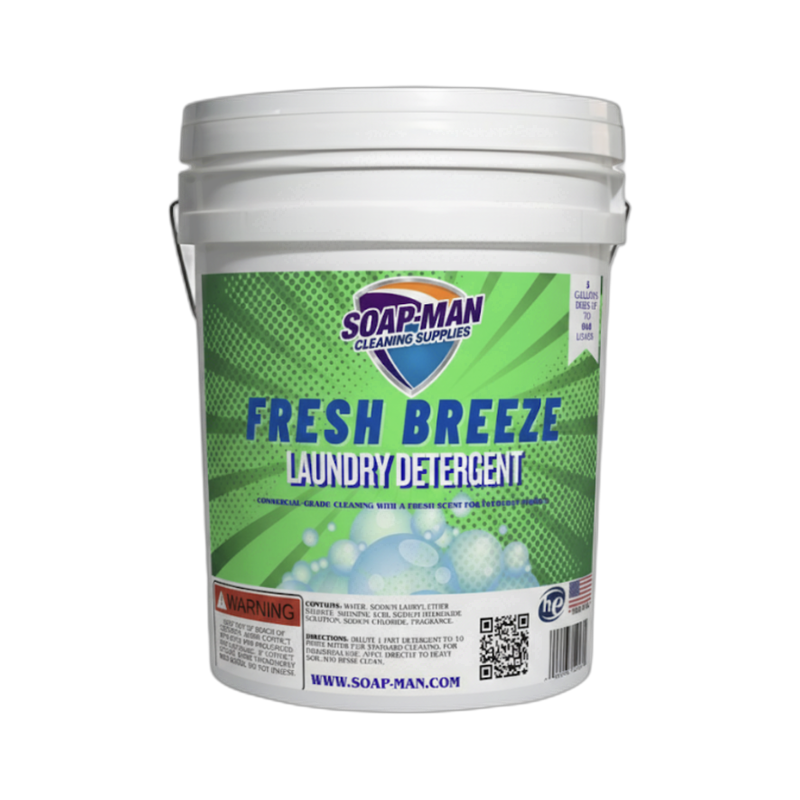
- Mild laundry detergent — Fresh Breeze Laundry Detergent is gentle enough for coated fabrics.
- Soft brush or old toothbrush — for seams and zippers.
- Large basin or bathtub
- Clean sponge
- Baking soda — for odor absorption.
- Clean towels
Step-by-Step: How to Wash a Backpack
Step 1: Empty and Prep
Remove absolutely everything from the backpack — open every pocket, unzip every compartment, and shake the bag upside down over a trash bin. You will be surprised what falls out: crumbs, sand, pen caps, hair ties, old receipts. Use a vacuum hose attachment or a lint roller on the interior lining to pick up embedded debris. Unclip any removable frames, hip belts, or sternum straps if possible — these are easier to clean separately and dry faster on their own. Check the care label, usually found on a tag inside the main compartment. If it says dry-clean only, stop here and follow that instruction. If it says spot-clean only, skip machine washing and stick to the hand-wash method below.
Step 2: Pre-Treat Stains
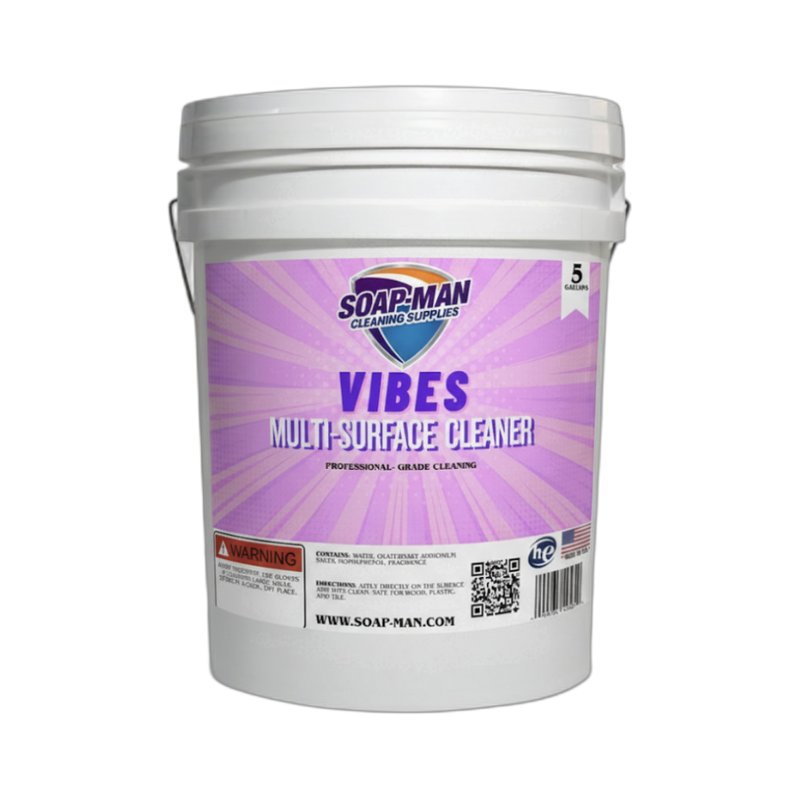
Identify visible stains on the exterior and interior. Apply a small amount of Vibes Multi-Surface Cleaner directly to each stain and let it sit for 10 minutes. Use a soft brush or toothbrush to gently work the cleaner into the stain in circular motions. Common culprits include ink (from pens stored without caps), food grease (from packed lunches), and grass stains (from setting the pack on the ground). For mildew spots — they look like small dark speckles and smell musty — apply a paste of baking soda and water, let sit for 30 minutes, then brush away.
Step 3: Hand-Wash or Machine-Wash
Hand-washing is safest for all backpacks. Fill a bathtub or large basin with lukewarm water and add a tablespoon of Fresh Breeze Laundry Detergent. Submerge the backpack and work the soapy water through the fabric with your hands, squeezing and massaging each panel. Scrub the straps, bottom panel, and high-contact areas with a sponge. For machine-washing (if the label allows): place the backpack inside a large pillowcase or mesh laundry bag with all zippers open. Use cold water, gentle cycle, and a small amount of detergent. Skip the spin cycle or set it to low — aggressive spinning stresses the seams and can tear attachment points. Never use fabric softener — it coats waterproof treatments and reduces the fabric's water resistance.
Step 4: Rinse, Drain, and Air-Dry
Rinse the backpack thoroughly under cool running water or drain and refill the basin with clean water, submerging and squeezing the pack until no soap residue remains. Soapy residue left in the fabric attracts dirt faster and can break down waterproof coatings over time. Gently press (do not wring) excess water out of the backpack. Hang it upside down by the top handle or a carabiner in a well-ventilated area. Open all zippers and pockets wide so air circulates inside. Stuff the main compartment loosely with dry towels to absorb interior moisture and maintain shape. Air-drying takes 24 to 48 hours depending on fabric thickness. Never machine-dry a backpack — the heat melts adhesives, warps plastic hardware, and degrades waterproof coatings.
Pro Tips
- Deodorize between washes with baking soda. Sprinkle a generous amount of baking soda inside the main compartment, zip it closed, and leave overnight. Shake out the powder in the morning. This absorbs trapped odors without any liquid that needs drying.
- Lubricate zippers after washing. Clean zippers drag and eventually break. Run a graphite pencil along the zipper teeth after the backpack dries — the graphite acts as a dry lubricant that keeps zippers sliding smoothly without attracting dirt like oil-based lubricants would.
- Re-apply DWR coating after deep cleaning. If your backpack has a durable water repellent (DWR) coating and water no longer beads on the surface after washing, the coating has degraded. Spray-on DWR products restore water resistance and are especially important for hiking and travel packs exposed to rain.
FAQ
Can I put my backpack in the washing machine?
Most nylon and polyester backpacks can handle a gentle machine cycle if the care label does not say otherwise. Always use cold water, a mesh bag or pillowcase, and skip the dryer. Leather-trimmed, vinyl-coated, or heavily structured backpacks with internal frames should always be hand-washed to avoid damage to rigid components.
How do I remove pen ink from a backpack?
Ballpoint ink responds to rubbing alcohol. Apply rubbing alcohol to a cotton ball and blot — do not rub — the ink stain. The alcohol dissolves the ink's oil-based binder. Blot with a clean section of the cotton ball as the ink transfers. Repeat until the stain is gone. Wash the area with soapy water afterward to remove the alcohol residue.
My backpack smells like mildew. What do I do?
Mildew smell means fungal growth from moisture trapped inside the pack. Wash the backpack using the method above, adding half a cup of white vinegar to the wash water. The acetic acid kills mildew spores. After washing, ensure the pack dries completely — air-dry for a full 48 hours with all compartments open. If the smell persists after a thorough wash, leave the pack in direct sunlight for several hours. UV light kills remaining mold spores.
How often should I wash my backpack?
A daily-use school or work backpack should be deep-cleaned once every one to three months. Spot-clean visible stains as they happen. Hiking packs should be cleaned after any trip involving sweat, rain, or dirt exposure. Athletic bags used for gym or sports should be emptied, aired out after every use, and deep-cleaned biweekly because the sweat and moisture buildup accelerates bacterial growth.