
Why Pet Urine Is Different
Most stains are surface-level. You blot them up, apply a cleaner, and they're gone. Pet urine is a different problem entirely. Urine contains urea, uric acid, creatinine, and salts. As it dries, these compounds crystallize and bond to carpet fibers at a chemical level. The visible stain might disappear with normal cleaning, but the crystallized residue stays behind. Every time humidity rises, those crystals reactivate, releasing that unmistakable smell and attracting the pet back to the same spot.
The solution isn't more scrubbing or stronger detergent. It's breaking the chemical bond between the uric acid crystals and the carpet fibers. That requires either an enzyme-based cleaner (which eats the proteins) or a thorough oxidizing treatment (which breaks down the crystals). Generic carpet cleaner doesn't do this. That's why so many DIY attempts leave behind "hidden" stains that come back with the next rainy day.
This guide covers both fresh accidents and old set-in stains — the ones where you can smell the damage but can't see it.
What You'll Need
- Paper towels and clean white cloths — lots of them.
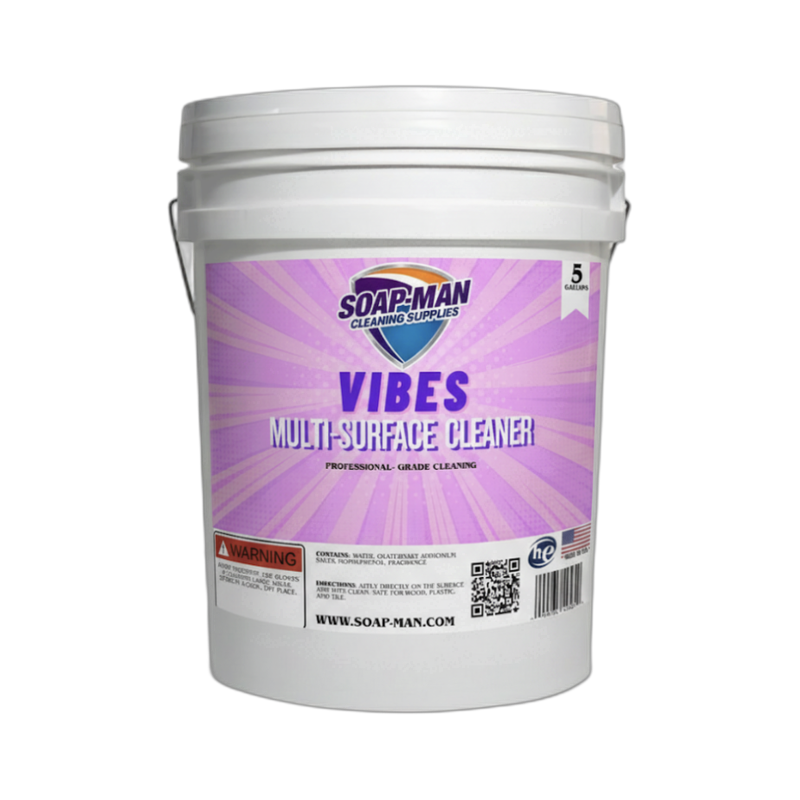
- An enzyme cleaner or heavy-duty cleaner — Vibes Multi-Surface Cleaner for general lifting, plus an enzyme formula for protein breakdown.
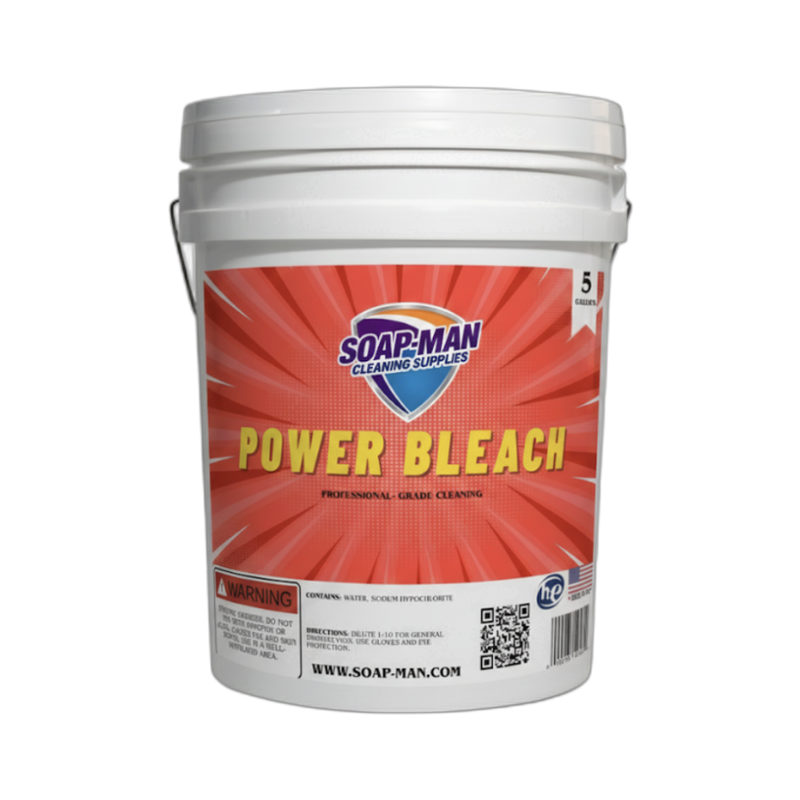
- Diluted oxidizing cleaner — Power Bleach at very dilute concentrations for stubborn old stains (test in hidden spot first).
- A heavy object — a stack of books or a brick wrapped in plastic, for weight-down blotting.
- A spray bottle — for even application.
- A stiff brush — for working solution into the fibers.
- A UV flashlight (blacklight) — for finding old, invisible accidents.
- Rubber gloves — always.
Step-by-Step: Fresh Urine (Within the First Hour)
Step 1: Blot, Don't Rub
Lay a thick stack of paper towels or a clean white cloth over the wet spot. Press down firmly with your full body weight for 30 seconds. Lift, discard, and repeat with fresh towels until the carpet feels damp rather than wet. Most people stop here too early — keep going until very little moisture transfers to a fresh towel. For large accidents, place a weight on a stack of towels and let it sit for 10 minutes to draw moisture up through the padding.
Step 2: Apply Clean Cold Water
Pour a small amount of cold water over the spot to dilute the remaining urine. Blot again with fresh towels. Never use hot water — heat sets urine proteins into the fibers permanently. Cold water helps flush urine out of the carpet before treatment.
Step 3: Apply an Enzyme or Heavy-Duty Cleaner
Spray the spot generously with an enzyme cleaner or a diluted heavy-duty cleaner like Vibes Multi-Surface Cleaner. The cleaner should soak the affected area plus a few inches around it (urine spreads under the surface). Let it dwell for the time specified on the label — usually 10-15 minutes. This dwell time is critical for enzyme activity or chemical breakdown.
Step 4: Blot Thoroughly
After the dwell time, blot with clean white towels. Continue until very little dampness transfers. For heavy accidents, weight a stack of towels on the spot for 15-20 minutes to pull moisture from the padding underneath.
Step 5: Dry Completely
Set up a fan to blow directly on the damp area. Complete drying takes 4-8 hours. Don't let pets or kids walk on the spot during drying — they'll track moisture across the whole carpet and spread any residual contamination.
Step-by-Step: Old, Dried Urine (Including Invisible Stains)
Step 1: Find All the Accidents
Turn off the lights and use a UV blacklight to scan the carpet. Dried urine fluoresces under UV — you'll see yellow-green spots even where there's no visible stain. Mark each spot with painter's tape. Most pet owners find 2-3 times more accidents than they knew about.
Step 2: Pre-Soak with Cleaner
Spray each marked spot heavily with an enzyme cleaner. You want to saturate the carpet fiber and the padding below. Let it dwell for at least 30 minutes — for old stains, longer is better. The enzymes need time to break down the crystallized uric acid.
Step 3: Agitate and Dwell Again
Work the cleaner into the carpet fibers with a stiff brush. Don't scrub hard — gentle circular motion is enough. Let it dwell another 15 minutes after agitation.
Step 4: Blot, Rinse, and Blot Again
Blot heavily with clean white towels using the weight-down method. Then rinse with cold water (a light mist) and blot again. For very old set-in stains, repeat the whole process — cleaner, dwell, agitate, dwell, blot. Some accidents need 2-3 treatments spaced a day apart.
Step 5: For Stubborn Stains, Try Diluted Oxidizer
If enzyme treatment fails, a heavily diluted oxidizing cleaner can break down crystals that enzymes can't reach. Mix Power Bleach at very low concentration (follow label carefully) and test in a hidden carpet area first. Apply sparingly, let dwell 5 minutes, blot, and rinse thoroughly. This approach risks lightening carpet color, so use only as a last resort.
Pro Tips
- Never use ammonia-based cleaners on urine. Urine contains ammonia — cleaning with an ammonia product makes your pet think this is an approved bathroom spot.
- Blacklight every 6 months. Multi-pet households have accidents you don't know about. Finding them early means easier cleanup.
- Weight is better than rubbing. Body weight pressing down on towels pulls more moisture out than any amount of scrubbing.
Common Mistakes
- Using hot water. Sets proteins into fibers permanently.
- Stopping blotting too soon. The moisture you leave becomes the smell that comes back.
- Cleaning only the visible stain. Urine spreads outward underneath — clean a circle 4-6 inches wider than the visible spot.
FAQ
Why does my carpet still smell after cleaning?
Because uric acid crystals remain in the padding below the carpet fibers. Surface cleaning doesn't reach them. You need an enzyme cleaner applied generously enough to soak through to the padding, followed by thorough blotting with weight applied for extended periods.
Can vinegar clean pet urine?
Vinegar neutralizes the initial ammonia smell briefly, but it doesn't break down the uric acid crystals. The smell returns within days. Use an enzyme cleaner or a heavy-duty formula instead.
Is it too late if I only discovered the stain weeks later?
No. Dried urine can still be removed with the right process — it just takes more dwell time, more cleaner, and possibly multiple treatments. Follow the "Old, Dried Urine" protocol above.
Will my dog keep peeing in the same spot?
Yes, if residual urine compounds remain. Dogs have olfactory senses roughly 40 times more sensitive than humans. They can smell trace amounts we can't detect, and they interpret that smell as an approved toilet area. Complete removal of the urine compounds is the only way to break the cycle.
Does the carpet need to be replaced if the padding is saturated?
Sometimes. If urine has soaked repeatedly into the same area or the padding has been wet for weeks, the bacteria and residue may be beyond DIY rescue. A professional with extraction equipment can often save it. If not, the affected section of carpet and pad will need replacement to eliminate the smell permanently.