
Why Silk Needs Careful Handling
Silk is a natural protein fiber produced by silkworms. Its smooth, lustrous surface comes from the triangular cross-section of each fiber, which refracts light like a prism. This same structure makes silk extremely sensitive to heat, alkaline chemicals, and mechanical agitation. Hot water denatures the protein structure, causing the fiber to lose its sheen and become dull and rough. Alkaline detergents (most standard laundry detergents are alkaline) damage the fiber surface and strip the natural sericin coating that gives silk its smooth drape. Rough handling, wringing, and tumbling cause the delicate fibers to break and pill. Despite these sensitivities, silk is actually quite strong when handled correctly — it simply requires the right approach.
What You'll Need
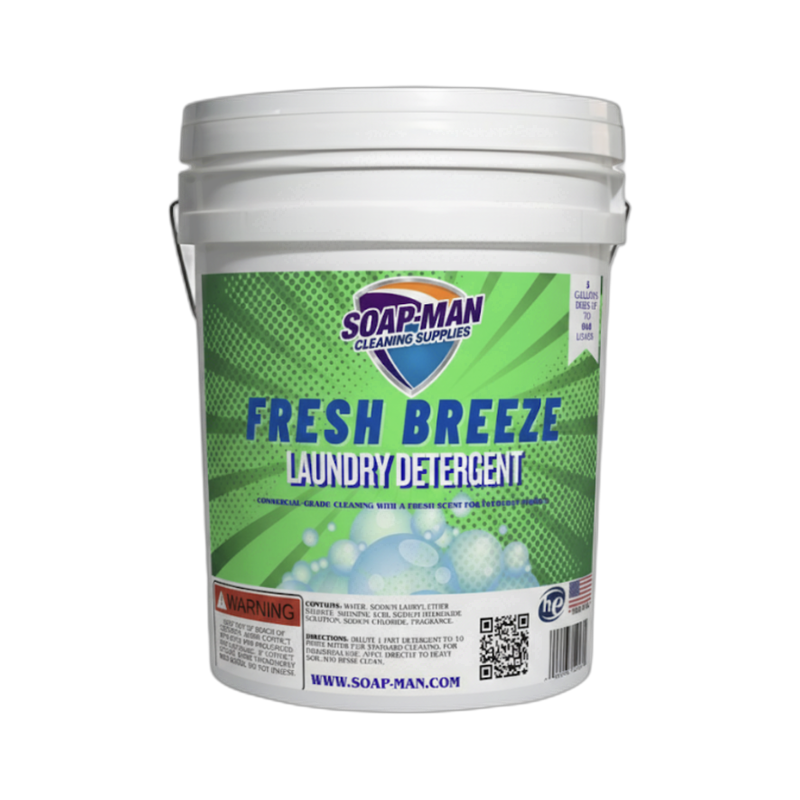
- pH-neutral or mild detergent — Fresh Breeze Laundry Detergent at quarter dose is gentle enough for silk.
- Cool or lukewarm water — never hot.
- Clean basin or sink
- White vinegar — for the rinse step.
- Clean white towel — for roll-drying.
- Padded hanger — for air-drying.
Step-by-Step: How to Wash a Silk Shirt
Step 1: Test for Colorfastness
Before washing the entire garment, test a hidden area for colorfastness. Dampen a white cloth with cool water and a drop of detergent. Press it against an inside seam for 30 seconds. If any color transfers to the white cloth, the dye is not stable and the garment should be dry-cleaned instead of washed at home. Silk dyes can bleed dramatically when wet, especially reds, purples, and dark blues. Multi-colored silk with contrasting patterns is higher risk because different dyes may bleed into each other. Solid colors and whites are generally safe. This 30-second test prevents ruining a $200 silk shirt.
Step 2: Hand-Wash in Cool Water
Fill a clean basin with cool to lukewarm water — around 30 degrees Celsius or 86 degrees Fahrenheit maximum. Add a very small amount of detergent — a quarter of what you would use for a normal garment. Submerge the silk shirt and swish it gently through the water with your open palms. Do not scrub, twist, wring, or bunch the fabric. The goal is to let the soapy water flow through the fibers, carrying dirt and body oils with it. For stains, lay the fabric flat in the water and gently press the stained area between your fingers repeatedly — compression, not friction. Keep the total wash time under five minutes. Prolonged soaking weakens silk fibers and can cause color bleeding even in colorfast garments.
Step 3: Rinse and Restore
Drain the soapy water and refill the basin with clean cool water. Submerge the shirt and swish gently to rinse. Repeat with fresh water until no soap remains — usually two to three rinses. For the final rinse, add one tablespoon of white vinegar per gallon of water. The mild acidity restores silk's natural pH (silk is slightly acidic), counteracts any alkaline detergent residue, and helps maintain the characteristic luster and drape. The vinegar smell dissipates completely as the fabric dries. This step is what separates good silk care from great silk care — the difference in how the fabric feels and hangs is noticeable.
Step 4: Roll-Dry and Air-Dry
Lift the silk shirt from the rinse water by supporting it from underneath — do not lift by the shoulders or collar, which causes the wet, heavy fabric to stretch. Lay the shirt flat on a clean white towel (colored towels can transfer dye to wet silk). Roll the towel with the shirt inside, pressing gently to absorb water. Do not wring. Unroll and transfer the shirt to a padded hanger. Shape the collar and smooth the front placket and cuffs with your hands while damp — silk holds the shape it dries in. Hang in a well-ventilated area away from direct sunlight. Sunlight fades and weakens silk fibers. The shirt should be touch-dry in two to four hours depending on humidity.
Pro Tips
- Iron silk while slightly damp. If the shirt needs pressing, iron it while it still has slight moisture from the wash — silk irons beautifully when damp. Use the lowest heat setting (most irons have a dedicated silk setting). Always iron on the inside of the garment, not the outside. High heat or ironing the face side creates permanent shine marks on silk.
- Never use fabric softener on silk. Silk's smooth feel comes from its natural sericin coating. Fabric softener coats the fibers with synthetic chemicals that make silk feel greasy rather than smooth, dull the natural sheen, and attract more dirt. Silk does not need softener — it is already the softest natural fabric.
- Store on padded hangers, not wire. Wire hangers create pressure points that leave permanent indentations in silk shoulders. Padded hangers distribute the weight. For long-term storage, wrap in acid-free tissue paper rather than plastic, which traps moisture and yellows the fabric.
FAQ
Can I machine-wash silk?
Some silk garments with "machine wash" on the care label can go in the machine. Use a mesh laundry bag, the delicate or hand-wash cycle, cold water only, and minimal detergent. Skip the spin cycle entirely if possible, or set it to the lowest RPM. Never machine-dry silk. If the label does not say machine-washable, hand-wash is the only safe option.
How do I remove a stain from silk?
Address stains immediately while fresh. Blot — never rub — with a clean damp cloth to absorb as much as possible. For oil-based stains, sprinkle corn starch or talcum powder on the spot, let it sit for an hour to absorb the oil, then gently brush away. For water-based stains, blot with cool water. If the stain persists after home treatment, take the garment to a professional dry cleaner and point out the stain specifically — dry cleaning solvents handle most set-in stains on silk safely.
Why does my silk shirt feel rough after washing?
Three common causes: the water was too hot (denaturing the protein fiber), the detergent was too alkaline or too concentrated (stripping the sericin), or the fabric was wrung or scrubbed (breaking the fiber surface). The vinegar rinse can partially restore smoothness by rebalancing the pH. For silk that has already been damaged, a silk-specific conditioner applied during the rinse step can coat the fibers and improve the hand feel, though it will not fully restore the original natural sheen.
Is dry cleaning better than hand-washing for silk?
Not necessarily. Dry cleaning uses chemical solvents (perchloroethylene is the most common) that effectively remove stains but also strip some of the natural oils from silk with each cleaning. Frequent dry cleaning gradually dulls silk over time. Gentle hand-washing with a mild detergent and a vinegar rinse is actually less harsh on the fibers for routine cleaning. Reserve dry cleaning for heavily stained garments, structured silk garments with interfacing, or silk pieces with embellishments that cannot be submerged.