
What Hard Water Stains Really Are
Hard water contains dissolved minerals — primarily calcium and magnesium. When water sits on a surface and evaporates, those minerals stay behind as white, chalky, or gray deposits. Over time they build up in layers, fuse with soap scum and mildew, and become progressively harder to remove. What started as a slight haze on glass becomes a stubborn crust that looks permanent.
As cleaning professionals, we can tell you hard water stains are almost never permanent — they just need the right chemistry. Hard water deposits are alkaline, so acid-based cleaners dissolve them. The trick is using enough contact time and the right concentration, and matching the acid strength to the severity of the buildup. Light stains come off with vinegar; heavy stains need commercial descalers.
This guide covers every common hard water stain situation: glass shower doors, chrome fixtures, ceramic tile, toilet bowls, faucets, and stainless steel. The methods work even when stains have been building up for years.
What You'll Need
- White distilled vinegar — The most effective home descaling agent. Use undiluted for heavy stains; dilute for light stains.
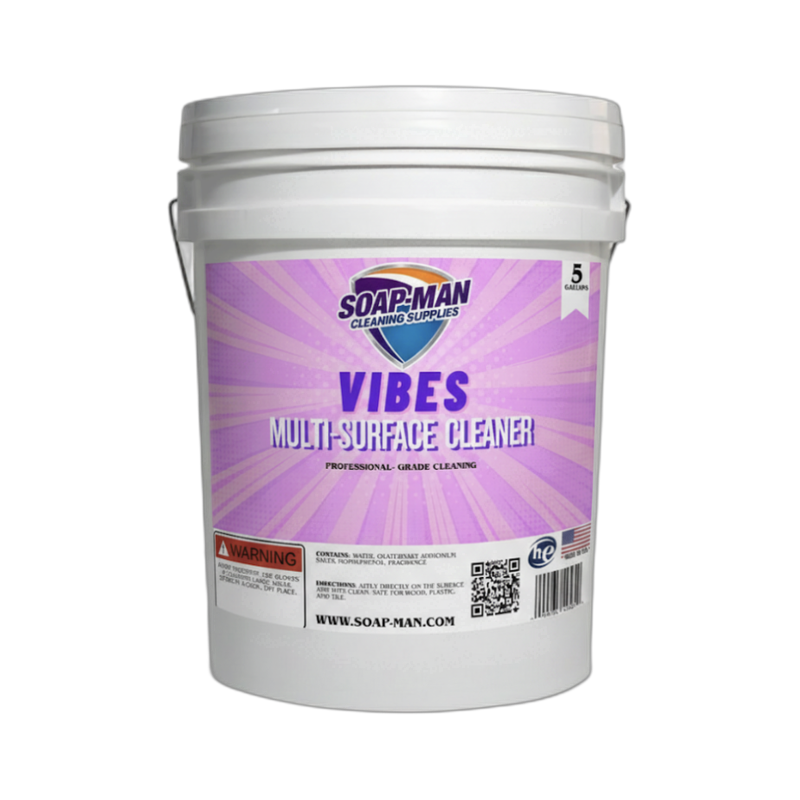
- Multi-surface cleaner — Vibes Multi-Surface Cleaner for general cleaning and follow-up.
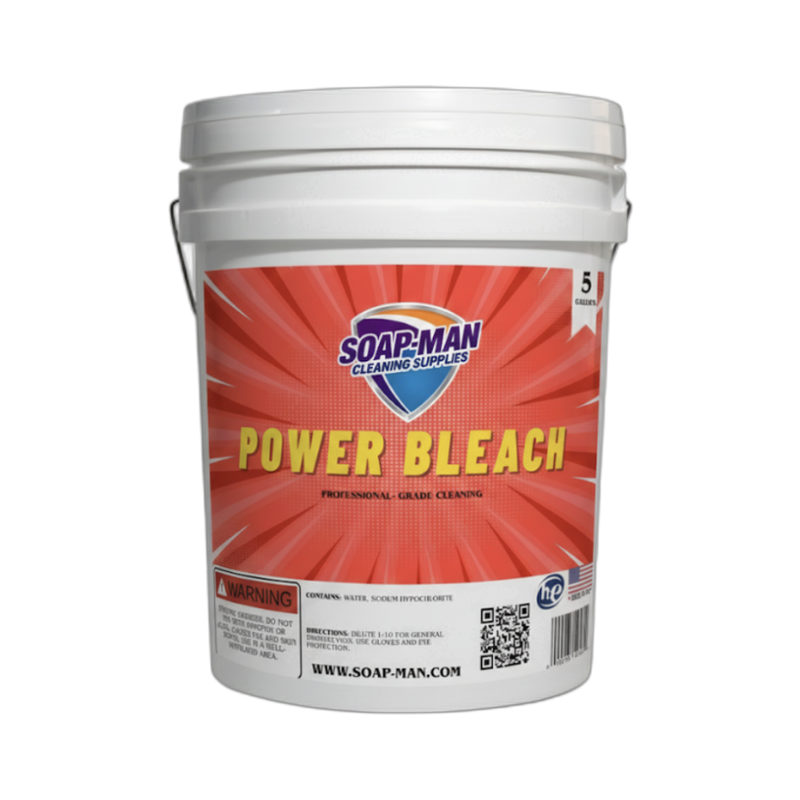
- Professional bleach — Power Bleach for mildew combined with hard water staining.
- Baking soda — Creates a mild abrasive paste for scrubbing without scratching.
- Lemon juice — Alternative mild acid, useful for lighter deposits.
- Soft microfiber cloths
- Non-scratch scrubbing pads — For applying pressure without damaging surfaces.
- Plastic scraper or razor blade — For stubborn deposits on glass only (never on chrome or painted surfaces).
- Spray bottle
- Paper towels — For vinegar-saturated compresses on vertical surfaces.
Method by Surface Type
Glass Shower Doors
Glass is the most common victim of hard water staining. Spray undiluted white vinegar generously onto the stained area. For vertical surfaces, soak paper towels in vinegar and press them flat against the glass — they create a wet compress that keeps the vinegar in contact with the stain.
Let the vinegar work for 30-60 minutes. Heavy deposits may need multiple applications. Scrub with a non-scratch pad using circular motions. For the worst deposits, follow up with a paste of baking soda and water applied directly with the pad. Rinse thoroughly and dry with a microfiber cloth. If any stain remains, repeat. For truly extreme cases, a plastic scraper or new razor blade held at a very shallow angle can scrape off remaining deposits — glass is hard enough to resist scratching if you're careful.
Chrome Fixtures
Faucets and shower fixtures develop hard water rings where water sits against the metal. Soak a cloth in vinegar and wrap it around the fixture. Secure with a rubber band if needed. Let it sit for 15-30 minutes (longer can damage some finishes). Remove and scrub with a soft cloth or old toothbrush for grooves. Rinse with water and buff dry with a microfiber cloth to prevent new water spots.
For decorative chrome with intricate grooves, use a toothbrush dipped in vinegar to work the acid into every crevice. A toothpick can clear mineral buildup from small openings on aerators and handle bases.
Ceramic Tile and Grout
Spray vinegar onto tile and let it sit for 10-15 minutes before scrubbing with a non-scratch pad. For heavy stains, apply a paste of baking soda and vinegar (warning: foams aggressively) and scrub. Rinse with water.
For hard water stains combined with mildew in grout lines, use a diluted bleach solution (1 part Power Bleach to 10 parts water). Apply with a toothbrush, let sit 5-10 minutes, then scrub and rinse. Never mix bleach and vinegar. If you used vinegar first, rinse completely before applying bleach.
Toilet Bowls
Hard water rings in toilet bowls are common and can be tough to remove. Turn off the water supply to the toilet, then flush to drain as much water from the bowl as possible. Pour 2 cups of vinegar into the bowl and let it sit for several hours (or overnight). The acid works on the stains without being diluted.
Scrub with a toilet brush. For stubborn rings, apply a paste of borax and vinegar directly to the stain with a cloth, let sit 15-20 minutes, then scrub. For extreme cases where vinegar isn't enough, a pumice stone designed for toilet cleaning will physically remove the deposits without damaging porcelain. Always keep the pumice stone wet during use.
Faucet Aerators
Hard water deposits inside the aerator screen reduce water flow and change the spray pattern. Unscrew the aerator from the faucet tip (usually by hand or with pliers wrapped in cloth). Soak in vinegar for 30 minutes, then rinse and reinstall. For non-removable aerators, use the plastic bag method: fill a sandwich bag with vinegar and rubber-band it around the faucet tip so the aerator is submerged.
Stainless Steel Sinks
Stainless steel develops water spots easily. Spray with vinegar, let sit for 5 minutes, then scrub gently in the direction of the grain with a microfiber cloth. For stubborn spots, sprinkle baking soda on the wet surface and scrub. Always rinse completely and dry with a cloth — drying prevents new spots from forming.
Pro Tips
- Warm vinegar works faster. Heating vinegar (not boiling, just warm) doubles its effectiveness on mineral deposits. Microwave in a glass container for 30 seconds before using.
- Prevent new stains with a squeegee. After every shower, squeegee the glass doors and walls. This 30-second habit prevents the vast majority of hard water buildup. Same for wiping down chrome fixtures after use.
- Install a water softener if your home has hard water. Whole-home softeners eliminate the root cause and make cleaning vastly easier. They also extend the life of water heaters, dishwashers, and washing machines.
- Use a daily shower spray. A simple spray of diluted vinegar or commercial daily shower spray after each use prevents mineral and soap scum from accumulating in the first place.
Common Mistakes
Using Abrasive Scrubbers on Chrome or Glass
Steel wool, scouring pads, and abrasive powders scratch chrome permanently and can etch glass. Use non-scratch pads and softer approaches — acid does the work, not force.
Mixing Bleach and Vinegar
Combining these produces chlorine gas — genuinely dangerous. If you use vinegar on a surface and later need to use bleach, rinse the surface completely with plain water and dry it first. Better yet, do the two treatments on different days or different areas.
Not Giving Vinegar Enough Contact Time
Vinegar needs time to dissolve mineral deposits. Spraying and immediately wiping does almost nothing. Let it sit for at least 15-30 minutes before scrubbing, longer for heavy buildup.
Using Vinegar on Natural Stone
Vinegar etches marble, granite, travertine, and limestone permanently. If you have hard water deposits on natural stone, use a pH-neutral stone cleaner or consult a professional. Acid will make the damage worse.
Frequently Asked Questions
Can I remove hard water stains that have been there for years?
Usually yes, but it takes patience. Old stains may need multiple treatments with longer contact times. Use undiluted vinegar, warm it up, and repeat as needed. For extreme cases, commercial descalers like CLR work faster but require more careful handling.
Why do hard water stains come back so fast?
Because the water is still hard. Every shower or use deposits more minerals as water evaporates. Without a water softener, you'll need to clean more frequently. Daily squeegeeing of shower doors is the most effective prevention.
Does CLR work better than vinegar?
For heavy, ancient hard water deposits, yes — CLR (calcium, lime, rust remover) is a stronger acid and works faster. For lighter stains and maintenance cleaning, vinegar is cheaper, gentler, and effective. Both work; they just target different severity levels.
Will hard water stains damage my fixtures permanently?
If left long enough, yes — mineral deposits can etch glass and pit metal finishes. Catching them early (within weeks or months) almost always allows full restoration. Catching them after years may leave some permanent damage even after cleaning.
Can I use a pressure washer to remove hard water stains outside?
Pressure washing helps on some outdoor surfaces but won't dissolve mineral deposits on its own. For outdoor hard water stains on siding or concrete, combine pressure washing with a vinegar or commercial descaler pre-treatment for best results.